
Keeping Things Safe When Heating Volatile Chemicals
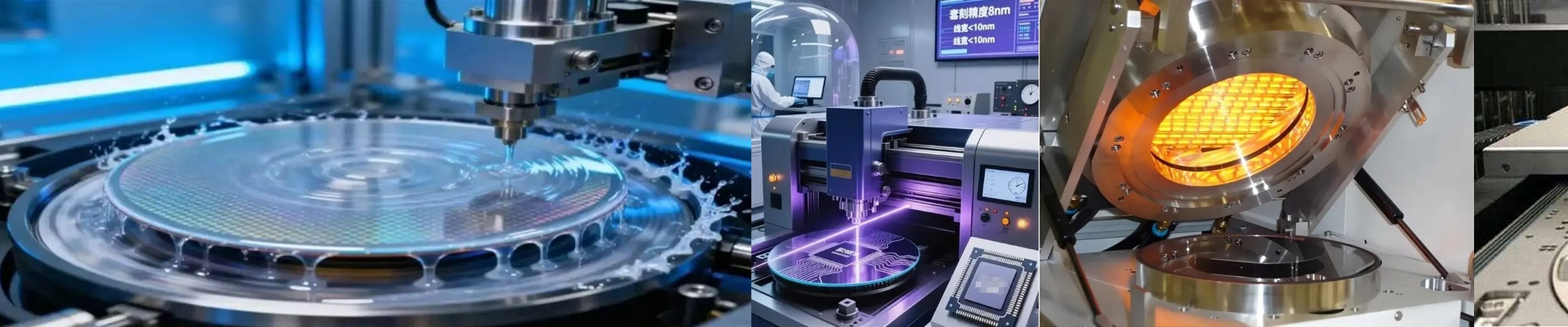
Let’s be honest: heating up semiconductor cleaning baths is a nerve-wracking job. When you’re working with solvents that love to catch fire or explode, you can’t afford a single mistake. One stray spark or a bare heating element, and you’re looking at a disaster. That’s why we stopped messing around with open-element heating. Instead, we use encapsulated infrared (IR) lamps.
The problem with “naked” lamps
Standard IR lamps do a great job of putting out heat, but they leave the electrical terminals and quartz envelopes wide open. In a chemical environment, that’s a recipe for trouble. Corrosive vapors can eat through your wiring or cause shorts across the insulators. And if a lamp happens to break? The filament hits the air and reacts instantly. In a room full of volatile chemicals, that’s just not an option.
How we lock it down
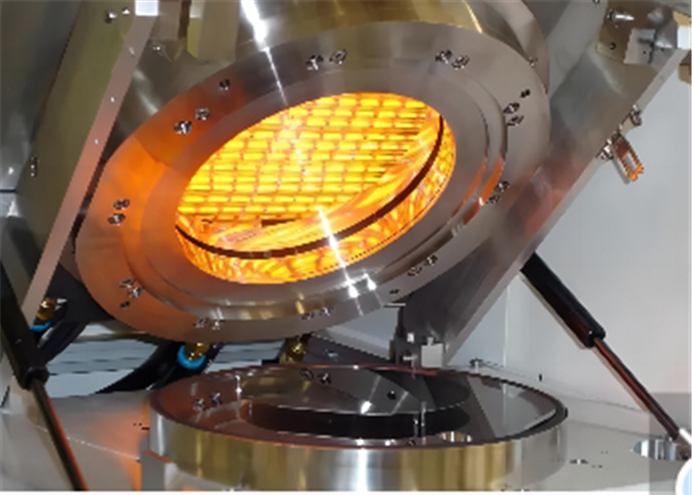
We don’t just “cover” our lamps. We wrap them in high-grade, chemically resistant quartz or specialty glass sleeves. Think of it as a fortress. We seal the ends with industrial-grade gaskets and flame-arresting caps to create a hard physical wall between the electricity and the fumes. Plus, we use reinforced cabling and sealed connectors. It stops moisture or chemical gunk from creeping in and causing a short circuit. It keeps the “hot zone” exactly where it belongs: isolated.
The trade-offs (Because nothing is magic)
Here’s the thing: adding a sleeve means there’s more material between the heat source and your chemicals. You’ll notice a slight dip in efficiency compared to a bare lamp. It’s not a dealbreaker, but you have to plan for it. When we’re figuring out your wattage, we usually bump up the power density. This makes sure you still hit your ramp-up times even with the extra thermal resistance from the sleeve. One last tip: don’t forget the airflow. Even though the seal protects the chemicals from the lamp, the lamp still gets hot. If the housing isn’t vented or cooled, that heat can eventually bake your seals. Keep it breathing, and you’re good to go.