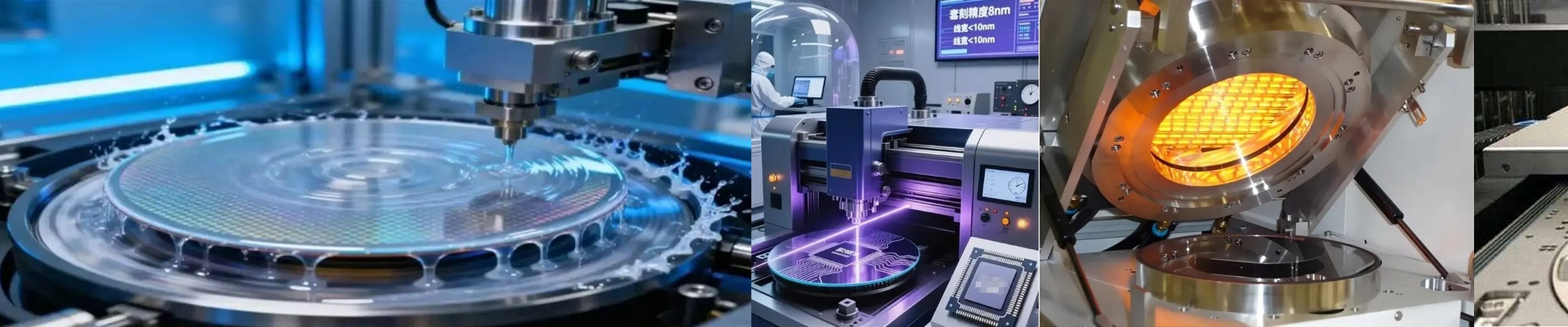
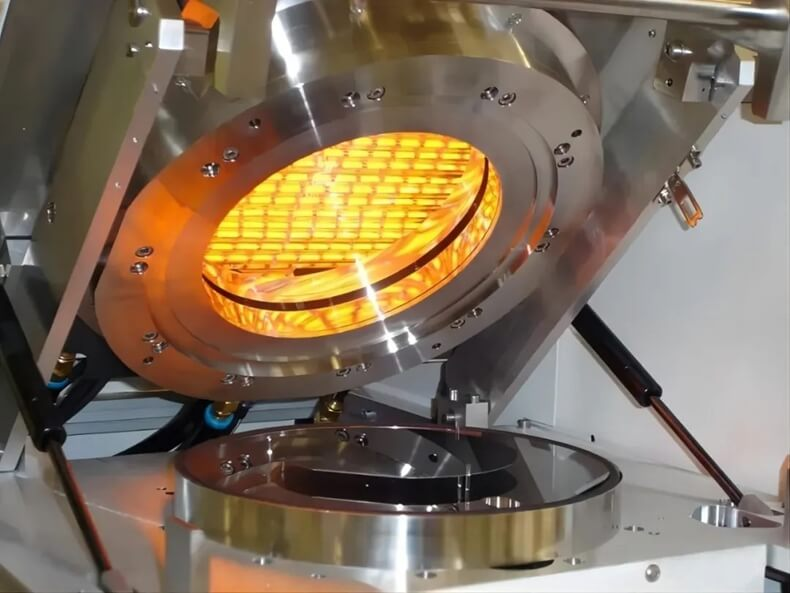
On the fab floor, photoresist bake isn’t just another step—it’s a thermal handshake. Push even 2°C off target during soft bake or hard bake and you’re playing dice with critical dimension control and yield. We built our Quartz boat heating lamps to hold that line, cycle after cycle. What matters under the hood The lamp body is fused quartz, plain and simple. High purity, low outgassing—exactly what you need when you’re hammering the boat with rapid thermal cycles. Short-wave infrared elements give you fast response and localized heating, so the quartz boat hits setpoint without overshooting the wafer stack. Across the boat, temperature uniformity is held to ±0.1°C, and run-to-run repeatability stays tight. In photoresist processing, that kind of stability keeps viscosity and solvent removal in spec for both soft bake and hard bake. And for cleanroom Class 1–100, the sealed, particle-controlled build keeps emissions low and makes cleanup straightforward. Why it plays in production You run lithography with a tight thermal budget and absolutely zero appetite for surprise downtime. These lamps stabilize the bake profile, cut down on rework, and keep particle count from creeping up over repeated bakes. The fast ramp-up shaves cycle time, while rock-steady setpoints improve line-width uniformity and reduce scrap. Heat is delivered on demand, so standby losses are minimal and energy use stays sensible. On the line, you get fewer excursions, predictable bake performance, and photoresist behavior that stays consistent lot to lot. What to keep in mind Installation means matching the lamp footprint and terminals to the boat heater slot in your tool, and keeping electrical clearance so you can service it safely. The lamp performs best when the quartz boat is matched to its thermal mass—mismatched boats will drift uniformity. After a tool changeover, give it a short warm-up to re-establish thermal equilibrium. That’s what keeps photoresist bake repeatability where it needs to be.