Keeping Things Cool (And Safe) When Heating Wafers
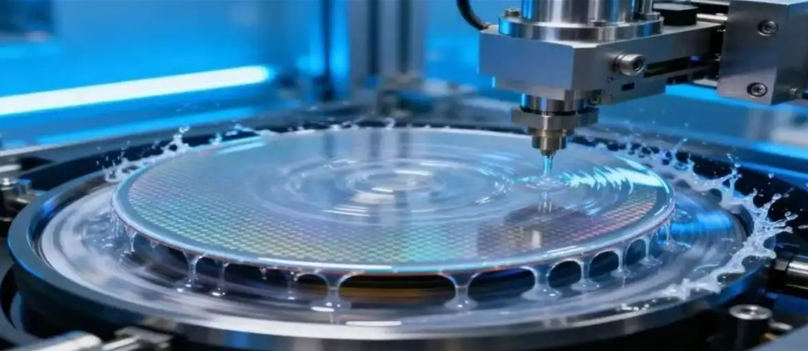
When you’re heating wafers in a chemical cleaning zone, you’re basically walking a tightrope. You need enough heat to get the job done, but if you push too hard, you’re flirting with an ignition risk. Using a basic infrared lamp around flammable solvents isn’t just risky—it’s a liability. We handle this by focusing on two things: specialized encapsulation and some very careful math regarding safety distances. The goal is simple: make sure the lamp surface never hits the temperature that triggers those vapors to ignite.
The Shield: Encapsulation
We don’t just toss a quartz tube in there and hope for the best. Our lamps are wrapped in a hermetic seal and a protective outer housing. Think of it as a bodyguard. It keeps those nasty, corrosive fumes away from the electrical terminals. And if a lamp happens to break? The encapsulation stops the internal halogen gas from reacting with whatever chemicals are floating around. We also use a specific coating on the high-grade quartz. It shifts the emission spectrum so the heat hits the wafer where it belongs, rather than baking your machine’s chassis.
The Math: Safety Distances
Picking a safety distance isn’t a guessing game. It comes down to the lamp’s wattage and the flash point of your chemicals. You have to set the distance so the outer sleeve stays well below the critical temperature of your cleaning agents. We usually suggest a minimum clearance that lets air actually move. Here’s the trap: it’s tempting to crowd the lamp closer to the wafer to speed up your ramp-up times. Don’t do it. You’ll likely overheat the housing. If you go that route, you’ll need much bigger cooling fans to pull the heat away from the back of the lamp.
The Trade-off
High-wattage shortwave lamps are fast. Really fast. But they create intense hotspots. When you’re working in an explosive zone, raw power can be scary. To keep things safe, we often trade a bit of that speed for a larger footprint or a modified reflector. It spreads the thermal load out. Sure, your cycle might be a tiny bit slower, but it’s a lot better than blowing up your cleanroom.