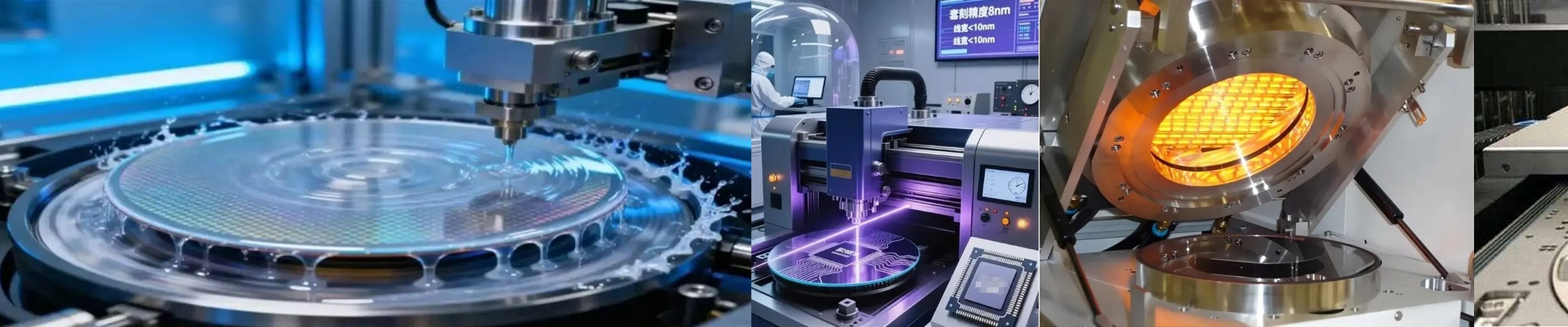
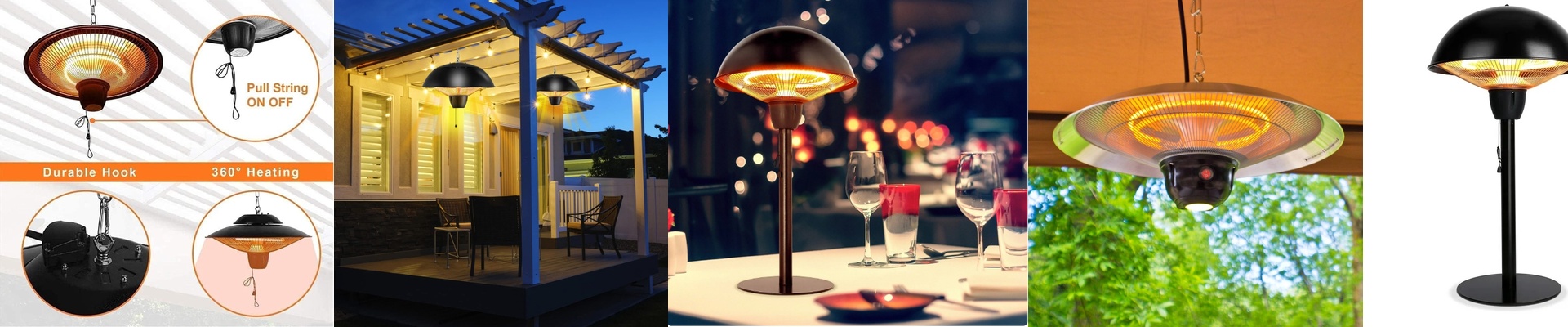
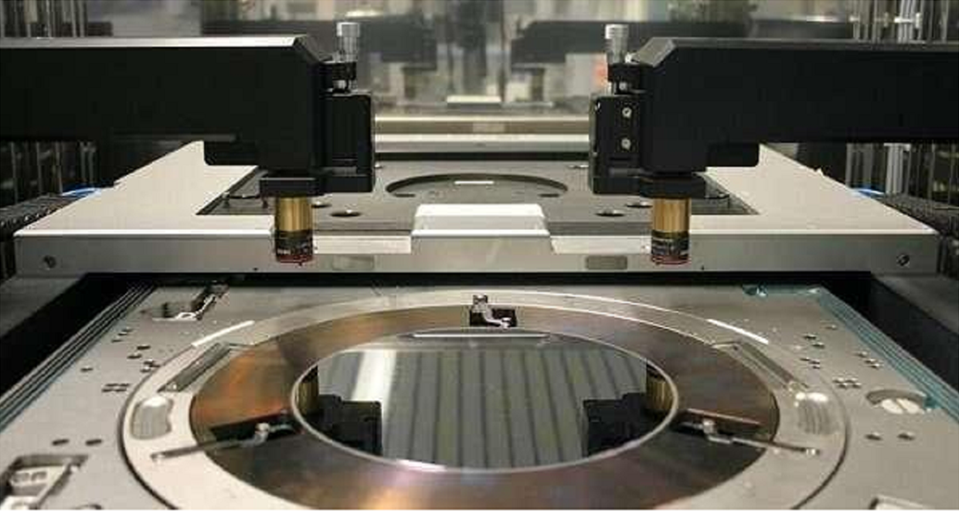
On the fab floor, you know how quickly temperature drift on the photoresist trolley turns into linewidth variation. One inconsistent soft bake, and you can scrap a whole batch. We built the cleanroom trolley heater to take that variability out of the equation. It holds the entire batch at a stable setpoint, so your photoresist sees the same thermal budget, run after run. What matters under the hood We use short-wave infrared elements for fast, directional heating with minimal air movement. Thermal uniformity across the wafer stage stays within ±0.1°C, and repeatability holds at ±0.05°C from bake to bake. Ramp control is capped at 2°C/s with tight overshoot management, so your soft bake and hard bake profiles execute exactly as written. The heater body is built for Class 1–100 cleanrooms: low-outgassing materials, clean welds, and a surface finish that doesn’t shed particles. It runs without adding particles, keeping your particle count in spec. Here’s why this matters in lithography: photoresist baking sets the foundation for CD control and defect performance. This trolley heater keeps bake temperature stable, no matter ambient swings, line start-ups, or batch size changes. The payoff is fewer reworks, tighter critical dimension distribution, and yield you can plan around. Energy draw is handled through efficient elements and smart duty cycling, so you can run longer cycles without blowing the utility budget. Reliability is engineered for 24/7 operation, with components chosen for long life and stable output. That means less unplanned downtime and fewer spares tied up. A few practical notes The heater integrates quickly, but it needs a dedicated power circuit. Thermally isolate it from the cart frame to avoid local hot spots. After power-on, give it a short warm-up and stabilization window; only start bakes once the integrated sensor confirms the setpoint. In high-humidity environments, you may need extra moisture control to keep the interior dry and protect long-term sensor accuracy.