Why we’re ditching the ovens for IR curing
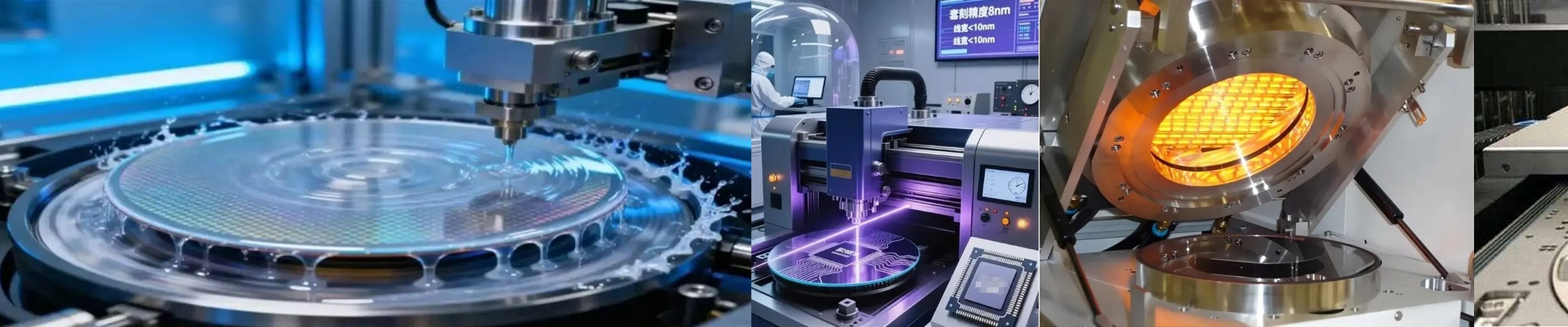
Let’s talk about smart sensor packaging. For a long time, we’ve been stuck with these massive convection ovens to dry things out. But the world is moving toward lead-free, low-emission gear, and those old ovens just don’t cut it anymore. That’s why we’ve switched to infrared (IR) curing. Here’s the thing: convection ovens are basically giant heaters that warm up the air, the walls, and everything in between. It’s a lot of wasted energy. IR is different. It uses electromagnetic radiation to hit the curing agent or adhesive directly. Because the energy goes straight to the material, we can stop relying on those solvent-heavy carriers that pump out toxic fumes. It makes hitting those eco-friendly global standards a whole lot easier. It’s all about the wavelength. We tune the IR wavelength to match the packaging polymer. The result? The surface cures in seconds. Not hours. Seconds. This changes everything for the floor layout. You get a smaller machine, lower power bills, and—most importantly—you aren’t baking the delicate silicon die inside the sensor. The heat stays exactly where it needs to be. But it’s not just “plug and play.” There’s a bit of a balancing act involved. High-intensity IR lamps put out a ton of heat. If your conveyor belt moves too slow, you’ll scorch the substrate. Too fast, and the edges won’t cure properly. You also have to make sure your cooling system can handle the heat soak around the lamp housing, otherwise, your electronics start to drift. The real win, though, is getting rid of those annoying “cold spots” you find in big ovens. With focused IR arrays, that problem just vanishes. Plus, these systems ramp up and cool down almost instantly. You don’t have to waste an hour pre-heating a giant metal box before the first batch even hits the line. It’s just faster, cleaner, and a lot more sensible.