Stop Your Semiconductor Tools from Overheating
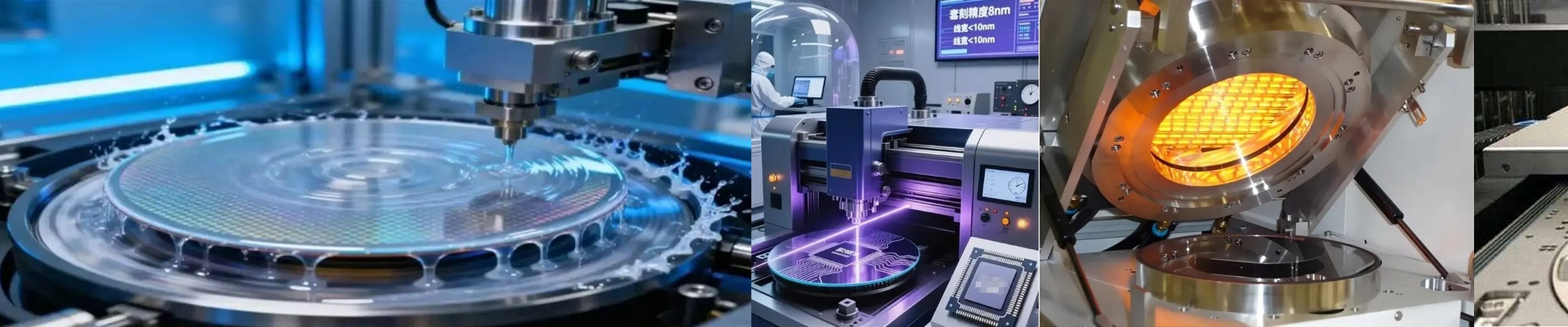
If you’ve ever crammed high-wattage heaters into a tight cabinet, you know the struggle. It’s a constant fight against heat soak. Standard infrared lamps are basically lightbulbs on steroids—they throw energy in every single direction. Half of that heat hits your workpiece, sure. But the other half? That just bakes the inside of your machine. You end up with scorched panels and a chassis that’s way too hot for any operator to touch safely. It’s a mess. Focusing the heat We handle this by getting directional. Instead of just using a bare quartz tube and hoping for the best, we use specialized reflectors and Digital controllers to tighten the beam. Think of it like switching from a floodlight to a flashlight. By pointing the energy exactly where it needs to go, your chassis stops acting like a giant sponge for heat. The workpiece gets the energy it needs, and the inner walls actually stay cool. Keeping it steady Then there’s the temperature swing. To stop the heat from overshooting, we use a digital controller to manage the duty cycle. We rely on PID loops to keep things steady within ±1°C. When you’re working with sensitive wafers or adhesives, that tiny margin is everything. And here’s a pro tip: if you run a lamp at 100% all the time, you’re just asking for the filament to burn out. Our controllers pulse the power instead. It saves the lamp and keeps the air inside the cabinet from becoming an oven. The reality check Now, directional heating isn’t some magic wand. There are trade-offs. Because you’re focusing the beam, the heat density at that one spot is intense. If your workpiece is even slightly off-center, you’ll get a hot spot that can warp your material. You have to be dead-on with your jigs and fixtures. No shortcuts here. One last thing: don’t cheap out on the wiring. The reflected IR will eat through basic insulation over time. Use PTFE-coated, high-temp shielded cabling. Trust me, it’s much better than dealing with a short circuit in the middle of a long production run.