Stop Your Biosensor Gear From Overheating
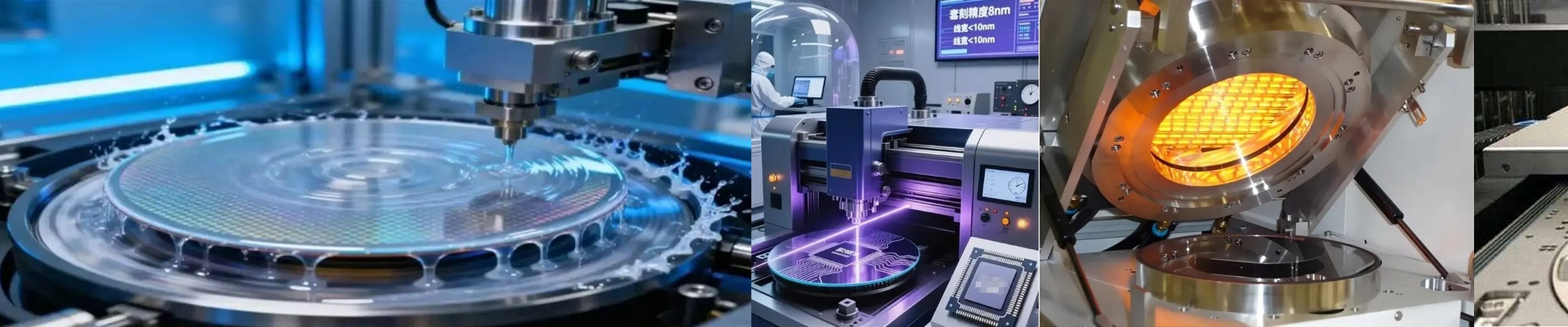
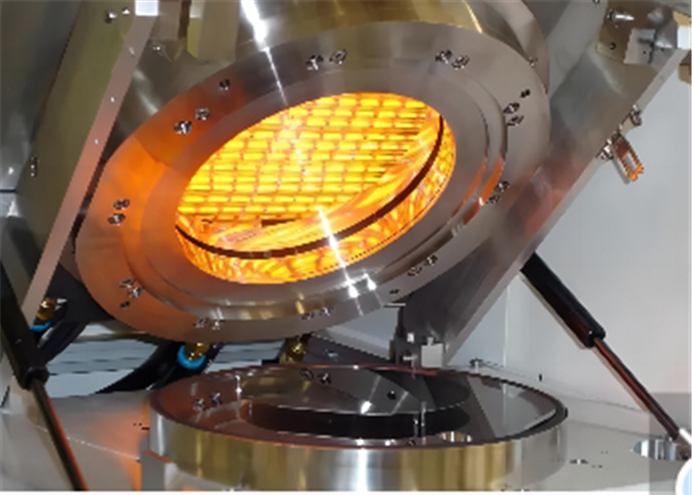
Precision heating in biosensor fabrication is a bit of a headache. If you’re using standard IR lamps, you’ve probably noticed they just throw heat everywhere—360 degrees of radiation. The problem is, while you’re trying to heat the wafer, you’re also baking the inside of your equipment. Once those cabinet walls get too hot, you’re looking at fried electronics or, worse, a technician getting burned. It’s a mess. The fix is all about direction. Instead of relying on a bare quartz tube that leaks heat in every direction, we use reflectors and selective emitters. Think of it like switching from a bare lightbulb to a flashlight. We force the infrared energy exactly where it needs to go. The result? Your equipment chassis stops acting like a giant heat sink. It makes a huge difference in how the machine actually runs. You can hit your temperature ramps quickly without turning the entire chamber into an oven. Plus, your cooling fans can finally take a break instead of screaming at 100% just to keep the outer shell from being a safety hazard. But here’s the catch. Directional heating isn’t a magic fix. Because you’re focusing the beam, the heat density at the focal point is much higher. If your lamp is off by even a couple of millimeters, you’ll end up with hot spots on your substrate. You can’t be sloppy with the hardware here. Your mounting brackets need to be rock-solid—zero wiggle room. I’d also suggest pairing this with a PID controller and a fast-response thermocouple. It keeps you from overshooting the temperature during that first heat-up. And if you’re retrofitting this into an old line,**double-check your reflector alignment first.**If that reflector is crooked, you’re just shooting heat straight into the wall, which pretty much defeats the whole point.