Why Bathroom Heaters Usually Die (And How We Stop It)
Let’s be honest: bathrooms are a nightmare for electronics. You’ve got thick steam, constant humidity, and those wild temperature swings when someone hops in a cold shower. If a heating lamp isn’t built for that kind of chaos, it’s going to short out or just burn out in a few weeks. That’s why we don’t just “hope” our lamps work. We put every single batch through a brutal damp-heat aging test.
The battle between quartz and steam
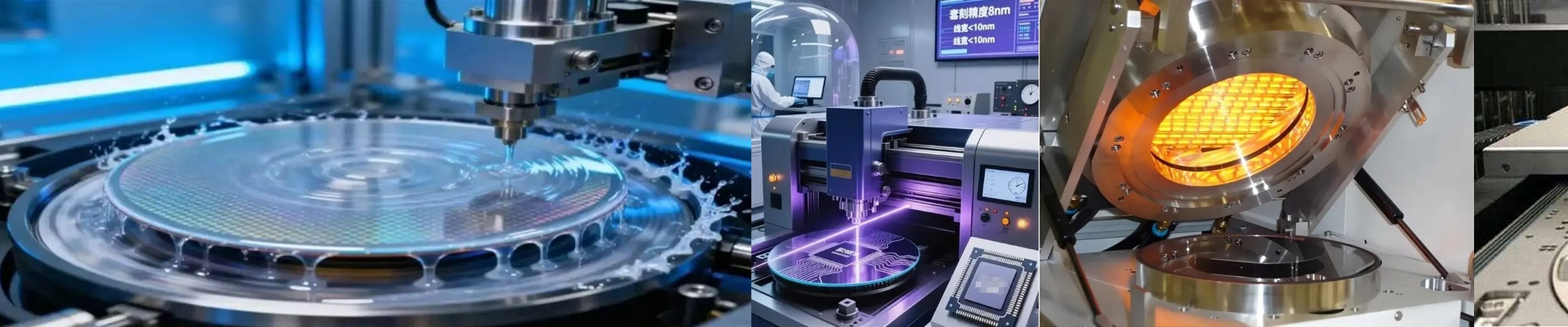
Most of these lamps rely on quartz glass and tungsten filaments. Quartz is great with heat, but there’s a weak spot: the seal where the glass meets the metal electrodes. Here’s the problem. Moisture loves to sneak into those seals. Once a tiny bit of water vapor hits that glowing hot filament, the tungsten oxidizes almost instantly. The wire thins out, snaps, and suddenly you’ve got a dead heater. To stop this, we basically build a “torture chamber.” We throw the lamps into a room with 95% humidity and crank up the heat. We flip the power on and off repeatedly to stress those seals to the breaking point. We’d much rather the lamps fail in our factory than in your customer’s ceiling.
Finding the sweet spot
It’s a bit of a balancing act. If we make the seal too tight, the lamp can actually become brittle. Then, if a splash of cold water hits a hot casing, the glass might crack from the shock. We spend a lot of time tweaking the seal composition so it can handle the steam without being so rigid that it snaps under pressure.
What this actually means for you
At the end of the day, you just don’t want to deal with return shipments and angry emails about leaking seals. By putting these lamps through the ringer before they leave us, we make sure the electrical resistance stays steady. You get a heater that keeps its heat, doesn’t flicker, and doesn’t “pop” the moment the room gets steamy. It just works. And that means fewer replacements and a lot less stress for you.