

Why Gold-Coated IR Lamps are a Huge Win for Wafer Processing
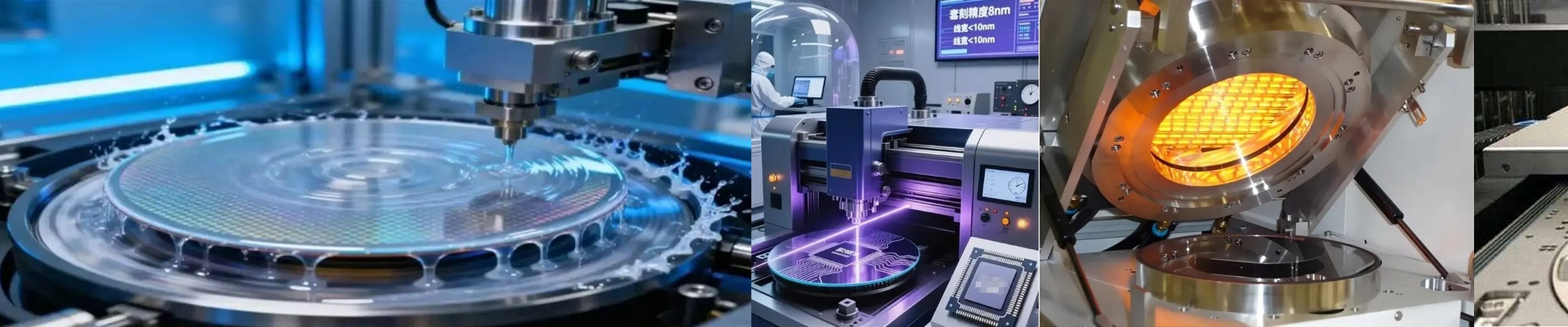
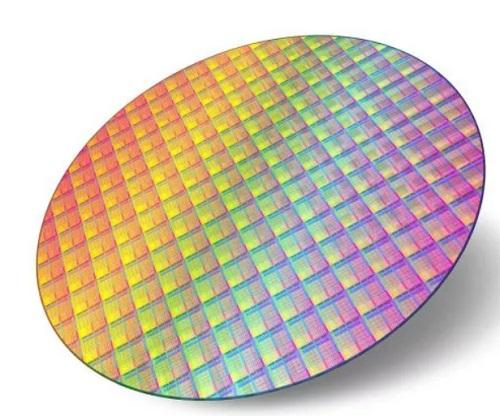
In semiconductor fab, you’re always fighting a battle with heat. You need it to be fast and incredibly precise, but if you mess up, you fry the circuitry. It’s a tightrope walk. That’s where gold-coated shortwave infrared (SWIR) lamps come in. They aren’t your typical heating elements. They’re built for one thing: slamming a massive amount of energy into a wafer, fast. The secret is in the gold. Usually, quartz lamps just throw out a broad mix of radiation. But when we add that thin layer of gold to the quartz, everything changes. The gold acts like a mirror for specific wavelengths, pushing way more energy into the shortwave spectrum. The result? The heat doesn’t just sit on the surface; it sinks in. You get a much steeper ramp-up time. And because you aren’t wasting energy heating up the air around the wafer, your carbon footprint drops. It just makes sense. Dealing with the heat load When you’re working with 300mm wafers, “warm” isn’t enough. You need raw power density to make sure you don’t end up with cold spots that ruin a batch. The beauty of SWIR is that it’s focused. It hits the target and stays there, which means the rest of your machine chassis doesn’t turn into an oven. But here’s the catch: you can’t ignore your cooling. These lamps dump a staggering amount of energy. If your cooling manifold isn’t up to the task, you’re going to burn through filaments way faster than you’d like. Keep it cool, and the lamps will last. Cleaning up the process If you’re still using resistive heating or longwave IR, you’re leaving money—and energy—on the table. Switching to gold-coated SWIR is usually a pretty simple swap for old systems. You plug it into a precision controller, and suddenly you’re hitting target temperatures in seconds. Not minutes. Seconds. It’s a faster workflow. Less idle power. Less waste. It’s the easiest way to actually hit those “Green Factory” goals without sacrificing your output. Fewer kilowatts per chip is a win for everyone.