Cutting Carbon in Chip Making with IR Heating
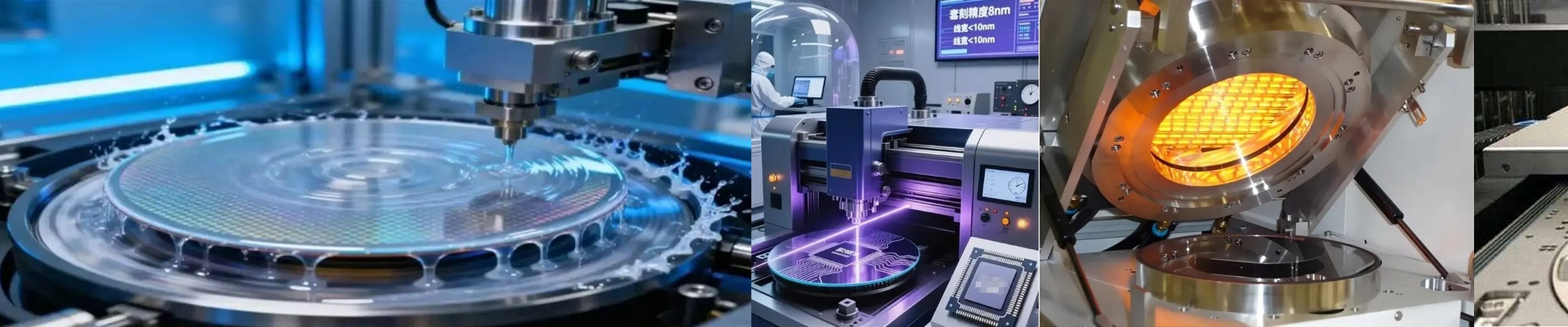
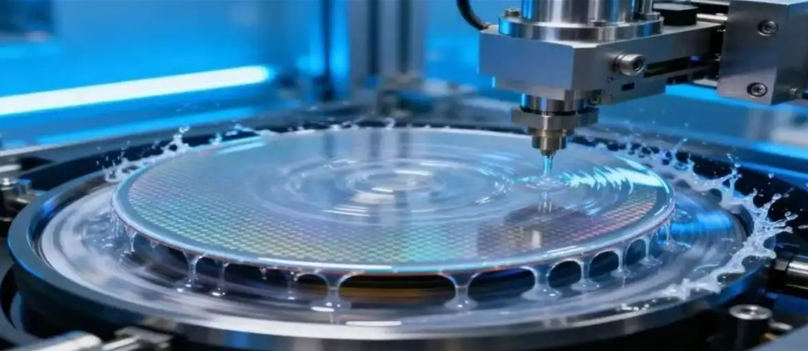
If you’ve ever spent time in a cleanroom, you know the struggle. You need heat, and you need it to be exact, but the last thing you want is to kick up dust. That’s why we lean on infrared (IR) heating lamps. Instead of blowing hot air around—which is basically just a great way to move particles onto your wafers—IR uses radiation. It’s a direct line of energy. No wind, no mess, no contaminated silicon.
The Physics (Without the Boring Parts)
Think about a traditional forced-air oven. It’s a dinosaur. It wastes a ton of power just trying to heat up the air in the entire room. IR is different. It targets the substrate itself. By using short-wave or medium-wave IR, we can get things up to temperature in seconds rather than minutes. It’s fast. Really fast. And that changes your energy bill. When you’re designing a “green” factory, you want to get rid of “thermal inertia”—that annoying lag where equipment just sits there eating electricity while it warms up.
The Tricky Stuff: Integration
We don’t just slap a bulb in a box. These lamps have to be incredibly clean. If there’s any residue on the quartz tube, it can migrate right onto your silicon during the cycle. That’s a nightmare. So, we use high-purity quartz envelopes to keep everything sterile. But here’s the catch: IR is intense. If your wafer is off by just a few millimeters, you can end up with localized hotspots. One wrong move and you’ve burned your substrate. That’s why we rely on precise PID controllers and a very careful focal distance. It’s all about that sweet spot.
What This Actually Does for the Planet
When you switch to IR, the whole footprint of your heating station shrinks. The gear is smaller, which means more floor space and—more importantly—your HVAC system doesn’t have to work nearly as hard to cool the room down. The real win happens during curing and drying. Instead of keeping a massive oven humming 24/7 “just in case,” you only trigger the IR lamp when a part is actually there.On-demand heating. That’s where you actually save carbon. You stop paying for heat you aren’t using. Simple as that.