Stop Losing Money to the Winter Chill
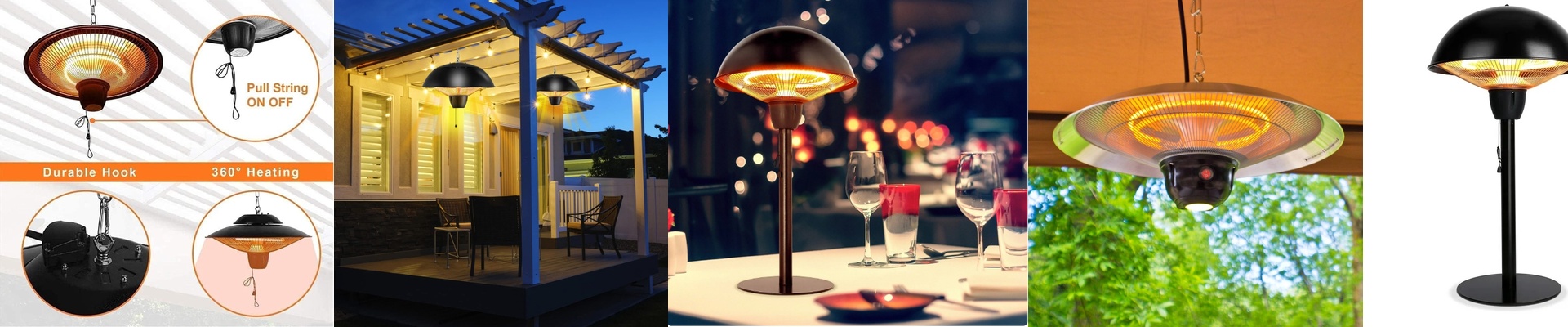
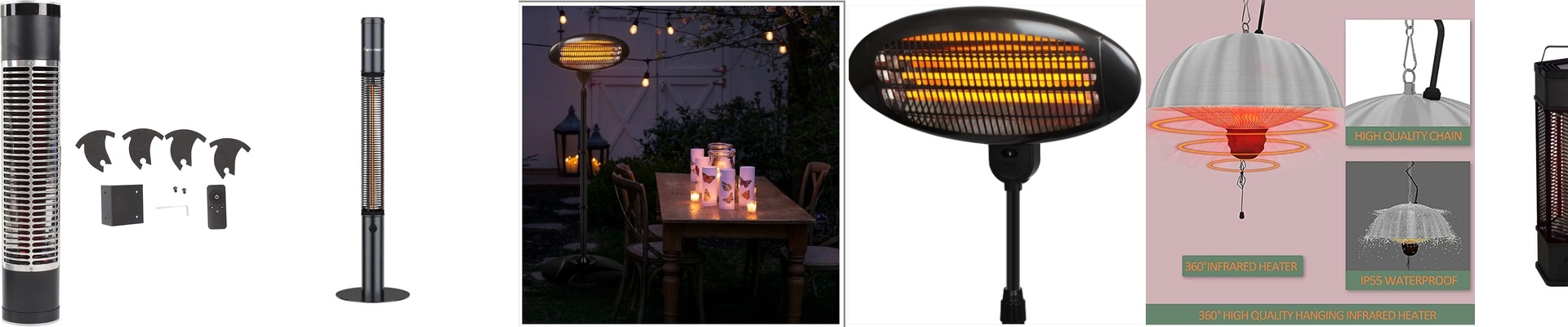
Most outdoor patios are basically ghost towns once November hits. Why? Because those standard convection heaters are useless the second a breeze picks up. You’re basically trying to heat the entire outdoors, which is a losing battle. We do things differently. We use high-ceiling infrared (IR) heaters. Instead of trying to warm up the air, IR sends heat directly to your guests. It’s like the feeling of the sun hitting your skin on a crisp day. The wind can howl all it wants, but your customers stay warm because the heat is hitting them, not the air around them.
The Trick to High Ceilings
If you’re mounting heaters high up, you can’t just use any old unit. You need shortwave emitters. Here’s the thing: longwave heat disappears way too fast as it travels. Shortwave IR, however, cuts right through the air and hits the target with a punch. But physics is a stubborn thing. The further away the heater is, the weaker the heat feels. To fight that, we use high-wattage units and set them up in arrays. We overlap the heat patterns so you don’t end up with those annoying “cold spots” where one table is cozy and the next is shivering.
Getting the Power Right
You can’t just plug these into a standard outlet and hope for the best. High-output IR heaters pull a lot of juice. If you’re putting in a row of 2kW or 3kW units, your electrical panel needs to be ready for it. There is nothing worse than having your breakers trip right in the middle of a Friday night dinner rush. It’s a nightmare. Also, don’t cheap out on the reflectors. We use polished aluminum or gold coatings to push the heat straight down. A bad reflector is basically a heater for your ceiling—you’re wasting about 30% of your energy on the rafters instead of your guests.
The Bottom Line
When people are warm, they stay. They order another round of drinks. They order dessert. Suddenly, your patio isn’t just a summer perk—it’s a year-round money maker. Just a heads-up: these things are powerful. You get a very sharp difference in temperature. Someone sitting right under the lamp will feel toasted, while someone a couple of feet away might still feel a chill. It’s all about the balance. We tweak the wattage and the mounting height until it feels just right—warm enough to be inviting, but not so hot that your guests feel like they’re being grilled.