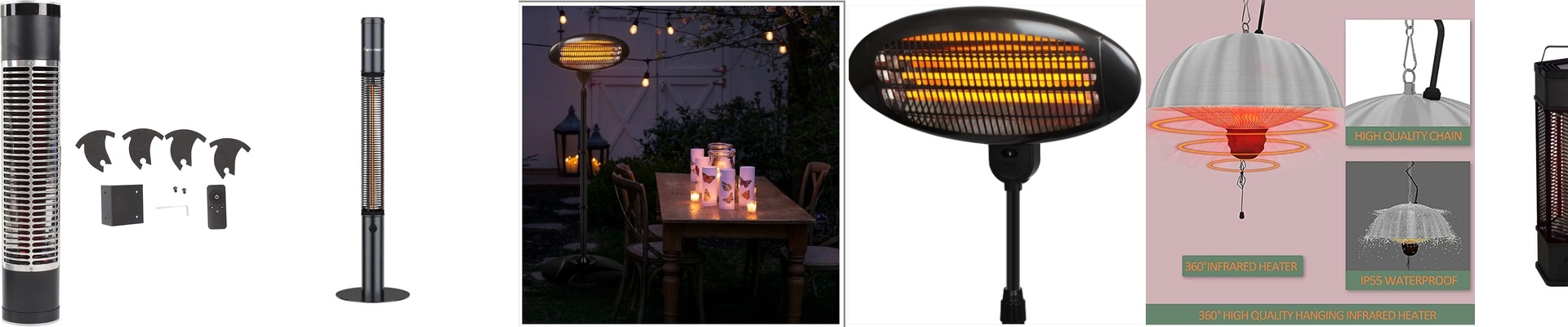
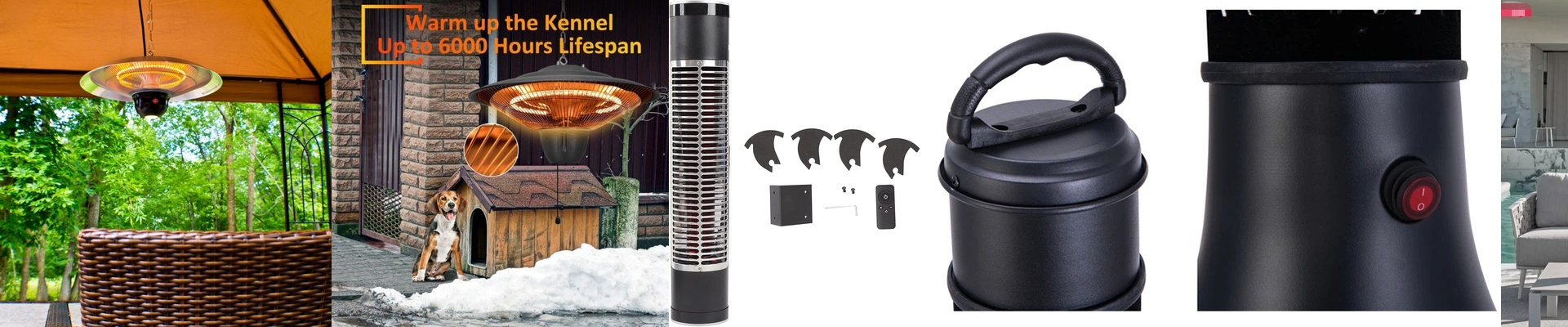
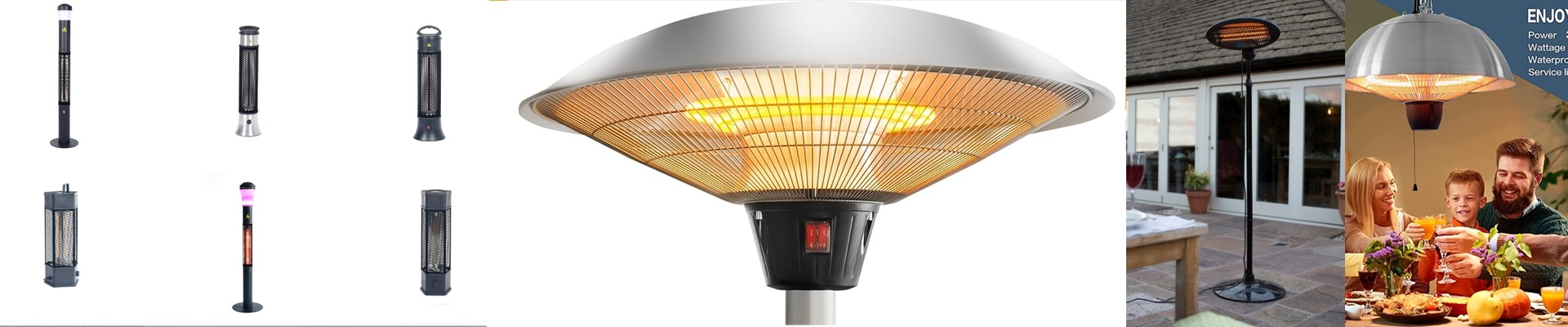
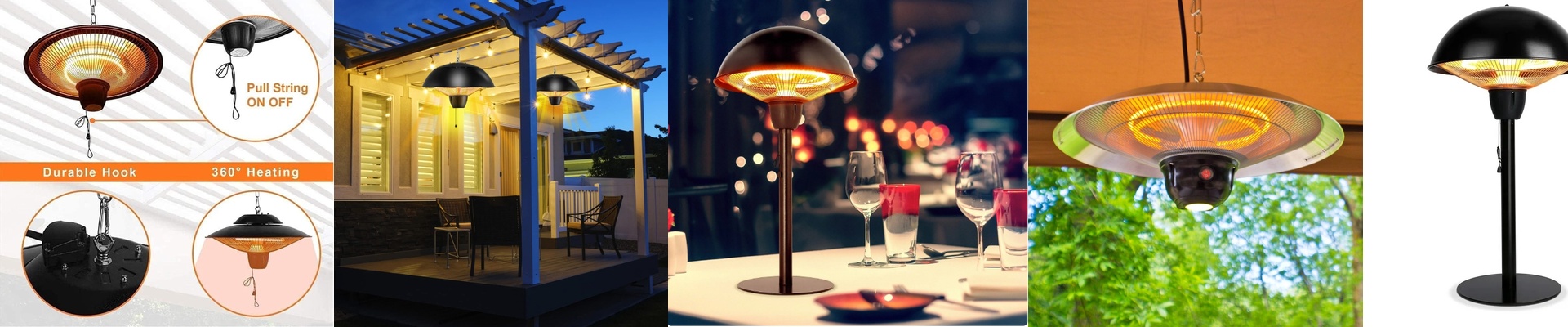

On a still evening, you want the only thing moving to be the air. No mechanical hum. No whirring fan. That’s the whole point of a low-noise infrared heater: warmth that shows up the instant you flip the switch, without making a spectacle of itself.
What matters under the hood
We build infrared warmth around one hard number:99.8% electric-to-heat conversion. The key is the radiant element—typically a carbon fiber core inside a quartz tube—set up to emit short- and medium-wave infrared directly, instead of wasting time heating air first. You feel the heat the moment the unit comes on, with almost no warm-up lag. And because there’s no fan, you don’t get rushing air, no motor noise, and no dust getting kicked up. Output stays steady, and the space stays quiet.
Why this works where you actually use it
Outdoor living areas, covered patios, and workshops all run into the same issue: the heat never seems to land where people are. Conventional heaters warm the air, and then that air rises and scatters. Infrared heaters send energy straight outward in a focused beam, warming people, furniture, and floor surfaces first. You get comfort where you sit, not just a few degrees higher near the ceiling. That direct transfer also means you can run the heater with less wasted energy—especially in open or semi-open spots where wind makes forced-air heating feel like it’s fighting a losing battle.
What you need to plan for
Infrared heaters are directional by design. For the best results, point the unit so it covers the seating area directly, and mount it high enough to avoid glare while keeping the beam on target. Most electric infrared models run on standard household voltage, but they still need a dedicated circuit to stay safe and stable. Expect immediate warmth, but plan for focused coverage, not whole-room heating.