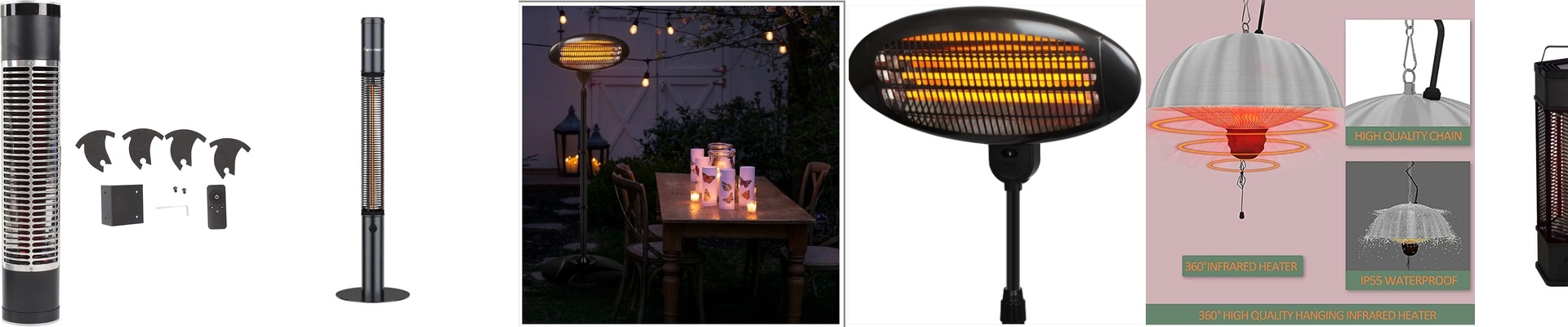
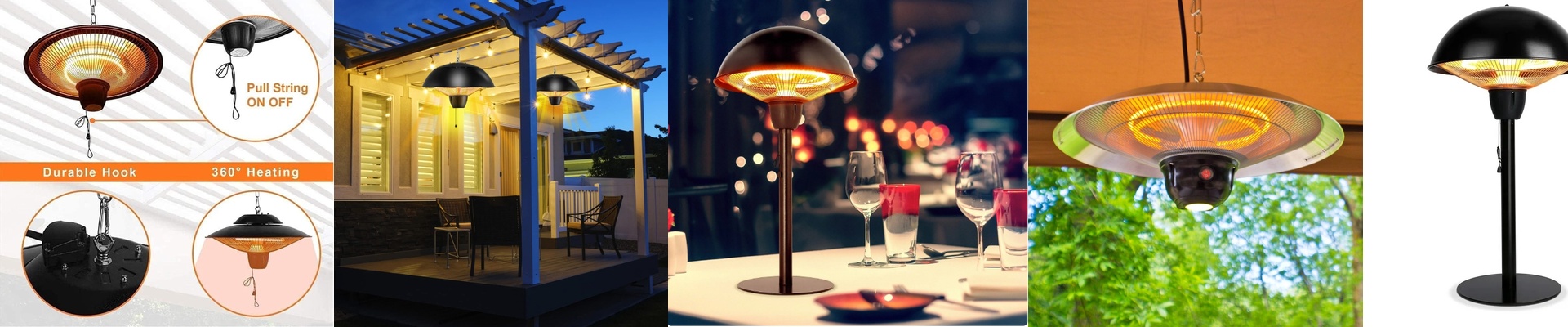
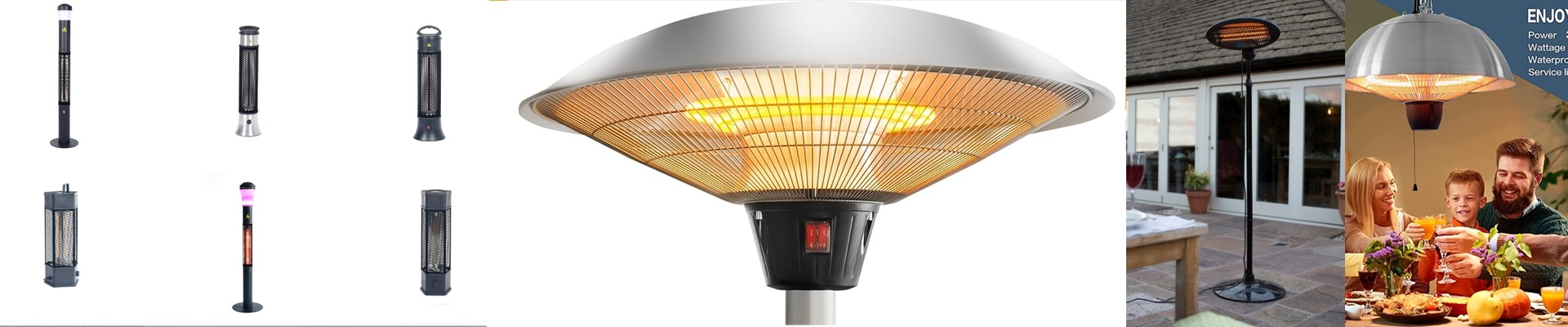
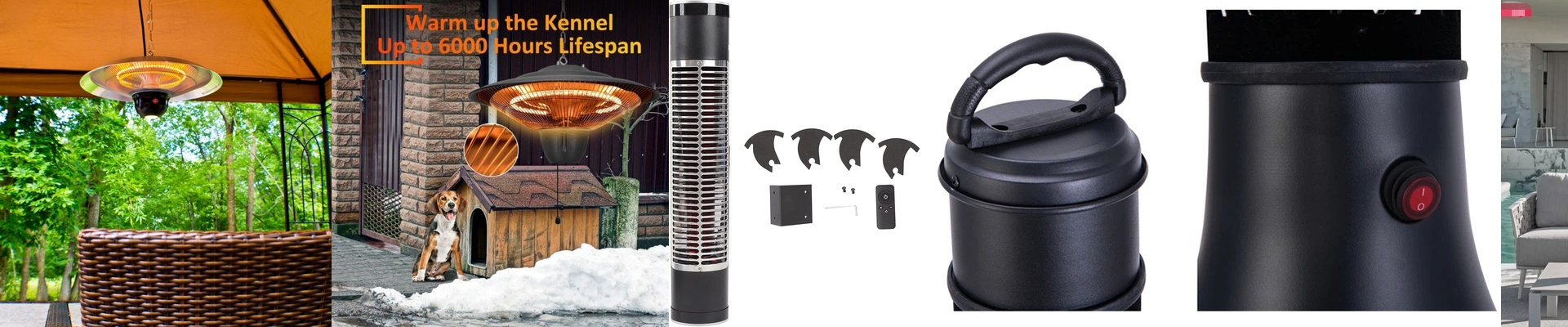

Five years into a sunroom, the last thing you need is the heating going quiet right when the leaves start to turn. A heater that makes you tear off panels, chase wiring, and wait on a service call turns a simple fix into a weekend project. We built our sunroom infrared heater with the opposite approach: service you can do yourself, quickly. What matters under the hood This unit uses infrared radiant warmth, so it heats people and surfaces directly instead of trying to warm air that just escapes through the glass. Inside, the heating element assembly is modular, held by two quick-release fasteners and indexed so it only goes back together one way. Each module plugs into a protected terminal block with positive locking, so you’re not fighting a cramped junction box when you swap components. It runs on standard 120V or 240V configurations (size your room accordingly), with a built-in thermostat for steady comfort and tip-over protection for peace of mind. Why this works in a sunroom Sunroom comfort comes down to stable, directional heat that doesn’t feel thin or drafty. Infrared warmth keeps the space quiet and still, and the modular design keeps downtime short. When maintenance is due, you pull two screws, swap the module, and you’re back to warm. No special tools. No guesswork. Fewer service interruptions mean more evenings enjoying the view and fewer call-outs that mess up your routine. Things to keep straight For best results, aim the heater so the beam covers seating areas directly, and keep a clear clearance around the unit for airflow and safety. The modular swap is straightforward, but if you’re not comfortable with 120V/240V connections, have a qualified electrician handle the initial wiring and any reconnection after a swap. Also, infrared heats people effectively, but very large sunrooms may need multiple units or a higher-wattage layout to feel fully balanced.