
The lights drop, the screen lights up, and the first chord of your favorite soundtrack hits. Then the distraction shows up—the soft whir of a forced-air heater kicking in, pulling you right out of the scene. In a proper home theater, the warmth should be part of the moment, not a noise you have to put up with.
What’s actually under the hood
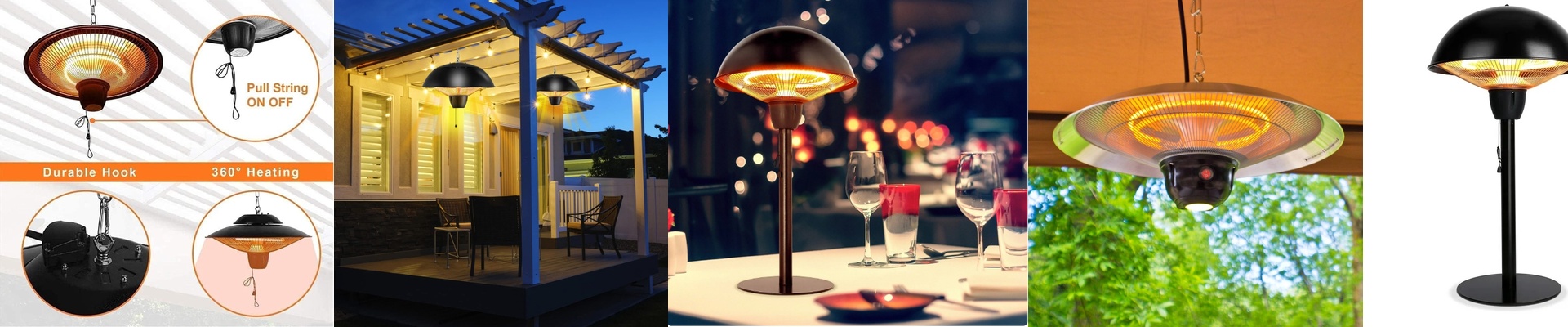
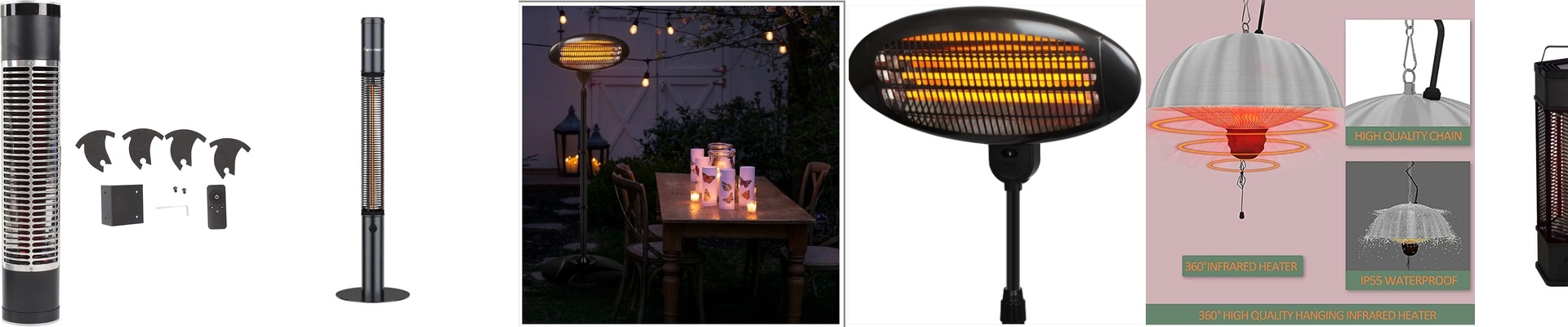
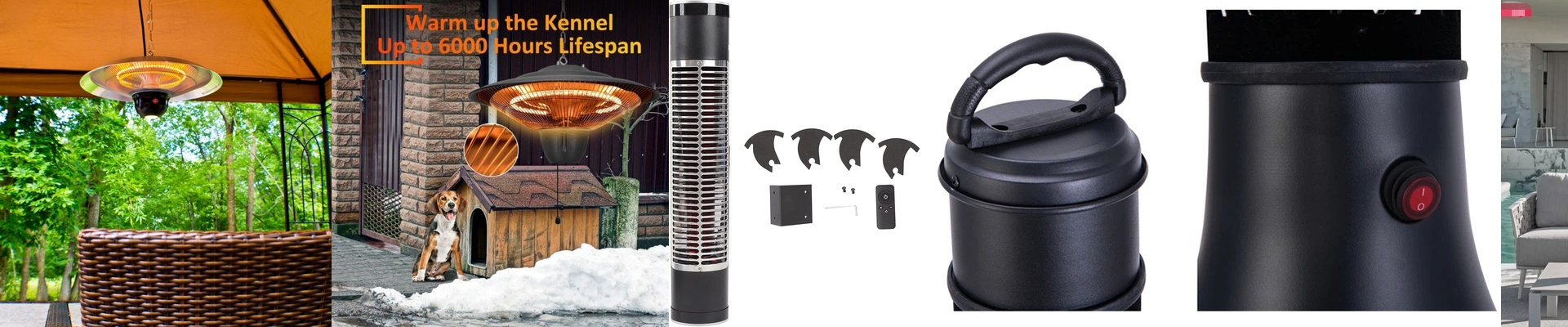
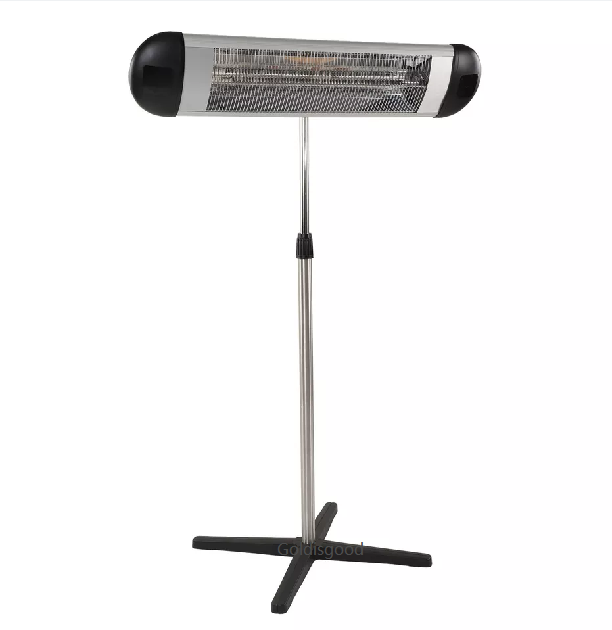
We built this infrared heater around a carbon fiber element, because it responds fast and holds up over time. Heat comes out as pure radiant warmth—directly warming people and surfaces without moving air around. So no fan noise. It runs on standard 230V, pulls up to 2,000W, and is designed to meet strict energy efficiency requirements, which keeps operating costs down. A built-in thermostat holds the temperature you set, and you get tip-over protection plus an IP rating for indoor use, so day-to-day operation is straightforward and safe.
Why this approach fits a home theater
Sound is the whole point in a home theater. Traditional heaters move air and make noise, and that masks quiet details and breaks immersion. With this infrared unit, it stays quiet, so the room’s sound stays clean. The warmth hits right away, so you don’t have to wait for the room to warm up before the movie starts. Because the heat is directional, you feel cozy in your seat without cooking the screen or the gear. You get even, steady comfort—so you can focus on the story, not on the background hum.
The practical details that matter
Placement matters. For the best result, set the heater off to the side or slightly behind the seating, so the infrared warmth covers the audience without shining straight on the screen. It’s built for indoor home use; it meets ERP standards for efficiency, but it’s not meant for wet outdoor exposure. You’ll feel the heat quickly, but plan the location so the beam stays clear of reflective surfaces that can cause glare.