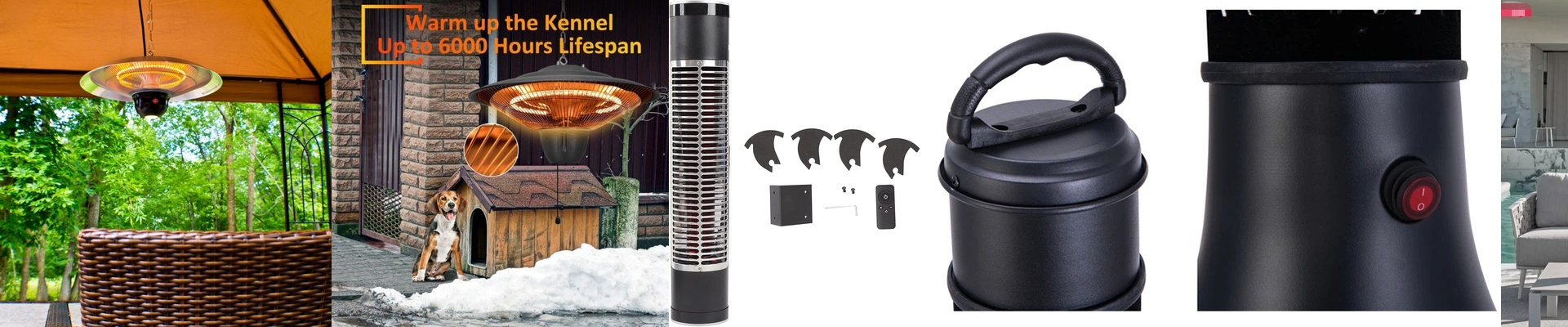
Energy prices keep climbing, and every warm-up in your car starts to feel like a small expense you didn’t plan for. With a portable infrared car heater, you can turn that cost pressure into control—delivering comfort without running the engine, and without draining your wallet.
What Matters Technically
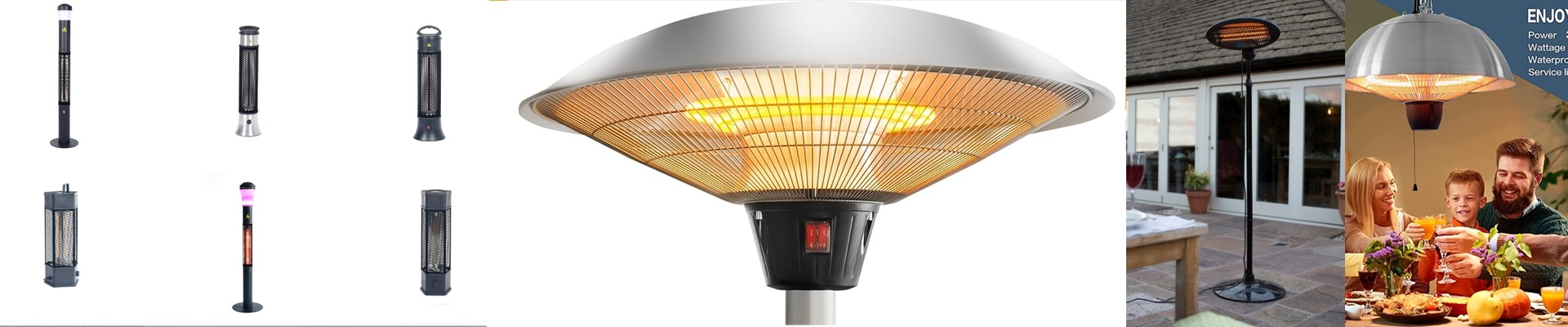
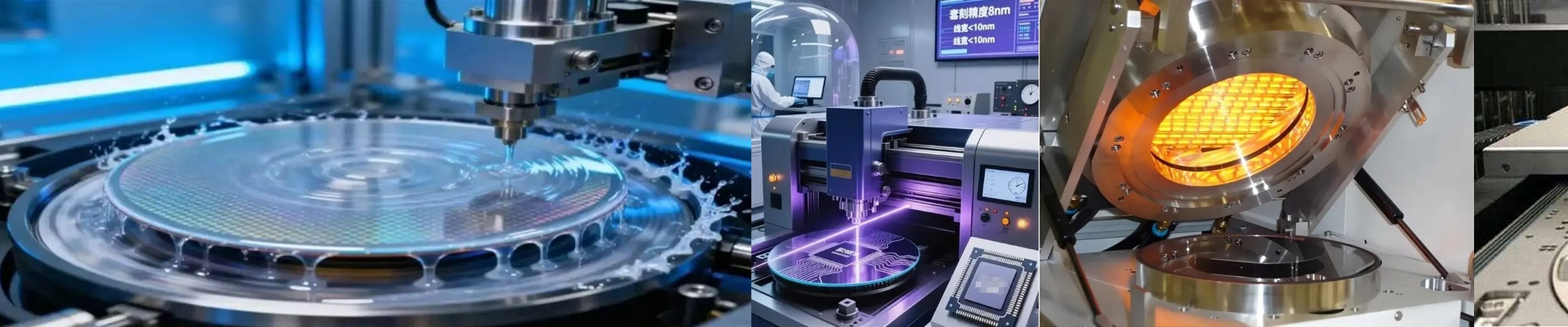
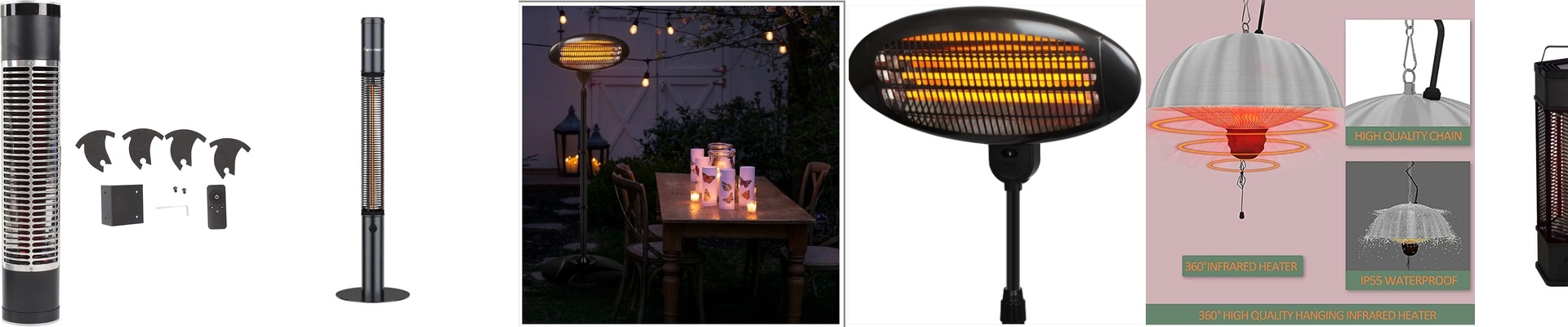
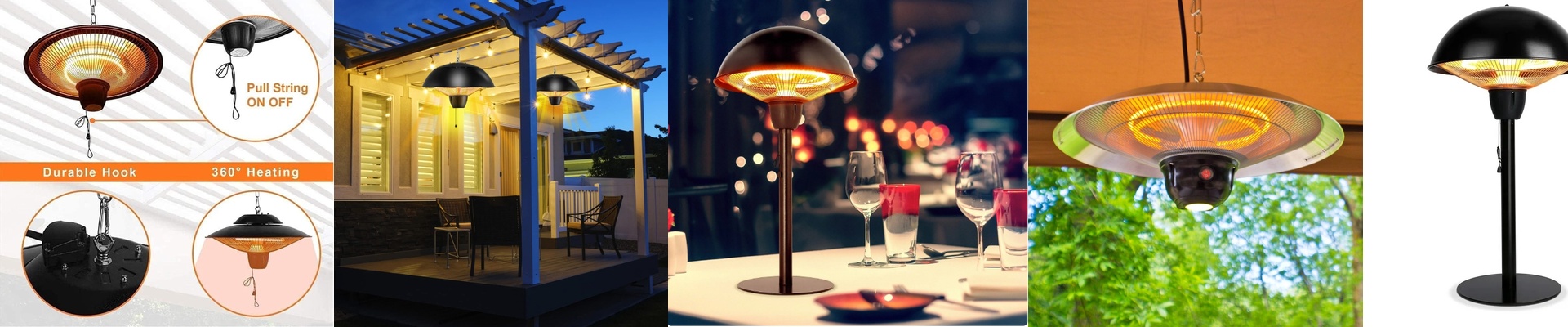
These units are built around infrared radiant warmth, which heats people and surfaces directly instead of warming the air. The payoff is quick comfort with minimal wasted energy. In practice, many run on 12V vehicle power and draw around 150W, so you get noticeable heat while placing far less demand on your alternator than a traditional 500–1500W cabin heater. The core element is typically a quartz tube or carbon fiber filament, chosen for fast heat-up, stable output, and a long service life. You feel the warmth within seconds, and a built-in thermostat helps maintain a steady temperature instead of letting heat run wild.
Why It Works Here
When energy costs are rising, the real win is efficiency: infrared heat targets the cold surfaces and the driver, not the entire empty cabin. That focused warmth can reduce the need to idle the engine just to get comfortable, which helps lower fuel use and cuts wear. For daily commutes and weekend drives, you get a faster warm-up, fewer drafts, and a more consistent cabin feel—especially when the outside air is biting. It’s a practical way to trim heating-related energy spending while staying cozy on the road.
Things to Know
A portable car heater works best when matched to the space and the power source. Since it runs on 12V, performance is strongest when wired to the vehicle’s power outlet with a clean connection, and it may struggle in extremely low temperatures if the battery or alternator is weak. Infrared heat is most effective on direct exposure; you’ll feel the warmth most where the heater is pointed, so positioning matters. For safety, choose a model with tip-over protection and auto shut-off, and keep it away from loose fabrics and vents.