
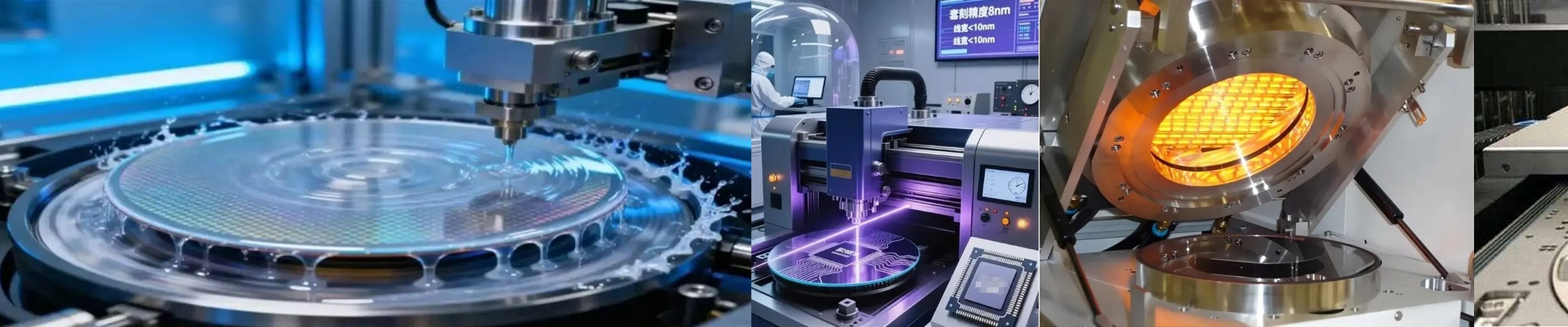
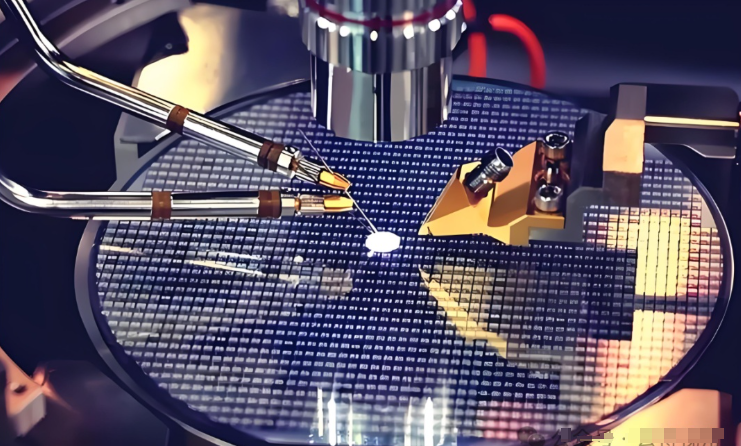
On the fab floor, you earn linewidth control in the photoresist bake—no free rides. A few degrees of drift during soft bake or hard bake shows up fast: exposure latitude shrinks, and CDs drift across the lot. The Canon lithography heater bulb is built around that truth. It locks thermal behavior down so the process stays in spec, lot after lot.
What matters under the hood
The bulb delivers infrared heating with sub-millimeter uniformity, giving you a stable thermal field across the wafer. That geometry matters because it cuts edge-to-center bias, keeping the whole field within the photoresist thermal budget. Repeatability is baked into the design—controlled filament geometry and stable quartz envelope performance keep temperature consistent run-to-run. The payoff: predictable bake profiles that protect critical dimensions and keep rework off the line.
Why it fits the lithography flow
In lithography, the bake isn’t a standalone step—it sets the stage for exposure and development. Canon heater bulbs are compatible with Class 1–100 cleanrooms and generate low particle counts, which matters when yield hinges on keeping defects down. The heat response is fast and clean, so you get shorter thermal ramps without overshoot. That tightens cycle time while preserving photoresist adhesion and profile integrity. Energy use drops because the heat goes straight where it’s needed. And the long service run cuts down on spares and trims maintenance windows.
The practical details that keep you out of trouble
Match the bulb to the exact Canon lithography tool model and reflector geometry. A mismatch will come back as hot spots and drift. The bulb has a finite life, set by filament operation hours—plan replacements around scheduled preventive maintenance. Keep the power delivery stable. Voltage fluctuations will shift output and degrade uniformity. When it’s installed right, the bulb gives you thermal precision that turns the bake step into a repeatable control point, not a gamble.