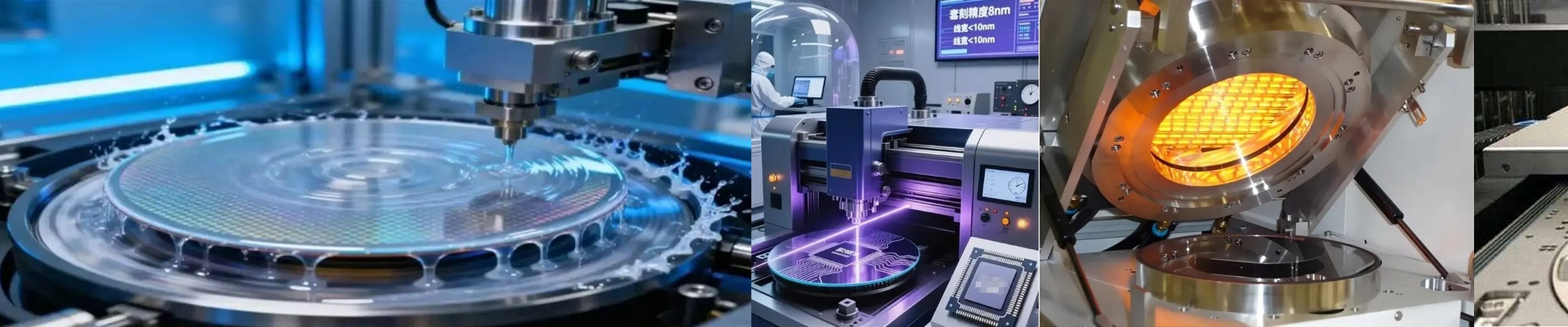
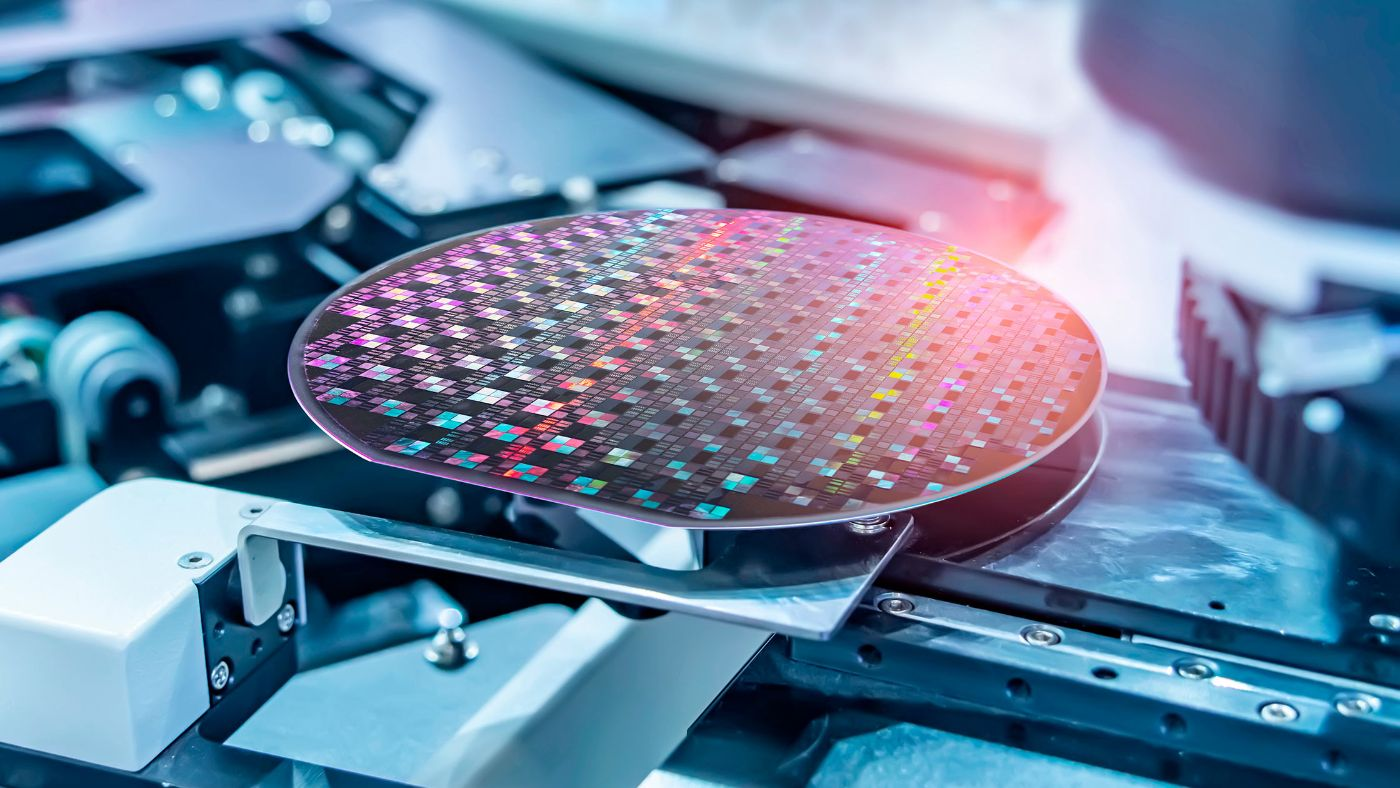
On the fab floor, thermal drift during solid-state battery stack processing isn’t just a curve on a chart. It wastes wafers, eats into the thermal budget, and makes scheduling a nightmare. Photoresist soft bake and hard bake windows are razor-thin, and laminate and electrolyte interfaces need rock-solid temperature repeatability. If the heater can’t hold uniformity across the substrate, yield becomes a gamble. What Matters Technically We built this solid-state battery processing heater around short-wave infrared (NIR) sources in a quartz-enhanced thermal module. The payoff is wafer-level uniformity of ±0.1°C across the active area, with setpoint stability of ±0.2°C during dwell. Ramp control hits 1°C/s with tight overshoot, so the bake profile tracks the recipe, not the hotspot. It fits Class 1–100 cleanrooms and runs clean, with zero particle generation verified at ≤1 particle/ft³ at 0.1 µm during steady state. Twenty-four-hour operation is backed by dual-loop control and an MTBF exceeding 50,000 hours. When something does need service, modular lamps and hot-swappable drivers keep unplanned downtime off the board. Why It Works Here In lithography lines, the same unit handles photoresist soft bake and hard bake with the same repeatability, so you don’t need a second platform. Changeover gets faster, and you stop chasing mismatched bake profiles. For solid-state battery stacks, it cures interface layers and bonds thin films without hot edges or cold centers. That keeps series resistance stable and keeps delamination risk low. Energy use drops because NIR couples directly into the target, not the chamber walls. Fewer scrapped lots and fewer recalibrations add up to output that holds steady shift after shift. Things to Know The heater drops into standard tracks using RS-485 and SECS/GEM, and the footprint matches common platforms. From a cold start, it settles into thermal stability in about 3–5 minutes. Plan that warm-up when you balance the line. EMC is tight, so keep high-current cables routed and shielded. That’s how you avoid noise bleeding into adjacent instruments.