

Stop the Shrapnel: Why Gold-Coated Twin-Tube Lamps Save Your Yield
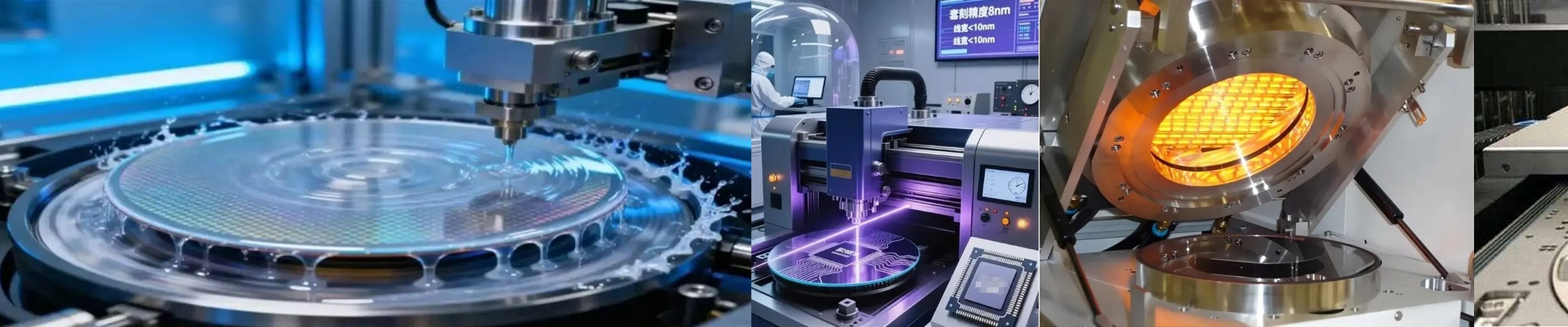
In a high-pressure semiconductor setup, a lamp popping isn’t just a “maintenance window” problem. It’s a nightmare. When a standard quartz tube goes, it doesn’t just stop working. It basically explodes, raining glass shards and metallic oxides all over your wafers. One bad pop and your yield is trashed. We built our gold-coated twin-tube lamps specifically to stop that disaster from happening. The Twin-Tube Trick Here’s the thing: heat kills quartz. If you cram too much wattage into one single tube, you get these brutal hotspots that make the glass soften or crack. We switched to a twin-tube design to spread that heat load across a bigger surface area. It’s simpler and safer. By splitting the load, the glass isn’t fighting for its life under extreme pressure, which means it lasts a lot longer. Why the Gold? The gold coating does two big jobs. First, it’s a mirror. It bounces the IR radiation straight toward the wafer, so you aren’t wasting heat on the sides. But the real win is the safety. Think of the gold layer as a containment shield. If the inner quartz fails, the gold helps hold the mess in. It stops those particles from flying everywhere and contaminating your entire production zone. It’s a safety net you hope you never need, but you’ll be glad it’s there when things go south. The Honest Trade-offs Now, it’s not all magic. These lamps are bulkier than the single-tube versions. Before you swap them in, double-check your housing and reflectors. If the diameter is too tight, they won’t fit. And keep an eye on your cooling fans. Because the gold reflectors trap so much heat, your fans have to work harder. If they can’t keep up, you’ll fry your connectors. One last tip: get your power supply dialed in. Voltage spikes are what actually kill the filaments. Keep the power clean, and these lamps will handle a 24/7 grind without putting your wafers at risk.