Stop the Shards: Keeping Your Wafers Safe from Lamp Failures
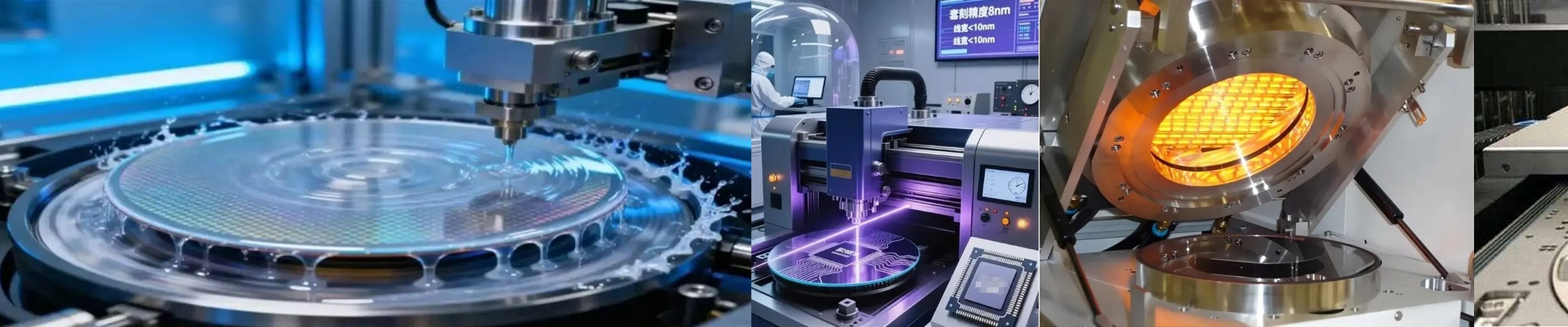
In a high-volume wafer setup, a lamp blowing out is more than just a headache or a bit of downtime. It’s a nightmare. If a quartz tube bursts, you’re not just looking at a dead bulb—you’re looking at glass shards and metallic grit scattered all over your wafers. That’s a disaster you can’t afford. Which is why we build our clean room bench infrared lamps to stop that mess before it ever happens. Keeping the mess contained We use high-purity fused quartz for the heating elements because it handles heat like a champ. But let’s be real: voltage spikes happen, and lamps eventually wear out. When they do, they can “burn out” violently. To fix this, we wrap the lamp in a shatter-resistant sleeve or a containment jacket. Think of it as a safety net. If the inner lamp pops, the outer barrier catches everything. Your silicon stays clean, and you don’t spend your afternoon scrubbing glass out of a clean room. The nitty-gritty on heat and power Space is usually tight on a bench, so we’ve dialed in the wattage-to-length ratios. The goal is simple: get the heat onto the wafer, not into the frame of your bench. We also beefed up the connectors to stop arcing. If you’ve ever seen a spark at the terminals, you know it creates these hot spots. Those spots stress the tube until it finally gives up. By killing the arc, we save the lamp. A few things to watch out for Here’s the thing about high-intensity IR: it needs a lot of current. That means the connection points get hot. Fast. You’ll want to make sure your wiring can actually handle the amperage, otherwise, you’re risking melted insulation. Also, keep an eye on your cooling. If your system can’t keep up with the heat load of a high-wattage array, the lamps will just bake themselves to death and wear out way too soon. Getting them into your workflow These are designed to be drop-in replacements for your standard benches. No fuss. We also spent a lot of time on the mechanical fit to kill vibration. It sounds like a small detail, but constant shaking creates micro-cracks in quartz. By keeping the tube steady, the lamp lasts longer and your clean room stays exactly how it should be: sterile.