Let’s Talk About Why Your Ozone-Free IR Lamps Actually Stay Lit
Ozone-free infrared lamps are great because they cut out that 185nm wavelength—meaning you don’t have to deal with O3 gas hanging around your workspace. That’s the fancy part. But here’s the real deal: the spectral output doesn’t mean a thing if your lamp trips a breaker the second you flip the switch.
Why we test every single lamp (no exceptions)
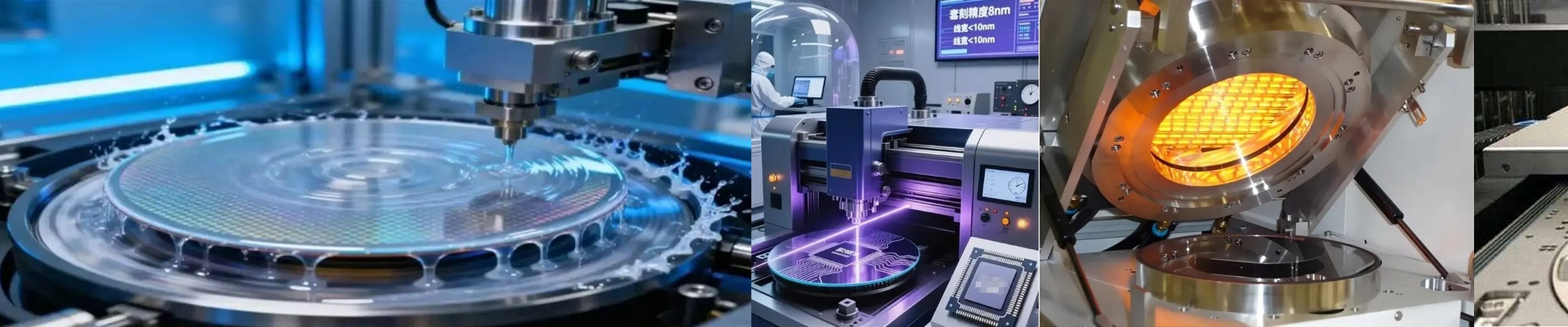
We don’t do “batch sampling.” We don’t just pick five lamps out of a hundred and hope for the best. Every single tube that leaves our shop goes through HiPot and insulation resistance testing. Period. Industrial IR lamps live a hard life. They get incredibly hot. If there’s a tiny, invisible crack in the quartz or a speck of dirt on the electrodes, you might not notice it at first. But once that tube hits operating temperature? That’s when you get arc-overs. We push the insulation to the breaking point during QC so it doesn’t break on you. If a tube fails, it goes in the trash. There’s no “close enough” when you’re dealing with electrical leakage.
Heat, Power, and the Risk of a Meltdown
High-wattage lamps pack a massive amount of heat into a tiny space. It’s intense. All that thermal pressure beats down on the seals and those electrode connections. If the insulation fails, you aren’t just losing a lamp. You’re looking at fried control boards or a damaged machine chassis. That’s an expensive headache nobody wants. We spend a lot of time obsessing over where the quartz envelope meets the metal end-caps. That’s usually where things go wrong. Our tests make sure the dielectric strength is solid from one end of the tube to the other.
A few things to keep in mind
Now, we can give you a perfectly insulated lamp, but you’ve still got to look after your gear. A great lamp will still burn out early if your reflectors are caked in grime or your cooling fans are choked with dust. Just make sure your housing can actually handle the heat load. Otherwise, you’re basically baking your own electronics.