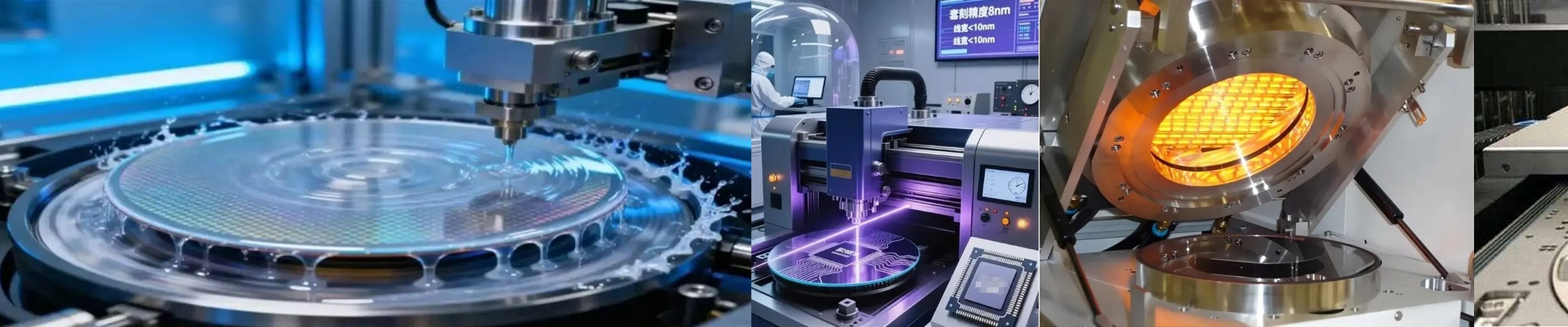
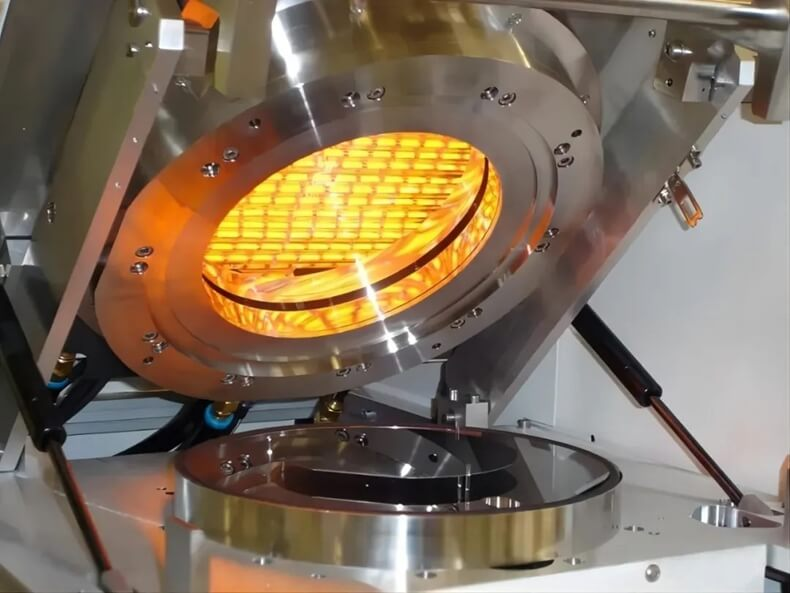
On the wet bench, those rinse-induced thermal gradients are the quiet kind—the ones that quietly eat yield. Standard heaters just can’t dry wafers cleanly without leaving edge beads or stressing the photoresist. When thermal uniformity drifts, the line stops. Period. Sub-millimeter thermal control with infrared heating We built our waterproof infrared lamps for the rinse stage around short-wave infrared, so the thermal field is controlled down to sub-millimeter scale. The emitter array is tuned for fast response and repeatable temperature profiles, holding wafer-level uniformity within ±0.1°C across the active surface. This isn’t a lab number—it comes from controlled spectral output, precise lamp-to-wafer distance, and closed-loop thermal management. In the real world, that means your soft bake and hard bake conditions stay consistent, even after an aggressive rinse cycle. No surprises on the photoresist. Why it holds up in semiconductor rinse work During the rinse-to-dry transition, the lamp stays waterproof right where it needs to be, so you don’t have electrical concerns while heating the wafer directly. Energy lands where you want it, with far less parasitic heating of fixtures and the surrounding cleanroom air. The payoff: shorter dry times, lower particle generation, and stable critical dimension control. Thermal budget variability drops, scrap drops, and the line keeps moving. These units run 5,000+ hours with less than 5% output drop, which is what you need for 24/7 operation. Installation and operating notes The mounting tolerance is tight—keep lamp alignment within ±0.2 mm if you want to preserve uniformity. The lamp performs best with deionized water present; dry-firing will create hot spots and shorten emitter life. You’ll see a slightly higher initial energy draw at warm-up, then it settles to steady power within seconds. In Class 1–100 cleanrooms, pair the lamp with the specified exhaust and shielding to keep particle control tight and thermal stability where it needs to be.