Stop Wasting Heat: Why Gold-Coated IR Actually Matters
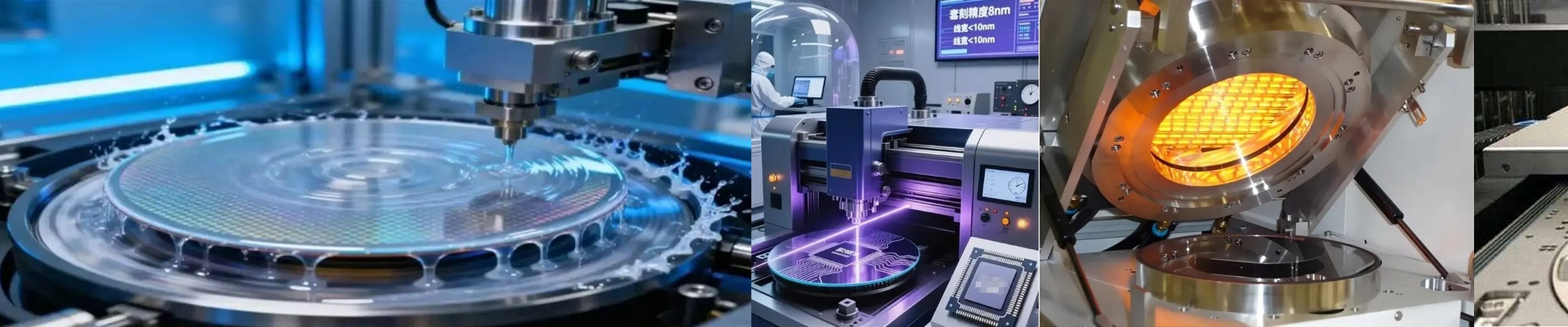
In a semiconductor fab, wasting energy isn’t just a budget issue—it’s a sign that your process is out of control. Think about your carbon fiber infrared lamps. They put out a ton of raw heat, but here’s the problem: without a serious reflector, about half of that energy just leaks backward into your machine chassis. You’re basically heating up the room instead of the wafer. That’s where the gold coating comes in. We use it to push all that wasted energy right back where it belongs: onto the wafer surface.
Why gold? (And no, it’s not for looks)
Most people use aluminum reflectors. They’re fine for a while, but they oxidize and lose their punch over time. We went with high-purity gold because it’s a beast when it comes to reflecting infrared light. It’s not about making the equipment look fancy. It’s about getting every single watt of power to actually do its job. When you pair a carbon fiber filament with a gold reflector, you get a tight, concentrated beam of heat. You can hit those high temperatures without having to crank the voltage to the max. This is a huge win because it keeps your lamps from burning out way too early.
The trade-offs you should know about
Now, there’s a catch. When you focus this much energy into one spot, the wafer heats up incredibly fast. That’s great for your cycle time, but it puts a lot more pressure on your cooling system. If you’re going for maximum focus, just make sure your heat sinks can handle the extra warmth building up inside the lamp housing. On the bright side, these lamps are built for the “stop-and-go” nature of the job. Carbon fiber handles thermal shock way better than old-school tungsten. You won’t have to deal with as many snapped filaments when you’re ramping temperatures up and down aggressively.
What this looks like on the floor
Once you get these wired into your line, you’ll notice the power draw drops. You’re hitting your target temperatures using less electricity. But the real benefit isn’t the power bill. It’s the fact that your surrounding equipment isn’t being baked by stray heat. It turns a blunt instrument into a precision tool.