Keeping Your Chickens Warm Without Leaving the Couch
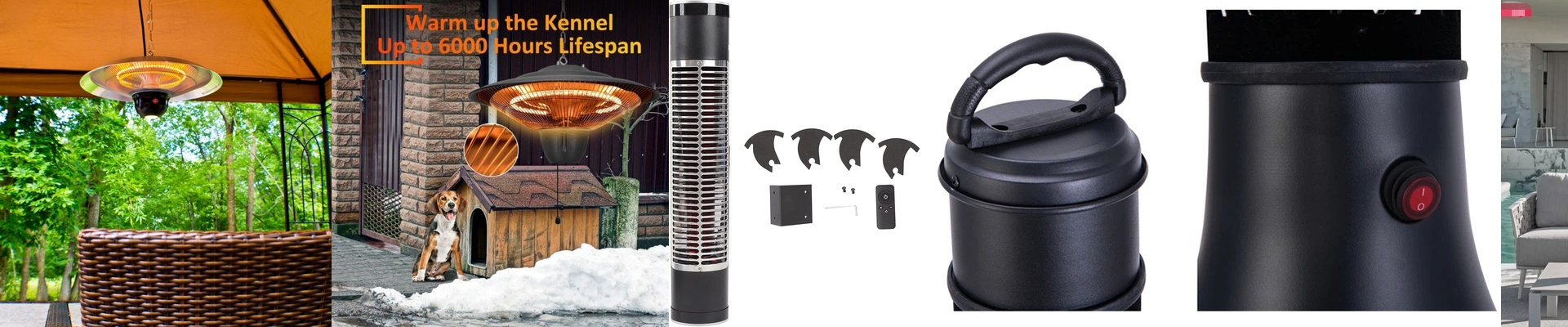
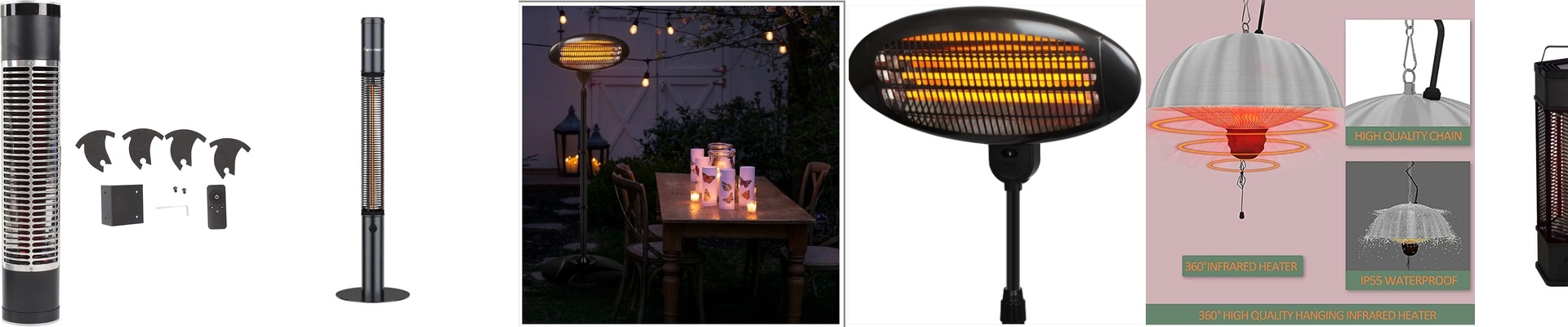
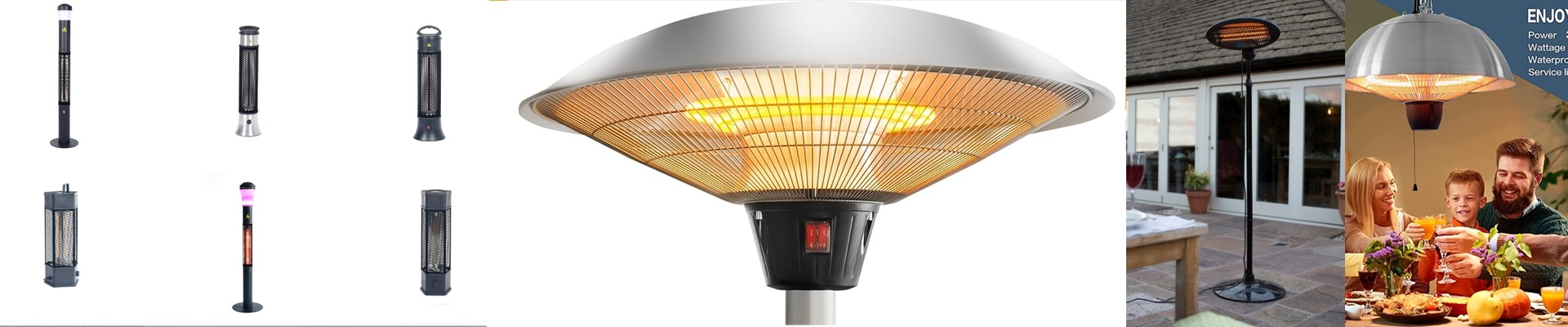
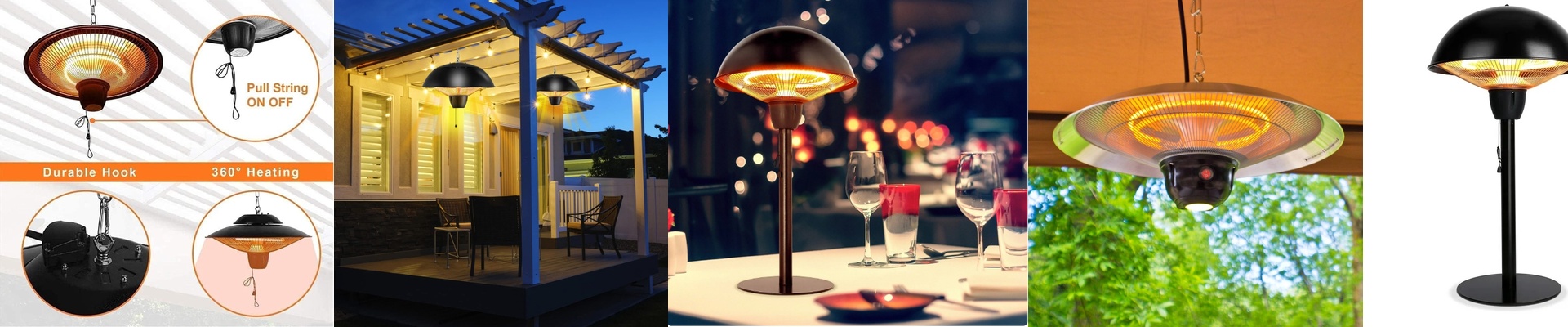
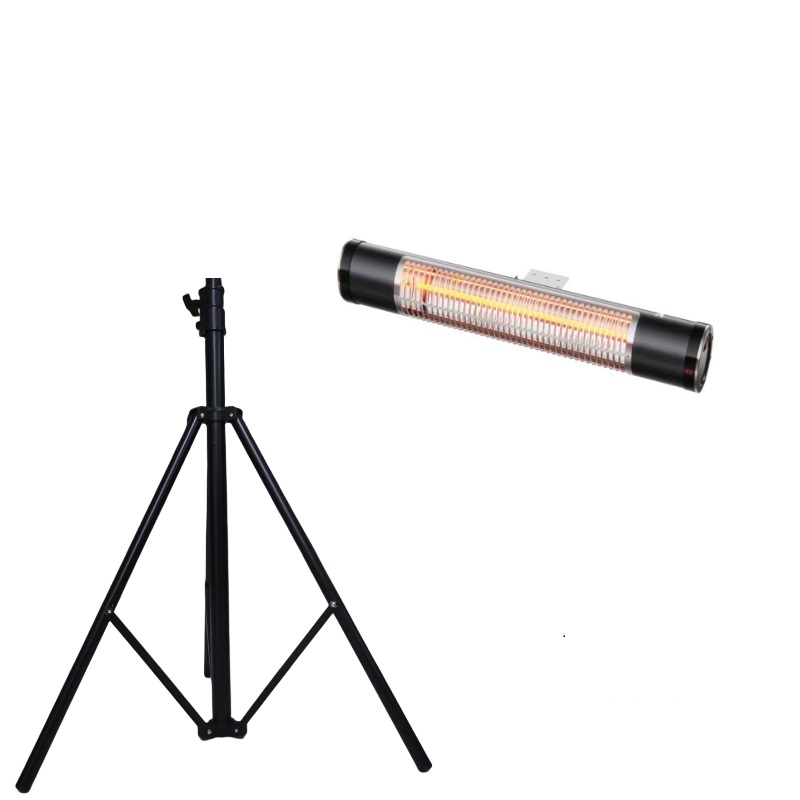
Let’s be honest: walking out to the coop in the middle of a freezing January morning is the worst part of owning birds. It’s cold, it’s damp, and usually, you’re just hoping your flock isn’t shivering. That’s why we built our waterproof infrared heaters. Most heaters try to warm up the air, but in a drafty coop, that heat just disappears. Ours work differently. They beam heat directly onto the birds and the ground. It’s like stepping into a patch of sunlight on a winter day. And because they’re waterproof, you don’t have to worry about a little moisture causing a blowout. Making it “Smart” Now, here is where it gets interesting. You can actually hook these heaters up to your smart home setup. Instead of trekking through the mud to flip a switch, you can use a Wi-Fi or Zigbee relay. Basically, you wire the heater into a smart switch or a little IoT controller. Now, you can just tap an app on your phone or set a timer while you’re still sipping your morning coffee. The best part? It’s instant. There’s no waiting for a coil to slowly warm up. The second you hit “on,” the heat is there. A Few Things to Watch Out For Before you go buying gear, you’ve got to check your numbers. This is the boring part, but it’s the part that keeps your house from burning down. Heaters pull a lot of power. If you have a 1500W heater on a 110V line, it’s pulling about 12.7 amps. If you plug that into a cheap smart plug rated for only 10 amps, it’s going to fry.Always make sure your switch can handle more power than the heater actually uses. I also suggest grabbing an external temperature sensor. You can set it so that the moment the coop hits 5°C, the heat kicks in automatically. You don’t even have to think about it. The Reality Check We use IP-rated housings and seal every junction to keep the water out, but technology isn’t perfect. Wi-Fi crashes. Routers reboot. If your internet goes down and you’re relying solely on an app, your birds are going to get cold. That’s why we always put in a physical override switch. It’s a simple backup. If the tech fails, you just walk outside, flip the switch, and everything is back to normal. Simple as that.