Stop Losing Money the Moment it Gets Chilly
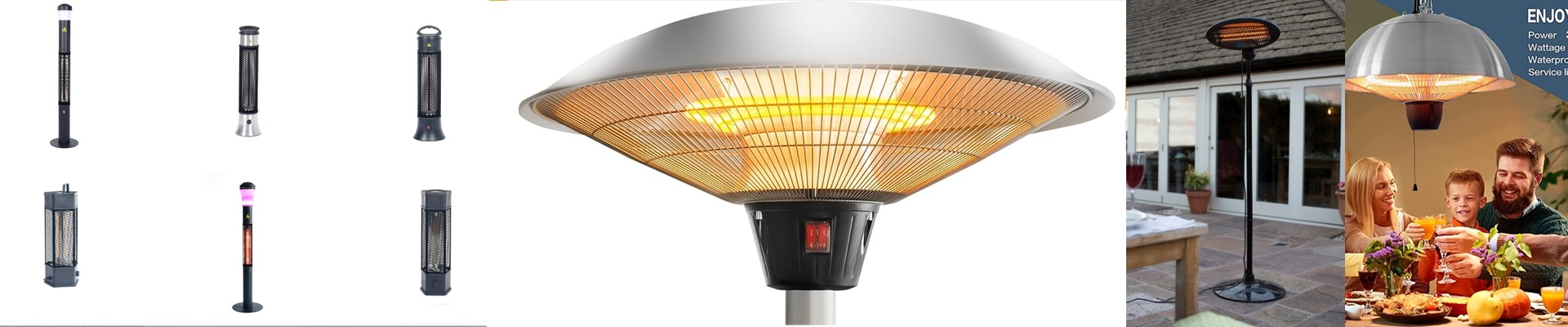
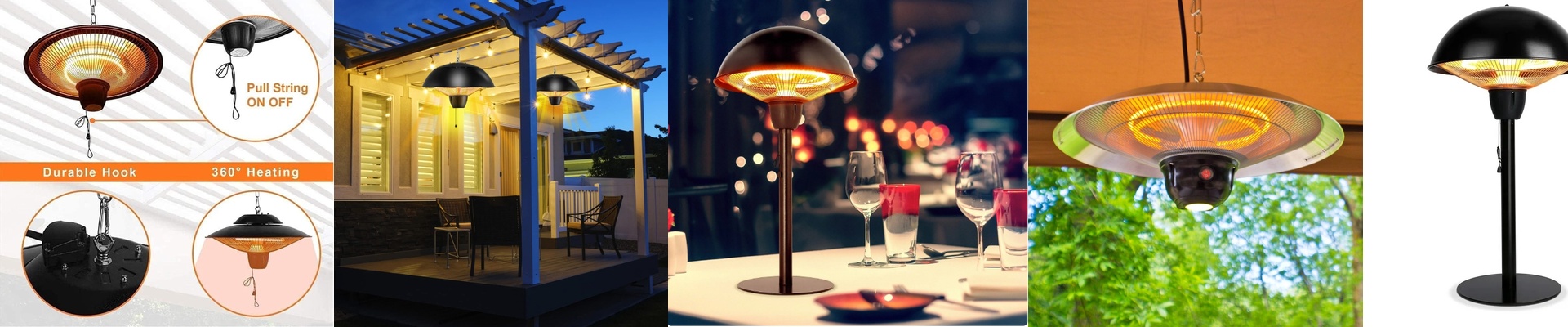
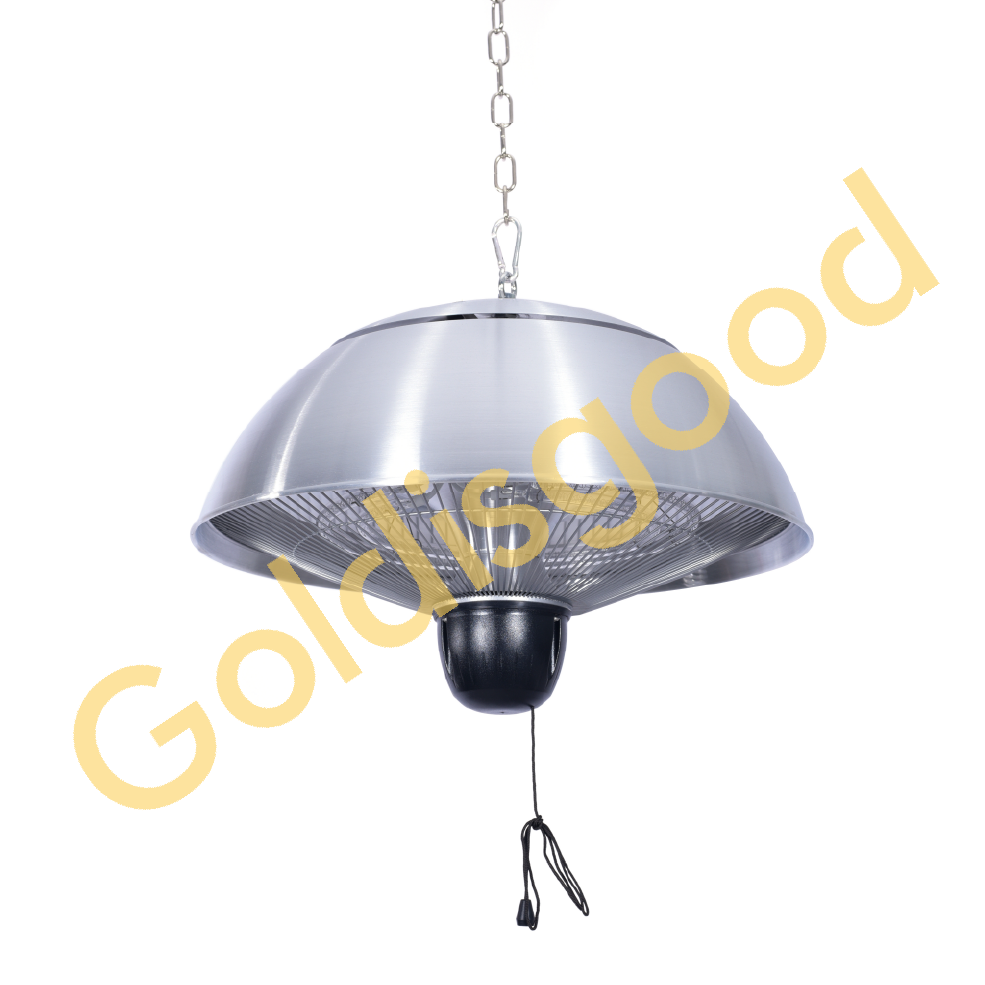
Let’s be honest: as soon as the temperature dips below 15°C, your outdoor seating becomes a ghost town. It’s a huge hit to the bottom line. We fix this with shortwave infrared heaters. Now, forget about those clunky forced-air blowers that just try to heat the wind—which is a losing battle. These lamps work differently. They send heat straight to your guests and their chairs. It’s like sitting in the sun on a crisp autumn day.
Built for the Real World
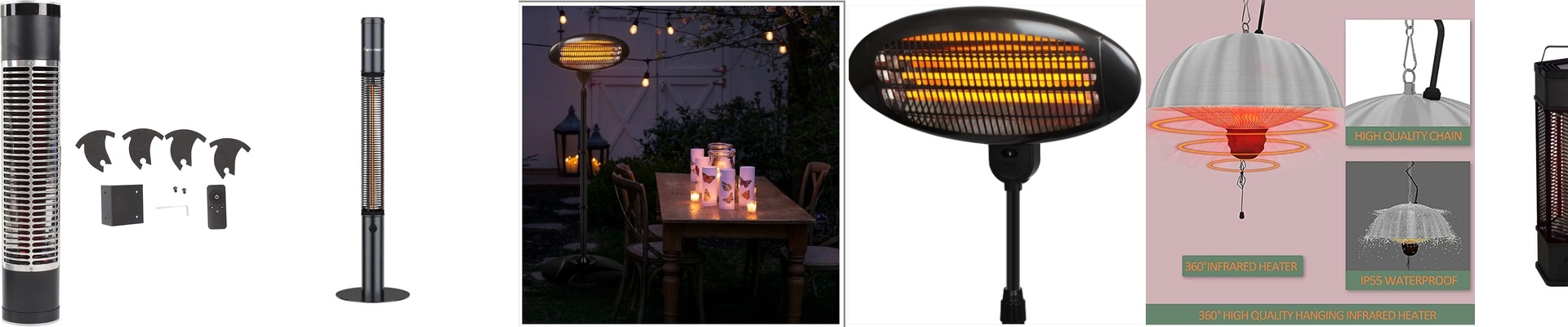
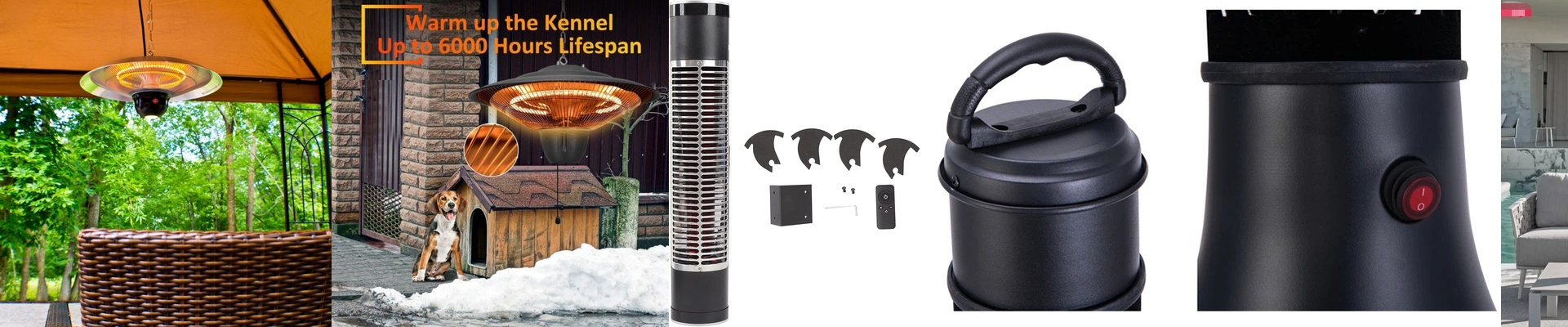
Outdoor gear takes a beating. Rain, wind, dust—it’s a mess out there. That’s why we use IP65-rated housing. In plain English? It means the units are dust-tight and can handle a heavy rainstorm without breaking a sweat. We seal every junction and socket tight. If you don’t, moisture creeps in, the contacts rust, and your lamps burn out way faster than they should. Nobody wants to be climbing a ladder to replace a bulb in the middle of a dinner rush.
Why Shortwave?
We always go with shortwave IR for restaurants. Why? Because it’s instant. You don’t have to turn them on two hours before opening to “warm up” the patio. You flip a switch, and boom—it’s warm. The heat sinks deep into clothing and skin, creating a cozy little bubble around the table. Even when the wind is biting, your guests stay put.
The Bottom Line: Happy Guests Stay Longer
Here is the real secret: heat equals money. When people are comfortable, they linger. They don’t rush through their main course just to get inside. They order that extra round of drinks. They actually look at the dessert menu. By keeping the “chill” away from your high-traffic areas, you keep the tables full and the turnover steady, even in the dead of winter.
A Quick Warning on Power
One thing to watch out for: these high-wattage arrays pull a lot of juice. Before you start wiring everything up, take a look at your breaker panels. If you plug too many 2000W units into one circuit, you’re going to trip the mains right when your restaurant is packed. It’s a nightmare. We usually suggest running dedicated circuits for each heating zone. It’s a bit more work upfront, but it means you won’t be sitting in the dark and cold on a Friday night.