How to Pick the Right Infrared Heater for Your Bathroom
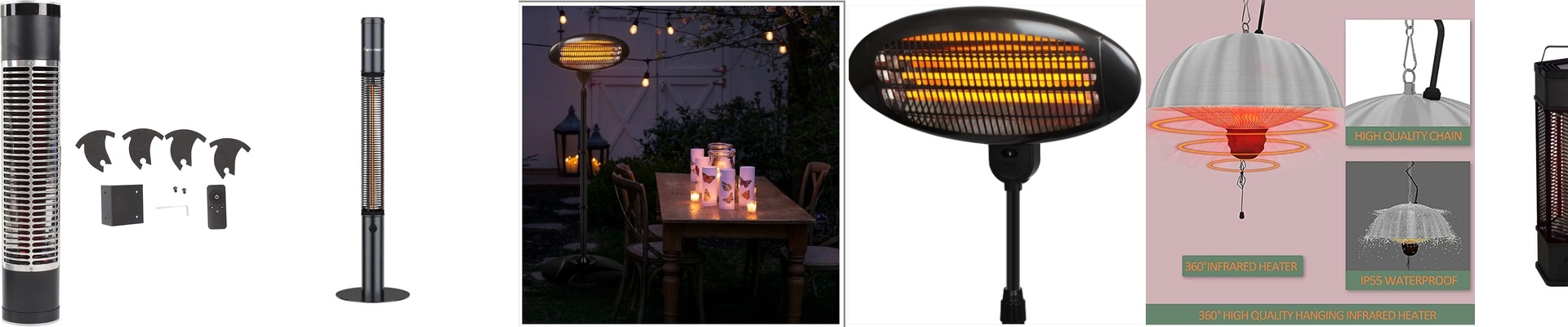
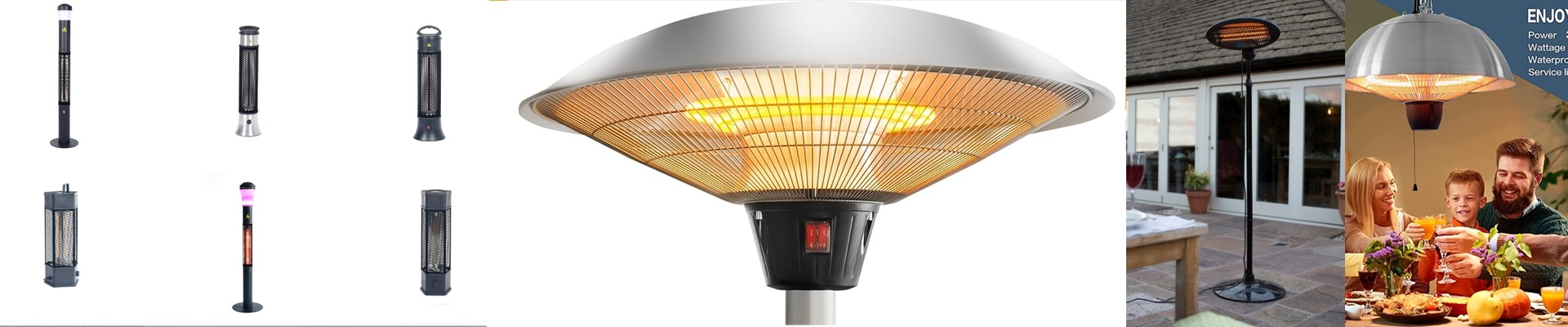
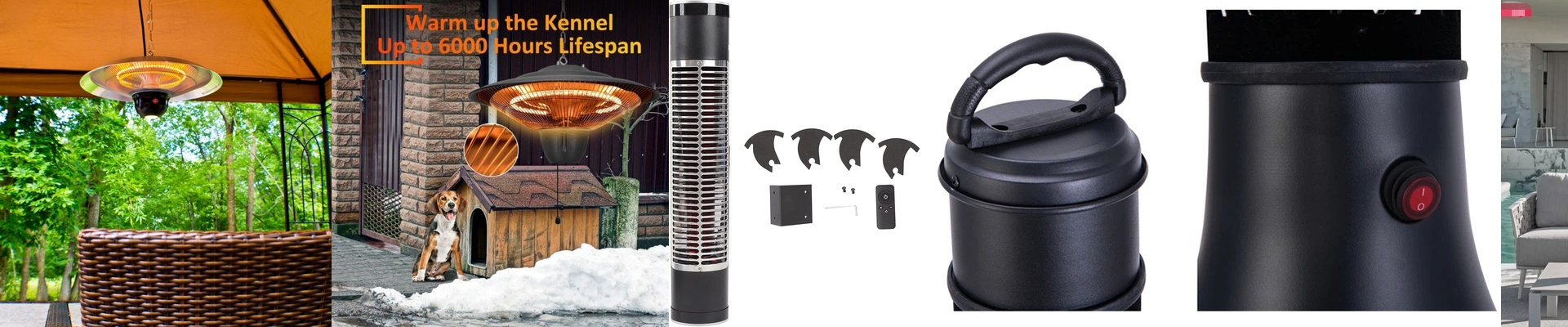
Let’s be honest: nobody likes stepping out of a hot shower into a freezing bathroom. It’s a shock to the system. That’s why we use short-wave infrared. Unlike those old-school heaters that try to warm up all the air in the room, these go straight for the target. They heat you and the surfaces around you instantly. It feels like stepping into a patch of sunlight on a winter morning.
Getting the Power Right
You can’t just grab any heater and hope for the best. If you put a powerhouse unit in a tiny powder room, you’re going to turn that space into a sauna in about thirty seconds. For those small spaces (under 4m²), stick with something around400W to 600W. It’s plenty to keep you cozy without making you sweat. If you’ve got a larger primary bathroom (6m² to 10m²), you’ll want more muscle—somewhere between800W and 1200W. Here is the thing: if you go too big, the thermostat will keep clicking on and off every few seconds. That “short-cycling” just wears out the parts faster. On the flip side, if you go too small, the heater will run non-stop, trying to hit a temperature it can’t reach. That’s a great way to burn out your bulb and waste a bunch of electricity.
Dealing with Steam and Splashes
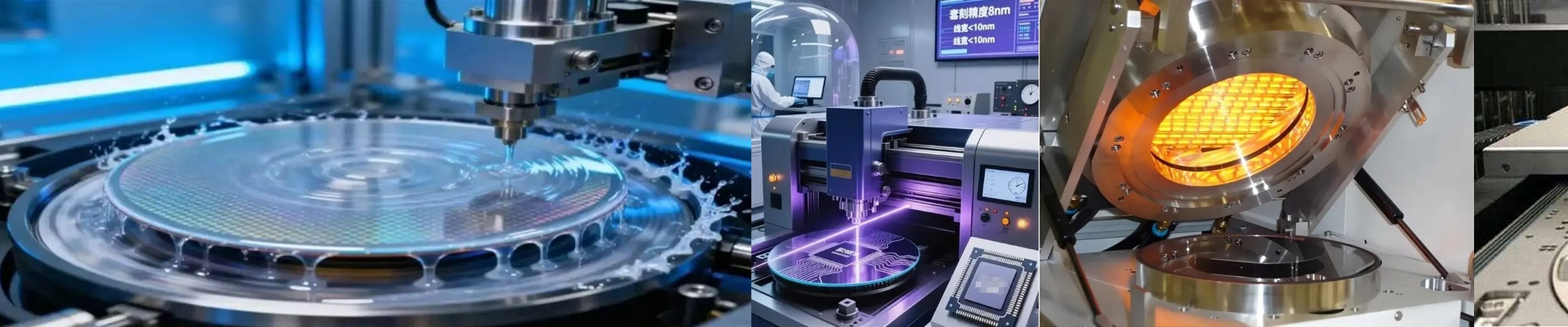
Bathrooms are tough on electronics. Between the steam and the occasional splash, things can get messy. We use quartz glass with special coatings so the lamps can take a beating. While the housing is built to keep the electricity safe and dry, it’s the glass itself that handles the “thermal shock”—that wild jump from cold to hot. And because we use short-wave IR, the heat cuts right through the humidity. You don’t have to wait for the room to “warm up.” You flip the switch, and you feel it immediately.
A Quick Warning on Installation
More power means more heat in one spot. If you’re squeezing a 1500W unit into a tight corner, just make sure the nearby walls or fixtures can handle that kind of heat. Also, do yourself a favor and check your circuit load. If you’re wiring up a few high-wattage lamps on one line, you might find yourself staring at a tripped breaker right when you need the heat most. Better to check the wiring now than to be shivering in the dark later.