
Stop Fighting With Your Bathroom Heater
We’ve all been there. You step out of a hot shower into a freezing bathroom, and that old halogen “light-warmer” just isn’t doing the job. Or worse, it flickers and dies because a bit of steam got where it shouldn’t. Those old lamps just aren’t built for the humidity of a real bathroom. The filaments burn out way too fast, and the seals are usually a joke. That’s why so many people are switching over to waterproof infrared systems. They actually handle the moisture without blowing a fuse.
Why Infrared Actually Works
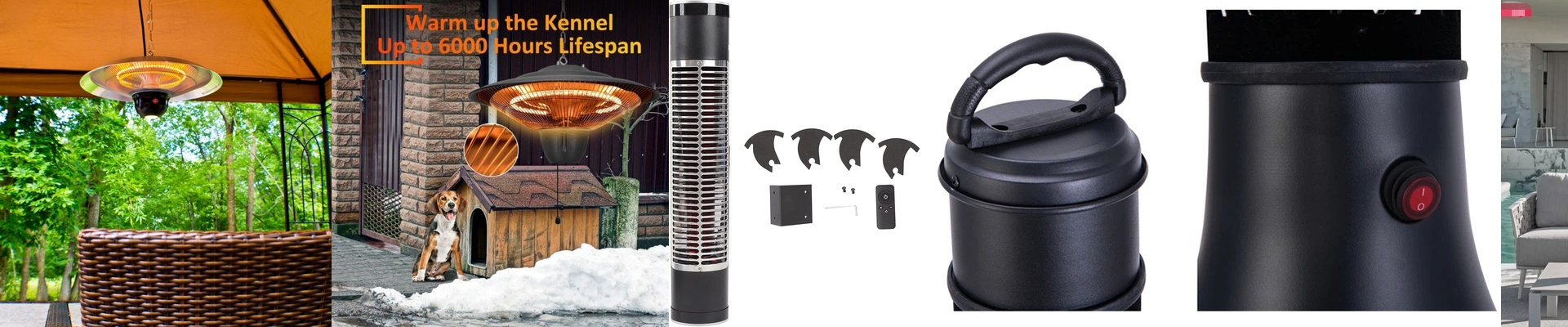
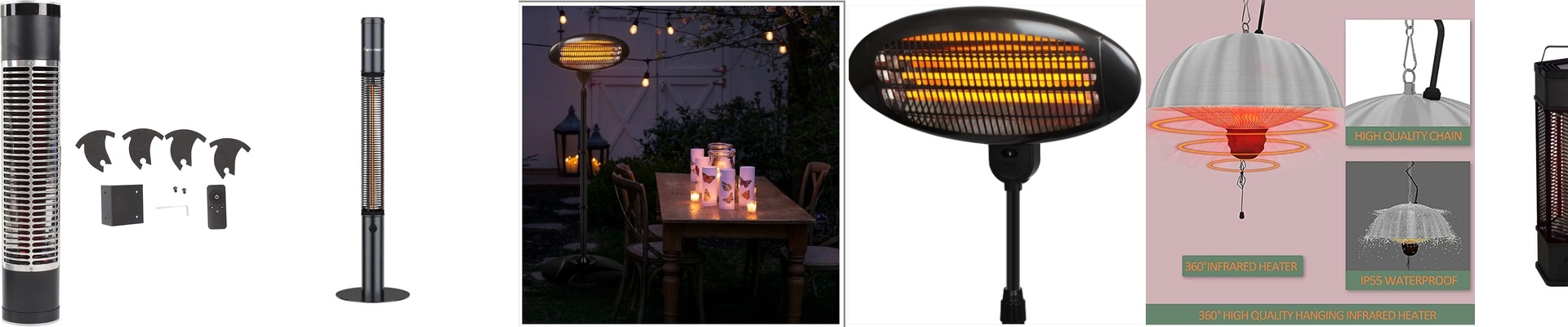
Here is the thing about standard heaters: they usually leak at the gaskets or where the wires go in. Waterproof infrared units are different. They use sealed quartz tubes and heavy-duty housings that keep steam and direct splashes out. But the real magic is how they heat. Instead of trying to warm up the air—which is a losing battle in a damp room—these units send heat directly to your skin and the surfaces around you. It feels like standing in a patch of sunlight. Even if the room is damp, you feel the warmth instantly.
Getting the Seal Right
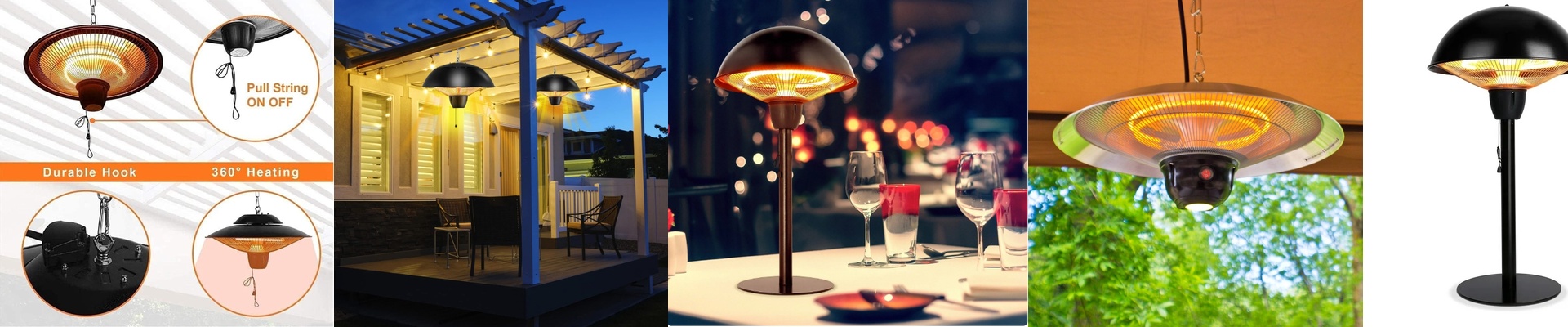
You can’t just throw a plastic cover over a regular lamp and call it “waterproof.” That’s a recipe for a disaster. To make these things survive in a shower zone, we use reinforced cable glands and silicone gaskets. The goal is to keep condensation from pooling on the electrical terminals. If a drop of water hits a live wire, your RCD is going to trip immediately, and you’re back to shivering in the dark. High-IP rated units solve this by basically locking the electrical guts away from the humidity.
The Trade-offs (What to Watch For)
The best part? There’s no waiting around. You flip the switch, and it’s hot. Right now. But before you swap your old bulbs for these, check your circuit. These units pull more current than a simple light bulb, so make sure your wiring can handle the load. And one quick tip:don’t cram the heater flush against the ceiling. Because the housing is sealed tight to keep water out, it traps heat inside the unit. If there’s no room to breathe, you risk frying the internal wiring over time. Leave a small gap for some airflow, and the electronics will stay happy.