How to stop your outdoor heaters from dying early
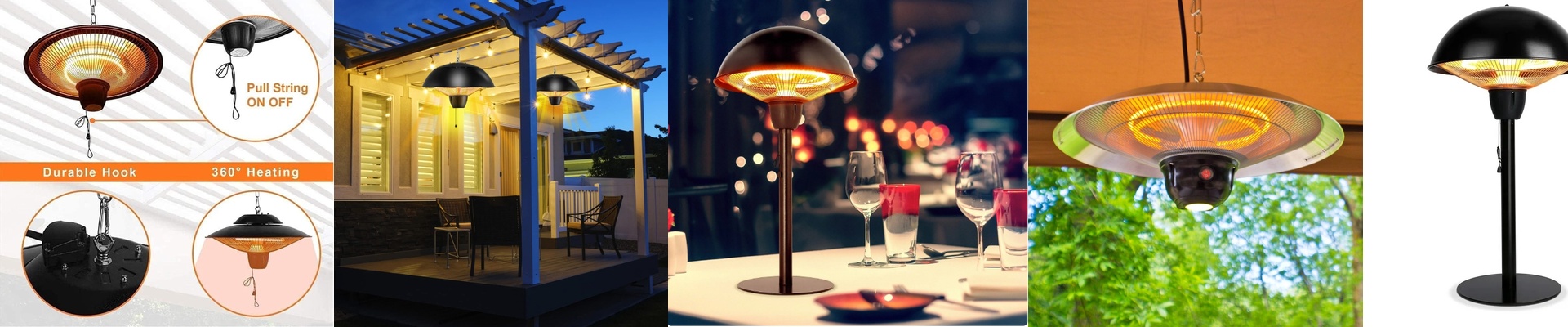
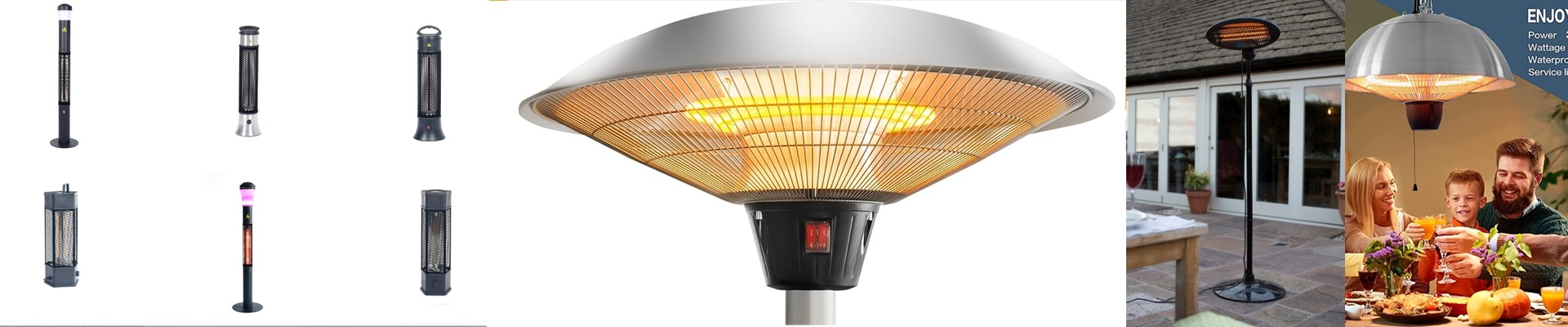
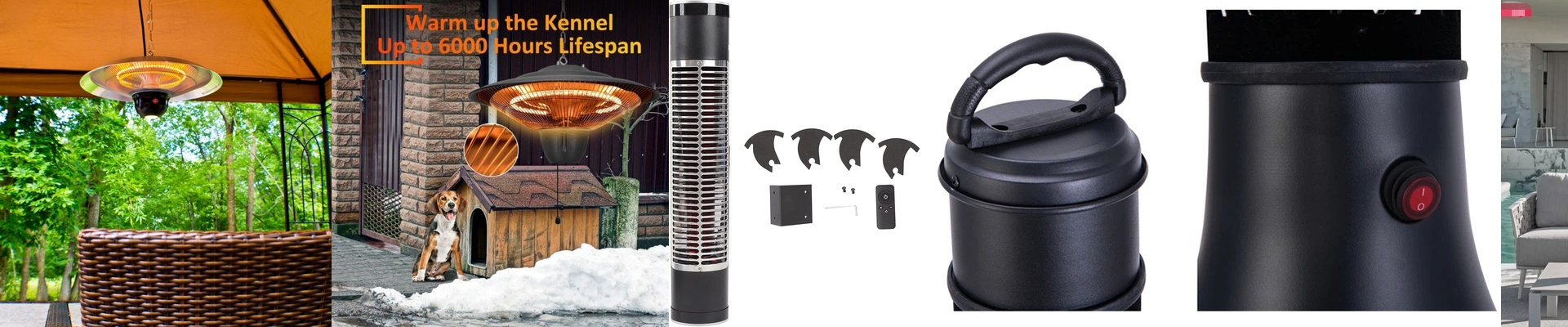
Putting infrared heaters in a pergola sounds like a great idea until the weather hits. Between the humidity, the weird condensation, and that sideways rain we all love, most indoor heaters just can’t hack it. They burn out fast because moisture sneaks into the electrics or settles on the heating element. One wrong drop, and you’ve got a short circuit or a cracked tube. Keeping the water out We don’t just slap a plastic cover on these things and call it a day. That doesn’t work. Instead, we focus on the seals. We use high-temp silicone gaskets where the wires go in and around the reflector. Here’s the thing: on those super humid nights, water can actually “creep” into the circuitry as a fine mist. Plus, when a heater clicks on and off, it creates a little vacuum that sucks moist air right inside. Our design handles that airflow so condensation doesn’t just sit there on the quartz tube. Built for the elements We use a specific kind of quartz glass for the heating elements. Why? Because if a drop of cold water hits a red-hot tube, it can snap instantly. To stop that, we tweaked the shape of the reflector to act like a shield, keeping vertical drips away from the glass. And the chassis? It’s powder-coated. It means you won’t look up next spring only to find your heater has rusted through after one winter. A few things to keep in mind Now, waterproofing comes with a trade-off. A sealed unit is a bit bulkier, and since it’s tighter, the internal electronics run a little hotter than they would in an open-frame model. Just make sure your mounting bracket has enough breathing room so you aren’t overheating your pergola’s beams. One last tip: please, wire these into a GFCI-protected circuit. Even with the best seals in the world, the outdoors are unpredictable. Proper grounding is the only way to make sure everything stays safe when the heavy snow or rain moves in.