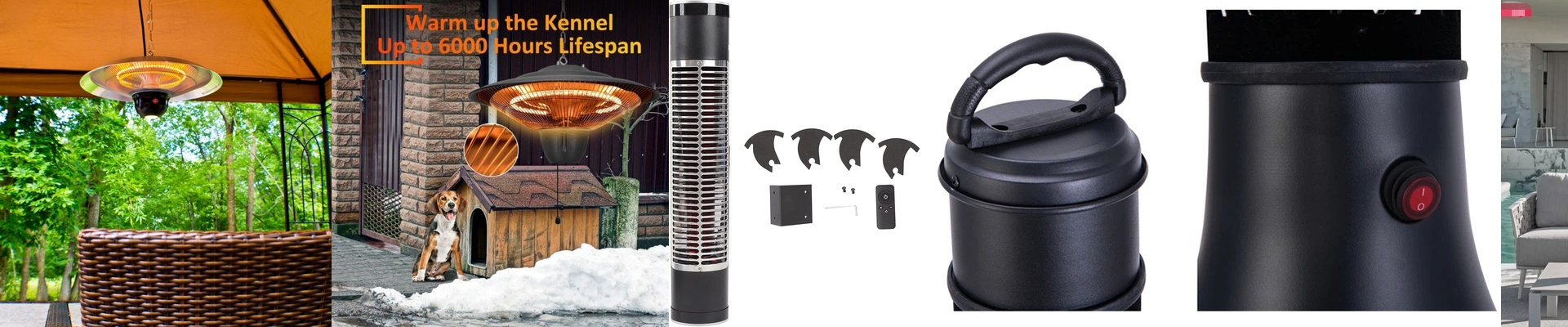
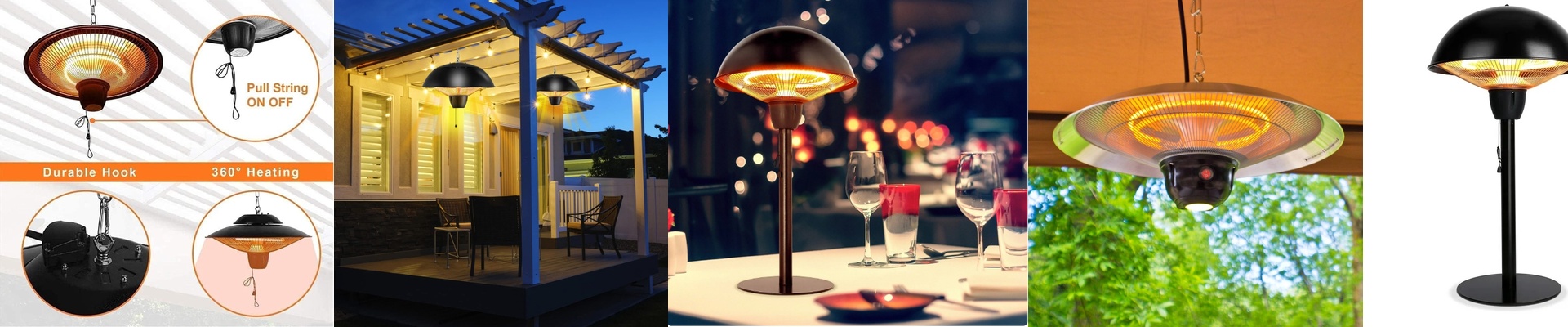
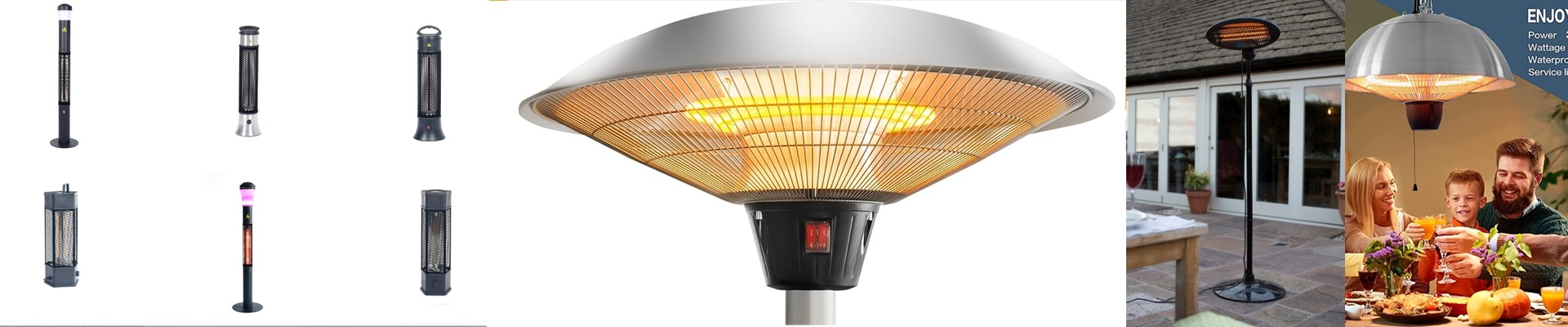
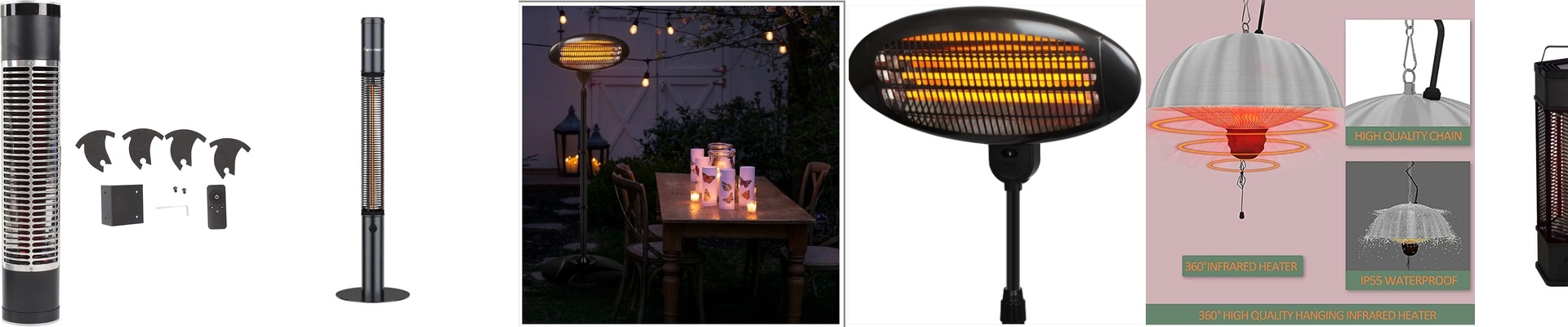
Infrared Balcony Heaters: Warmth That Actually Makes Sense
We built these balcony heaters with one simple goal in mind: get the heat where you need it, without throwing money away heating the empty air. You might be wondering, do these things actually save electricity? Forget the marketing hype. It all comes down to how the heat is made and where it goes.
The Secret is in the Science, Not the Sales Pitch
Here’s the thing about how these heaters work. They use powerful lamps to create radiant heat. It’s not about warming the air around you. It’s about warming you directly. We design our units to work in the real world, not just on paper. They come in power ratings from 800W up to 2500W. You can plug them into a standard 220V-240V outlet, or go bigger with a 400V option for more serious setups. The wattage is what determines how much heat hits your skin, not how warm the air feels. A 2500W unit throws out a serious burst of warmth. The result? You feel the comfort almost instantly. Just a heads-up, though: more power means it pulls more current. So you need to make sure your wiring and breakers are up to the job.
The Tough Stuff Hidden Inside
We use halogen-filled quartz tubes because they’re built to last. They can handle extreme heat and give you that steady, dependable glow. That halogen cycle inside keeps the heating element clean, so it doesn’t get that blackened look over time. The output stays strong, year after year. And the quartz tube itself? It handles the shock of turning on and off way better than regular glass. That’s a big deal when you’re cycling the heat day after day. For the connections, we use R7s connectors. They snap in securely and stay put, even with a bit of vibration and temperature changes. It means fewer headaches on install day, and if you ever need to replace a part, it’s a simple swap.
The Real-World Win: Comfort Without the Waste
Think about a balcony. It’s not a sealed box. Heating the air out there is a losing battle. Infrared heat cuts through all that. It warms people and surfaces directly, so the energy goes right where you need it. In practice, that can cut your total energy use by up to 30% compared to a regular convection heater. You get warmth faster, your bills are lower, and the unit itself is compact. Just keep one thing in mind: infrared needs a clear line of sight. If something gets in the way, it blocks the heat. So you have to plan your layout, but once you do, the system just works.