
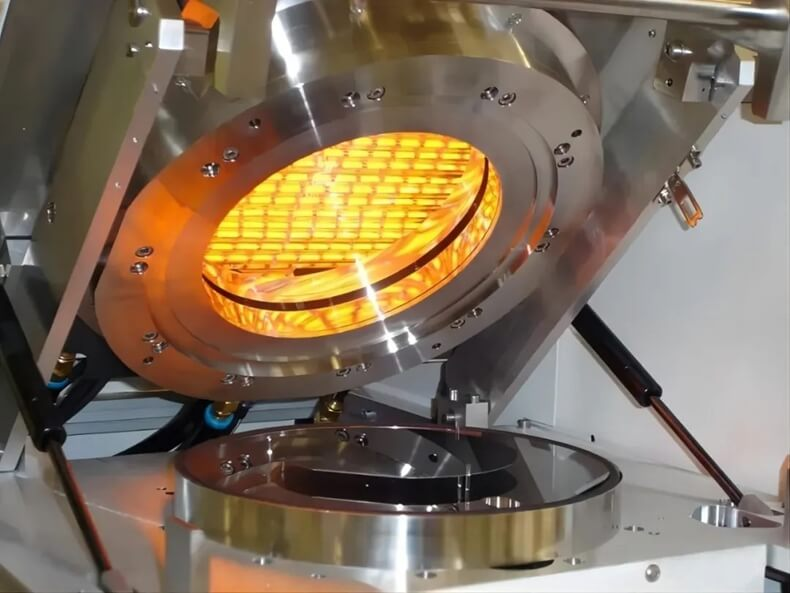
Stop the Shrapnel: Keeping Your Wafers Clean During IR Drying
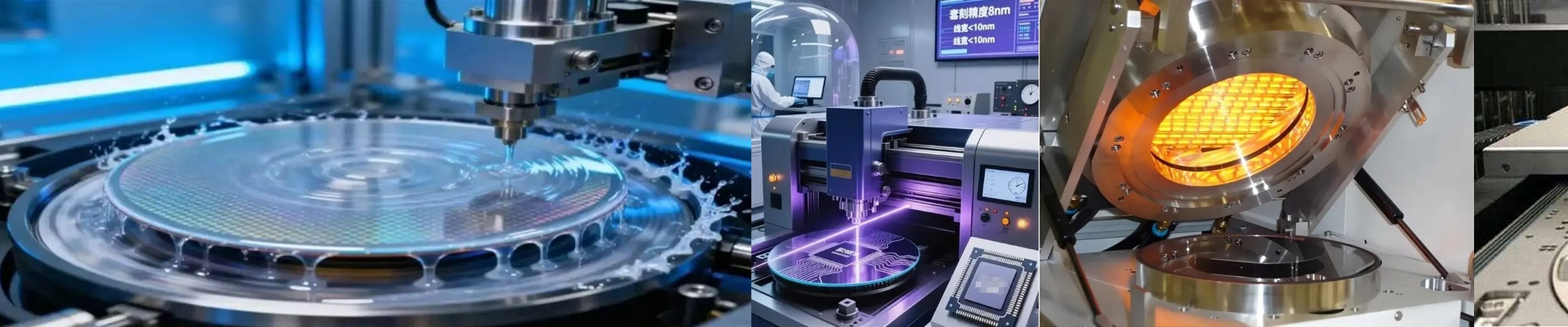
If you’re running MEMS sensor production, you know the drying stage is where things can go south fast. Imagine this: an infrared lamp pops under a heavy load. Suddenly, you’ve got glass shards and tungsten filaments raining down on your wafers. It’s a nightmare. One burst lamp doesn’t just break a part; it wipes out the entire batch. We’ve spent a lot of time figuring out how to stop that from happening. Why lamps actually fail Usually, it comes down to thermal stress or some nasty impurity in the quartz. To fix this, we use high-purity synthetic quartz. It helps the heat spread evenly across the tube. We also obsess over the filament centering. If that filament is even slightly off, you get “hot spots.” That’s where the quartz softens, weakens, and eventually just gives up. Building a safety net To keep debris away from your wafers, we don’t just hope for the best. We add a protective quartz sleeve or a shatter-resistant coating. Think of it as a physical shield. If the halogen lamp inside fails, the outer shell catches everything. The mess stays inside the tube, and your wafers stay clean. Then there are the ends. We use reinforced end-caps and connectors that actually fit. This stops electrical arcing. Arcing is a double whammy—it kills the lamp and sends metallic dust drifting all over your drying chamber. The balancing act Here’s the thing: high-density IR heating is always a trade-off. Sure, you can crank up the wattage to dry things faster. But that pushes the quartz closer to its breaking point. This is where your cooling fans come in. You’ve got to make sure they can handle the heat soak around the mounts. If the airflow is too weak, heat builds up at the seals and your lamps will die way sooner than they should. We build these for 24/7 fab environments. You get the IR output you need, and more importantly, you get to keep your yield high because the junk stays out of your process.