Cutting Carbon in the Cleanroom: Why IR is the Way to Go
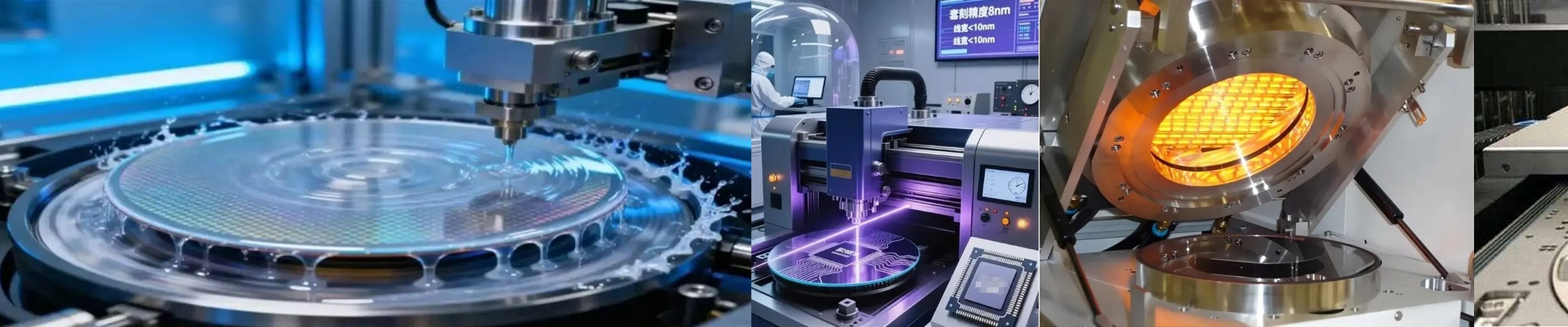
Most semiconductor ovens still rely on convection. Basically, you’re heating up a giant bubble of air just to get a wafer warm. It’s slow. It’s wasteful. And honestly, it’s a bit outdated if you’re actually trying to build a “green” factory. That’s why we’re seeing a big move toward infrared (IR) heating. The secret is in how the energy moves. With convection, you’re waiting on the air. With IR, the energy travels via electromagnetic radiation. It goes straight into the substrate. You aren’t wasting money heating every cubic inch of the cleanroom just to process a few wafers. We use shortwave IR emitters to get things hot, fast. Because the ramp-up is so quick, the whole cycle finishes sooner. When the machine runs for fewer hours to hit your targets, your carbon footprint naturally shrinks. But you can’t just slap a lamp in an oven. Cleanrooms are picky. To keep things pristine and avoid outgassing, we use high-purity quartz envelopes. We also have to get creative with the layout—fitting these lamps into tight spaces without messing up the cooling airflow is a bit of a puzzle. Then there’s the “goldilocks” problem. You need enough heat to be efficient, but too many watts in one spot and you’ll warp the wafer or cause thermal shock. We spend a lot of time tuning the wavelength so it perfectly matches the materials you’re actually working with. The catch? Cooling. High-wattage IR systems move a massive amount of heat. It’s great for speed, but it puts a real strain on your facility’s cooling gear. If your heat exchangers aren’t up to the task, your ambient room temperature will start to drift. You’ll also want your PID controllers dialed in perfectly. If they’re off, you’ll overshoot your target temperature, and that’s a headache nobody wants. At the end of the day, switching to IR is about killing the lag. When you stop relying on air to do the heavy lifting, that’s when the real energy savings kick in.