Why Your Bathroom Heater Needs Explosion-Proof Quartz
Think about your morning shower. You’ve got the heater cranking, the room is steaming, and then—splash. A bit of cold water hits that white-hot heating element. In a cheap heater, that’s a recipe for disaster. When ice-cold water hits scorching glass, the glass can just… snap. It’s called thermal shock, and it’s exactly why you don’t want random shards of glass raining down on you while you’re scrubbing your hair. That’s where explosion-proof quartz comes in.
The science (without the textbook)
Standard quartz is fine for a living room, but bathrooms are a different beast. We use a specific kind of quartz that’s built to handle those wild temperature swings. It’s reinforced at a molecular level, meaning it can take a hit of cold water without freaking out and bursting. It’s basically the difference between a regular glass and a piece of heavy-duty cookware. One cracks; the other just keeps working.
How it actually feels
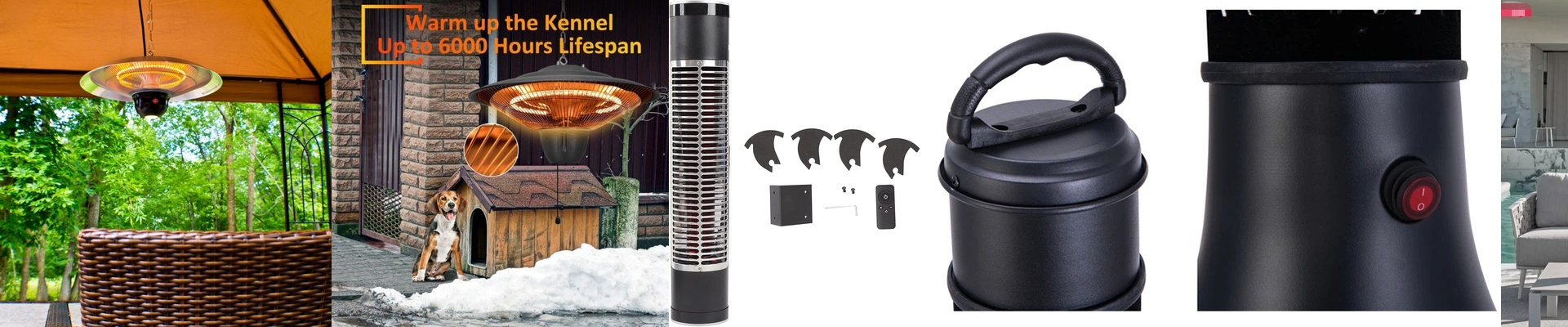
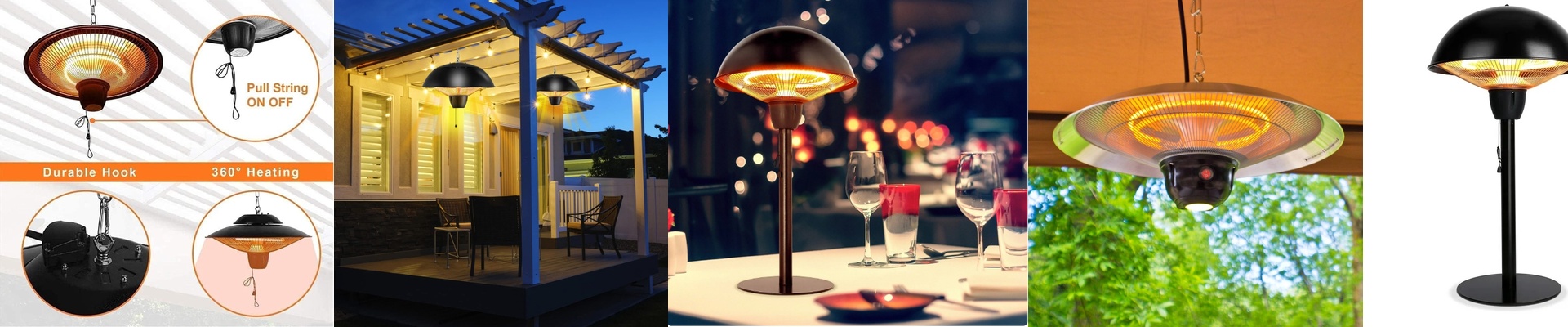
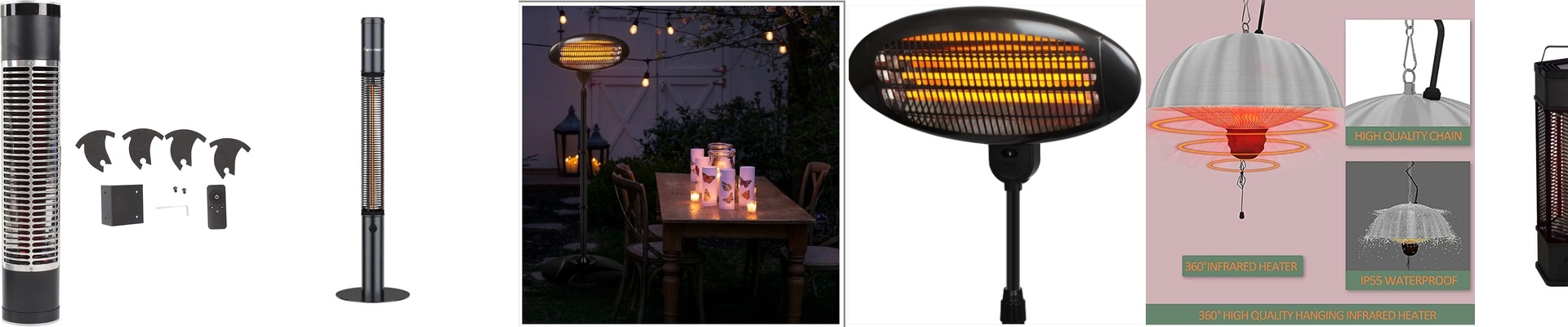
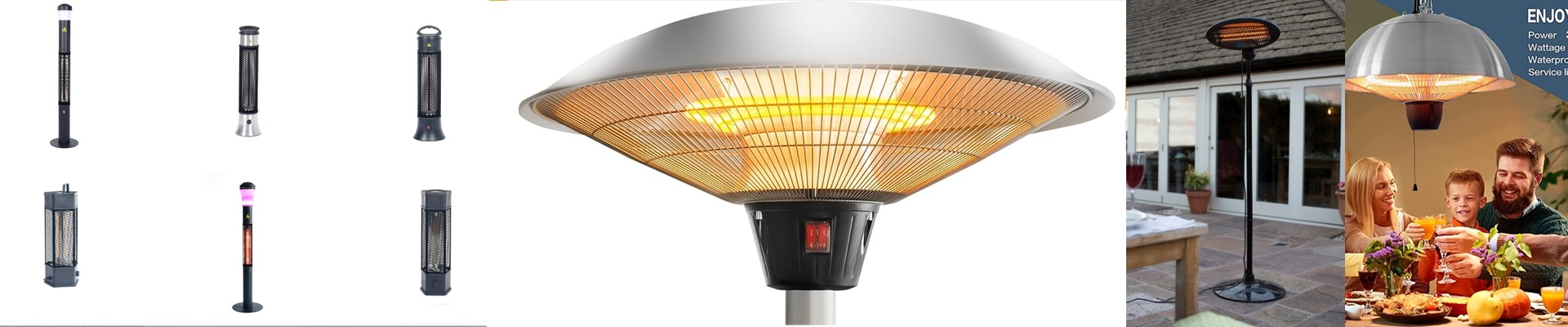
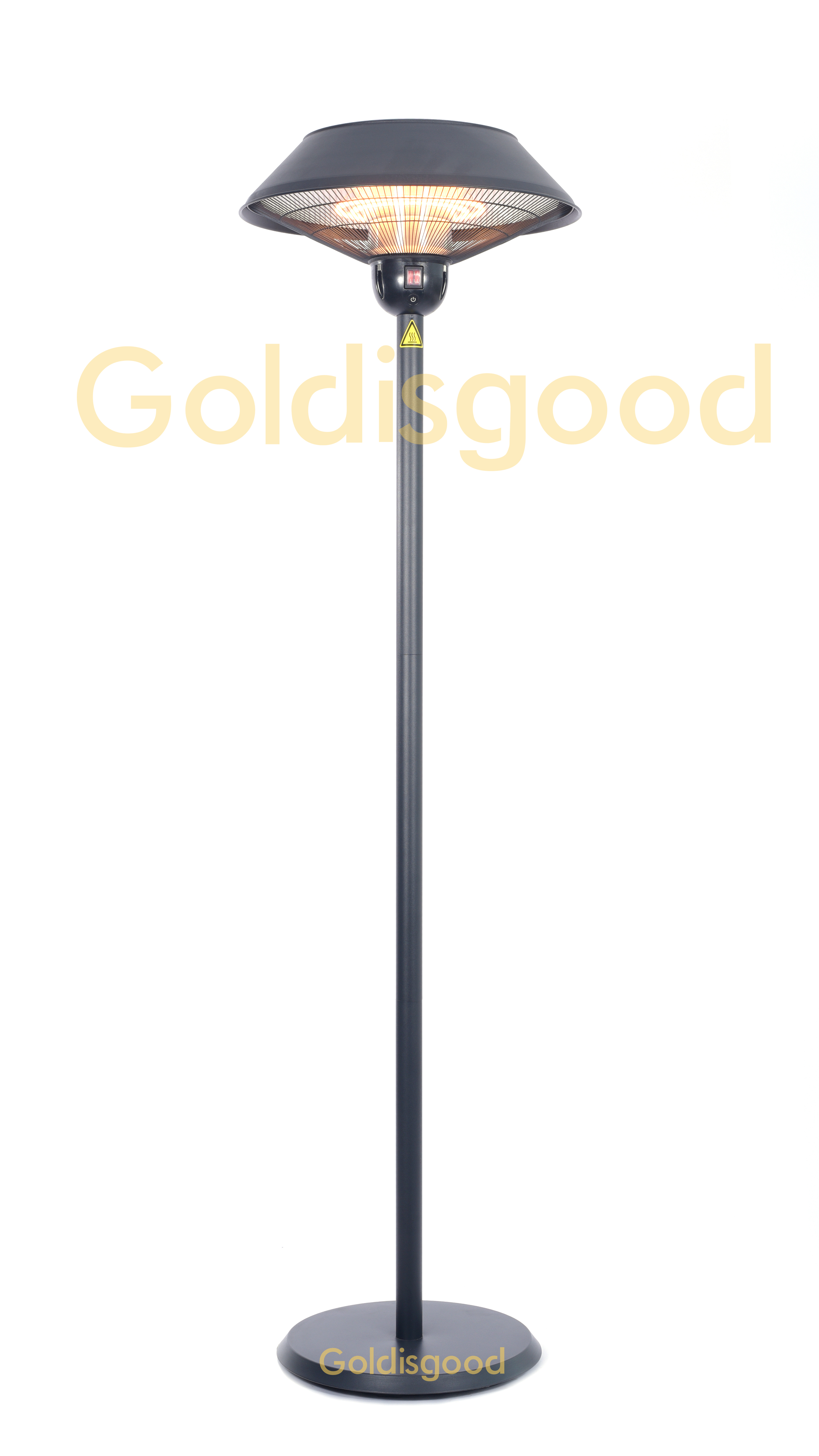
These heaters use shortwave infrared. If you’ve never used one, it’s a great feeling. Instead of waiting for the whole room to warm up (which takes forever), the heat hits your skin instantly. It feels like stepping into a patch of sunlight on a cold day. To make this work, we tuck the tubes into recessed housings. We have to make sure the seal is airtight. Why? Because steam is sneaky. If moisture leaks into the guts of the heater, your wiring will corrode, and you’ll be looking at a short circuit.
A few things to keep in mind
If you’re installing one of these,get your measurements right. If the ceiling cutout is too loose, the unit will vibrate. That might not sound like a big deal, but that constant shaking puts a lot of stress on the quartz tube. Also, keep in mind that these tubes don’t last forever. You’ll notice the heat isn’t as “punchy” as it used to be—that’s just the filament thinning out over time. One last pro tip: check your circuit breaker. When these heaters first kick on, they pull a big surge of power. If your electrical setup is old, that initial “cold start” might trip the switch. Just make sure your wiring can handle the jump.