Stop Wasting Heat: Why Your IR Setup Needs Better Reflectors
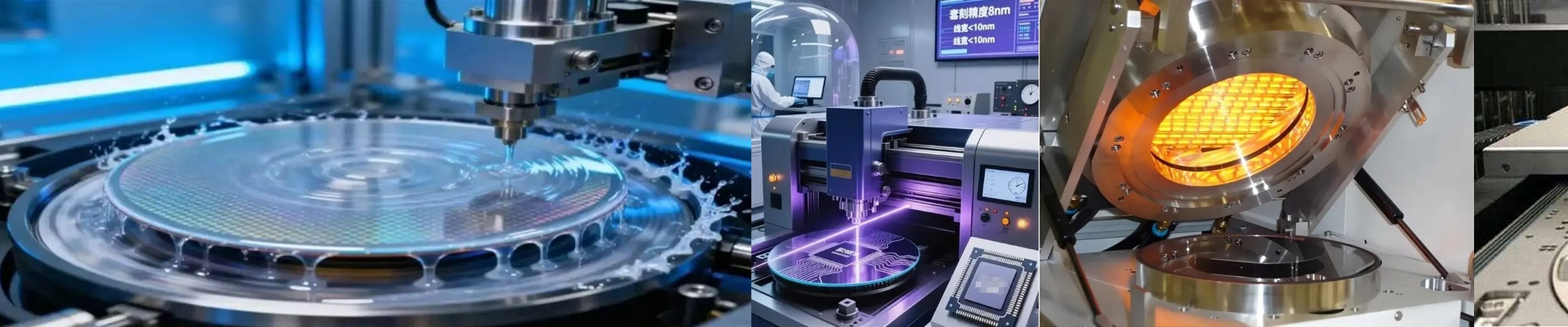
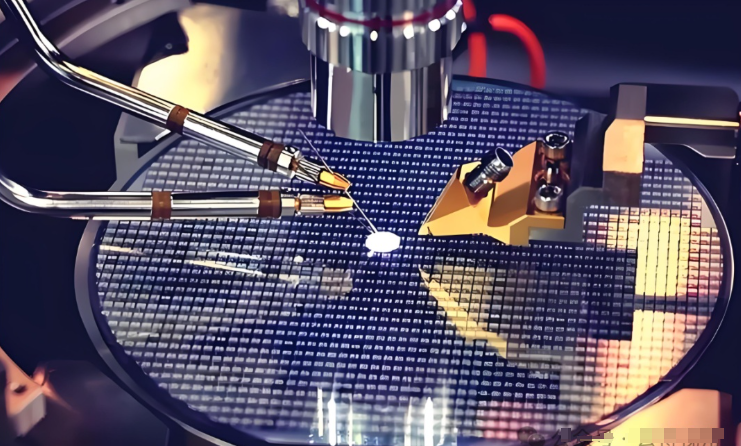
Let’s be honest: in a semiconductor fab, wasted heat is just money and carbon disappearing into thin air. If your IR lamp systems are bleeding heat into the machine chassis, you’re fighting a losing battle. The fix is simpler than you’d think. You use aluminum reflectors to catch that escaping heat and shove it right back onto the wafer. It turns a chaotic spray of radiation into a targeted beam. That’s how you actually lower your power bill and make the “green factory” thing a reality, not just a corporate slide deck. The logic is pretty basic. A standard lamp throws heat in every direction—360 degrees. Without a reflector, you’re losing half your energy before it even hits the target. We use high-purity aluminum because it’s incredible at bouncing back short and medium-wave IR. When you pair a quartz lamp with a precision-curved aluminum housing, you’re reclaiming that lost energy. You get way more heat density on the surface without having to crank up the wattage. It’s a win-win. But it’s not just about the bounce. Aluminum is a beast at moving heat. It pulls the warmth away from the lamp ends, which keeps your sockets from frying. Plus, it’s light. It doesn’t warp or buckle when things get scorching hot. One heads-up, though: aluminum hates humidity and corrosive gases. It oxidizes. Over time, that thin layer of oxide will eat away at your reflectivity. If you notice your efficiency dipping, it’s time for a cleaning or a switch to anodized coatings. The big picture? If you want to hit carbon neutrality, you have to lower the “watts per wafer.” When the reflector geometry is dialed in, you can actually drop the lamp temperature and still keep your process speed exactly where it needs to be. And here’s the best part: lower temps mean your lamps last longer and your facility’s cooling chillers don’t have to work nearly as hard. It’s a simple mechanical tweak that cuts your kWh per cycle. Just smart engineering.