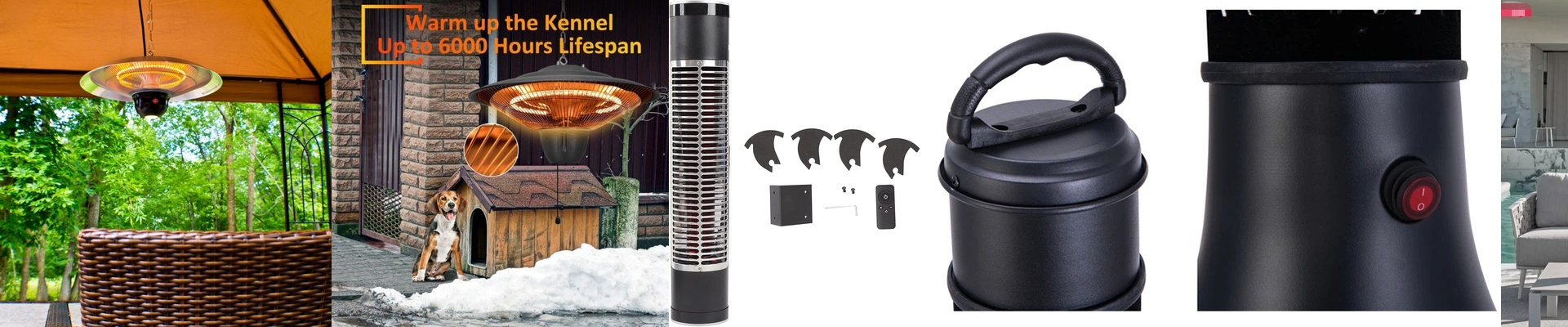

Why Most Outdoor Heaters Fail by Year Five (And How We Fixed It)
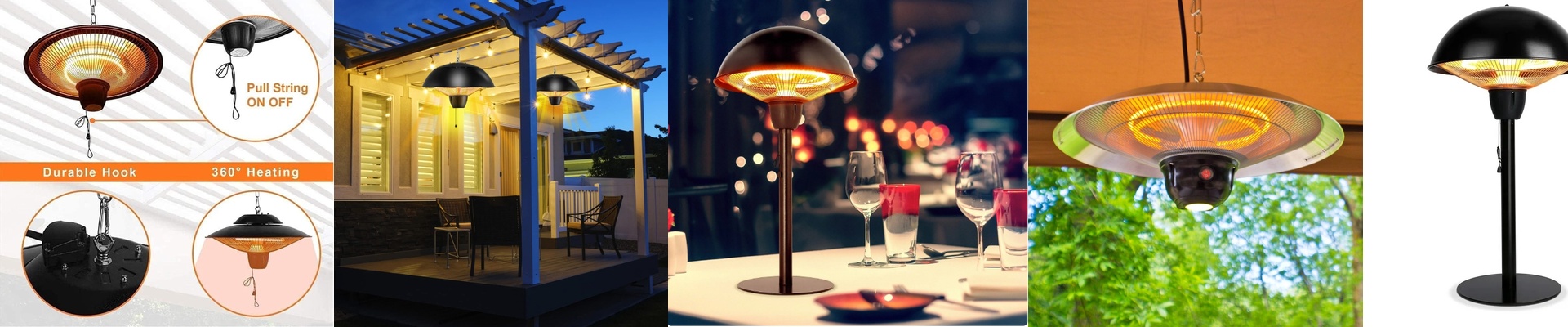
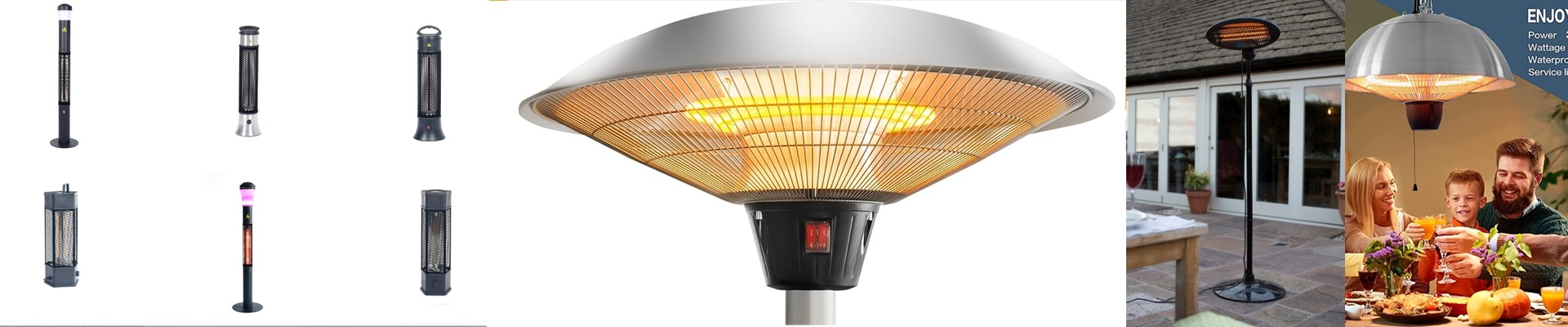
Almost every outdoor heater looks sharp when you first pull it out of the box. But the real test happens around year five. That’s usually when the heating elements start to give up the ghost. Here’s the problem: most high-end garden heaters are built to be “waterproof” (IP65 rated), which sounds great until you actually have to fix one. To keep the dust and rain out, manufacturers usually seal everything shut. Trying to get inside those units is a total nightmare. It’s like trying to perform surgery through a keyhole. So, we decided to stop building them as one big, sealed chunk of metal. Instead, we went modular.
The “Plug and Play” Approach
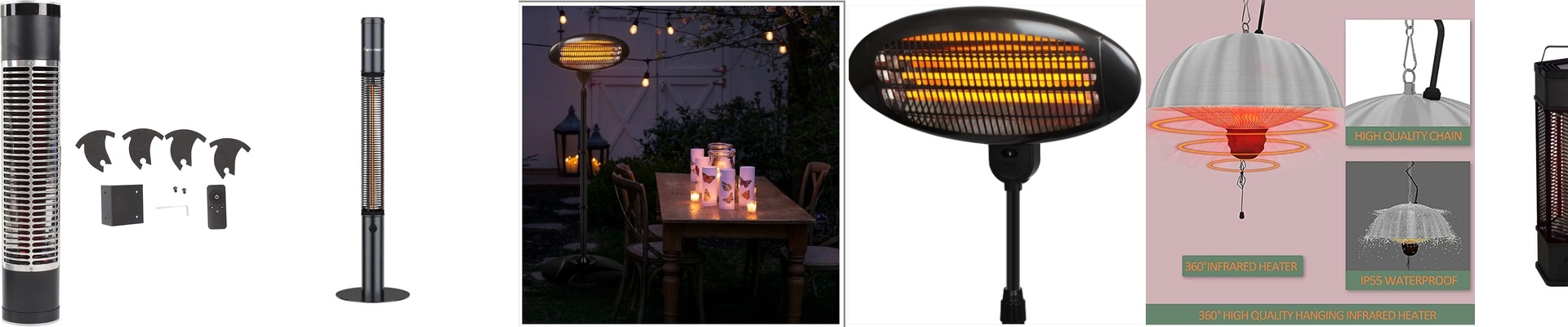
We treat our heating modules like standalone parts. Instead of soldering wires directly into a main control board—which is a pain to undo—we use simple, standardized connectors. If a tube burns out after a few brutal winters, you don’t have to toss the whole machine in the scrap heap. You just pop the housing, pull out the dead module, and click in a new one. It turns a grueling afternoon of dismantling weather shielding into a five-minute job.Fast. Simple. Done.
Making “Waterproof” Actually Work
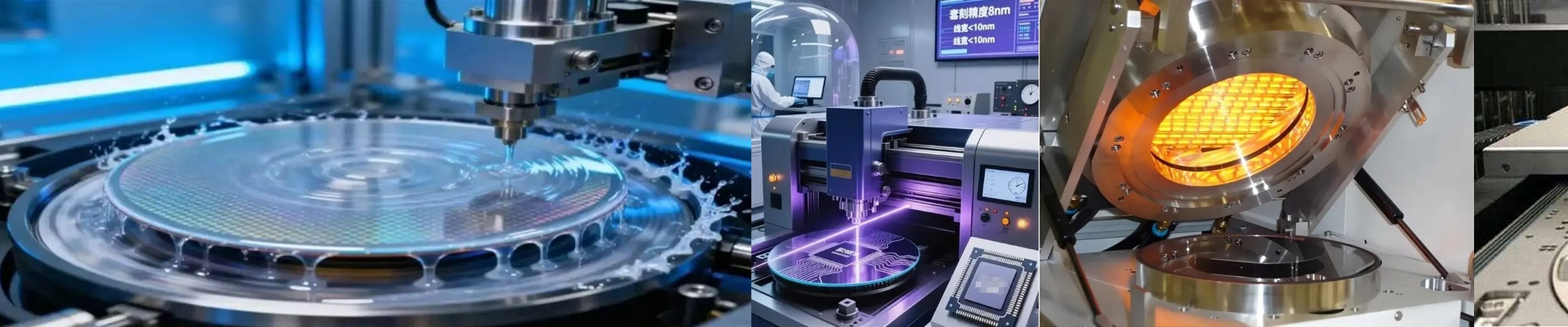
Usually, making something water-tight means using permanent glues or burying screws deep in the frame. We hated that. Instead, we use compression gaskets and frames that snap into place. This means the heater can still take a beating from a snowstorm, but a technician can actually get inside it without a blowtorch. Now, this isn’t easy to pull off. If those gaskets are off by even a fraction of a millimeter, the seal fails. We spent a lot of time on the precision machining of the housing just to make sure it stays dry without needing those messy permanent adhesives.
Stop Buying Disposable Appliances
At the end of the day, this changes the math for whoever is paying the bills. Whether you’re managing a commercial patio or just heating your own backyard, you stop thinking about “replacement” and start thinking about “maintenance.” You aren’t paying for a whole new set of electronics and a heavy metal shell every few years. You just replace the part that actually wears out—the tube. It turns the heater into a long-term tool rather than something you just throw away when one little wire snaps.