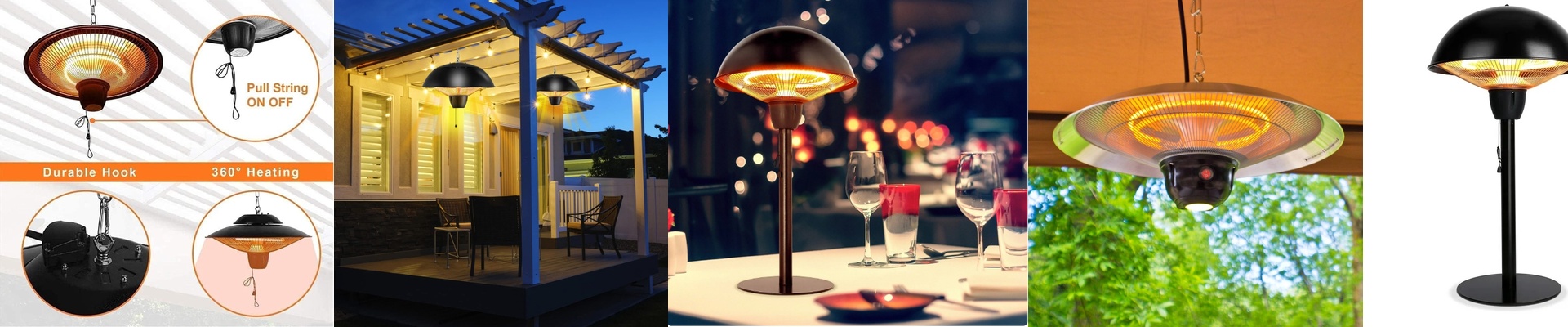
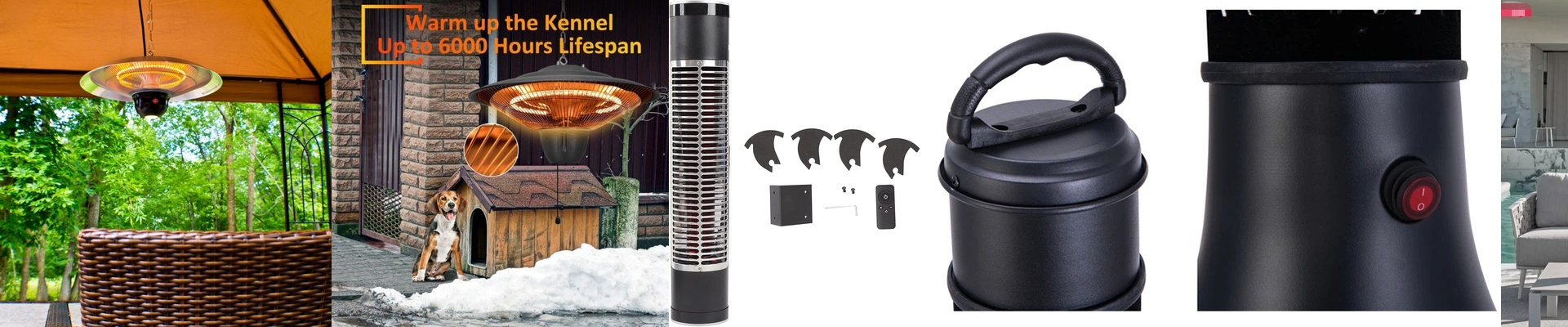
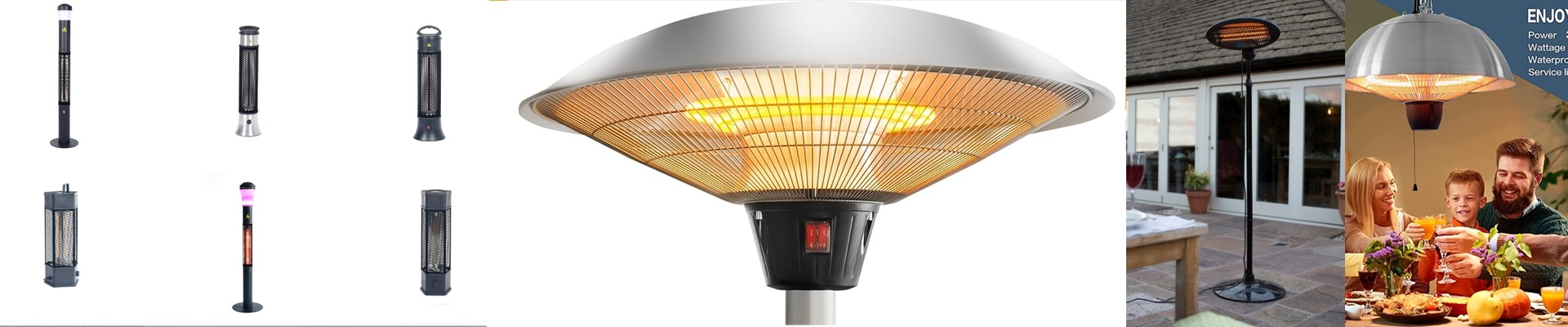
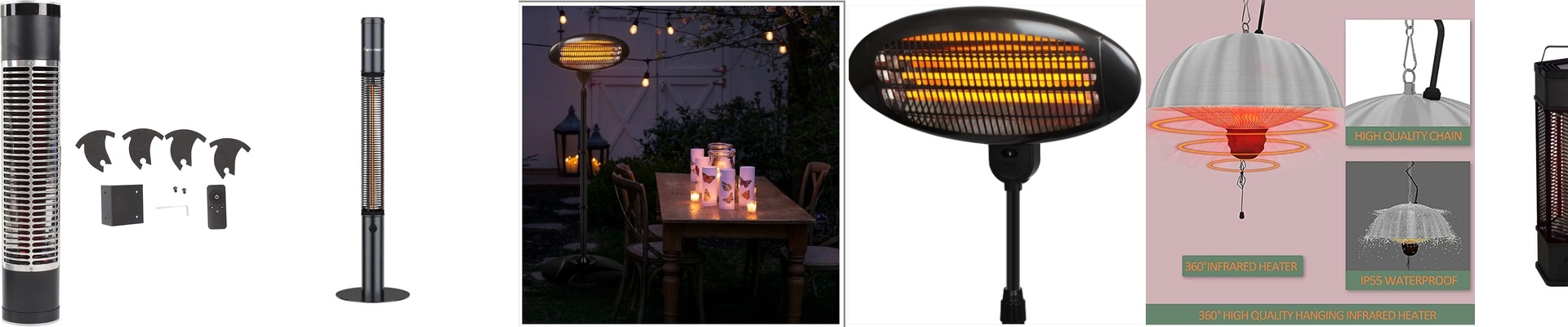
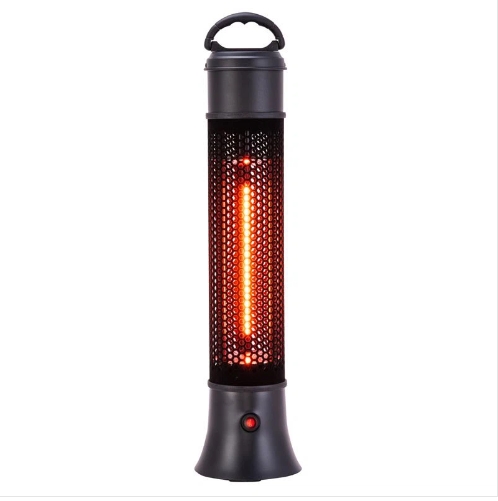
There’s a difference between waiting for heat and getting it the moment you need it. That’s the whole point behind our infrared home heaters—instant comfort, without the lag. And it’s built around a long-term mindset: make something that lasts, and keep materials out of the landfill. The aim is simple: reliable warmth, with a design that keeps the heater in service season after season. What’s actually under the hood We run on an infrared heating element that turns electricity into radiant heat, warming people and objects directly. The core is built from metal and select thermoplastics chosen for durability and recyclability, not just the cheapest upfront cost. Whether it’s a quartz tube or a carbon fiber element, the heat-up is fast—you feel it within seconds of flipping the switch. For home use, output is typically tuned around 1.5 kW to 2.0 kW. That’s enough to knock the chill off a cold room or stretch a patio evening without having to heat the whole house. The controls stay straightforward: an adjustable thermostat, a couple of heat settings, and the safety basics—like tip-over protection. Why this approach fits real life Radiant warmth is about targeted comfort, lower energy use, and fewer headaches. Because it focuses on the spots you actually occupy, you can keep the main thermostat lower and still feel cozy. For families, that means fewer drafts near the floor and a more even feel in those corners that always run cold. Outdoors, it turns an open patio into a usable space for more months of the year. And because we choose materials that hold up through repeated seasonal cycles, the heater doesn’t get replaced every other season. Here’s what to keep in mind Infrared heat is directional, so placement matters. Point it where you sit, and expect the warmth to be strongest in the beam, tapering off toward the edges. Indoors, maintain proper clearances and ventilation, and plug into a dedicated outlet on a circuit that can handle the load. Outdoor models need to be rated for the exposure. If your space is fully exposed to wind, pair the heater with a wind-deflecting enclosure. That keeps comfort consistent and the performance steady when the weather turns sideways.