
Keeping Your Mirror Heater Alive in a Steamy Bathroom
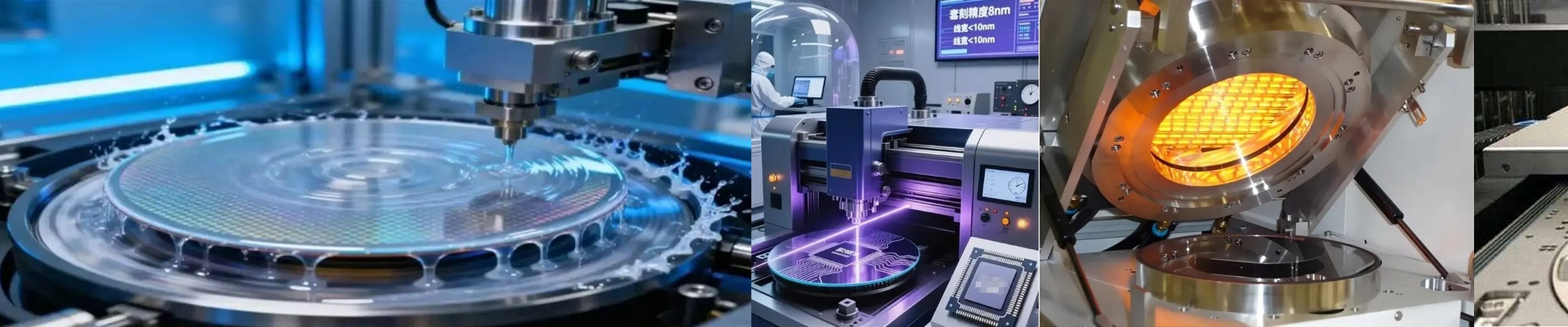
Let’s be honest: bathrooms are brutal on electronics. Between the thick steam and the random splashes of water, it’s basically a torture chamber for heating elements. Most heaters just can’t handle it—they rust, they short out, and they die. We spent a lot of time figuring out how to stop that from happening. The battle against the fog You know that annoying blur on the mirror after a hot shower? That happens because warm, wet air hits a cold piece of glass. To fix it, we use short-wave infrared emitters. Basically, we get the glass warm enough that the water can’t even decide to stick to it. But there’s a trick to it. If you just crank up the power without spreading the heat evenly, you end up with “hot spots.” That’s a bad move—it can actually stress the mirror backing and cause cracks. We’ve dialed in the wattage so it clears the fog fast, but keeps the glass safe. Keeping the water out Water getting inside the unit is the number one killer. Period. To stop this, we don’t just “hope for the best.” We use sealed housings and gaskets to keep the moisture where it belongs—outside. The heating elements are tucked away inside high-purity quartz glass, and we seal the connection points with heat-resistant silicone. It’s like giving the electronics a raincoat. And we didn’t forget the wires. We use cabling that won’t corrode, because there’s nothing worse than a circuit failing just because the air was too humid. The trade-off Here is the honest truth: adding all these seals and protective layers means the heat doesn’t hit the glass quite as instantly as it would with a totally exposed element. But it’s a trade we’re happy to make. Sure, an open element might be 10% faster, but it would probably burn out in a few months. By sealing everything up, we’ve pushed the lifespan from a few hundred hours to several thousand. It’s the difference between a product that’s a nuisance and one that just works for years. Just one quick tip: make sure you’re using a GFCI outlet. It’s a high-moisture environment, and playing it safe with your electrics is always the right call.