Getting Your Bathroom Heater Wattage Right
Ever stepped out of a hot shower and spent five minutes scrubbing a foggy Mirror with a towel? It’s annoying. That’s where infrared (IR) lamps come in. They don’t waste time heating up the air in the room; they shoot heat straight at the glass to clear that fog instantly. But here’s the catch: you can’t just grab the most powerful lamp on the shelf and call it a day.
Don’t Overdo the Power
I see engineers do this all the time. They over-spec the wattage because they think “more is better.” It’s not. If you put a massive 1000W lamp in a tiny powder room, you’re just wasting electricity. Worse, you might actually overheat the fixture or trip your breakers. For a small bathroom, something between 250W and 400W usually does the trick. It keeps the mirror clear and takes the chill off the room. If you’ve got a huge master bath, then yeah, go ahead and jump up to 600W or 1000W. Just make sure your wiring can actually handle the initial surge of power when you flip the switch.
The Technical Side (Simplified)
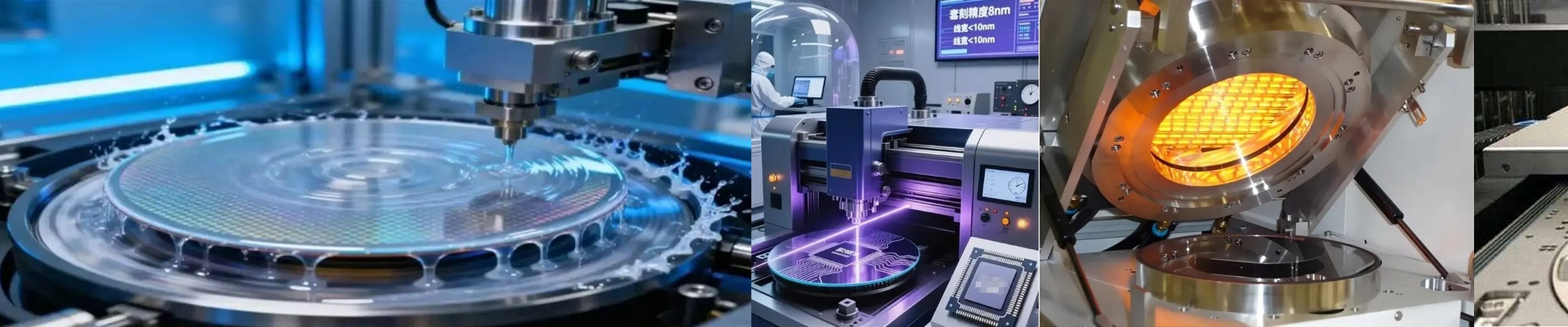
Short-wave IR is great because it’s fast. It hits the glass, the moisture evaporates, and you can actually see your face. We use quartz envelopes to keep the lamps from cracking under the heat. But keep this in mind: heat needs to move. If your lamp is shoved into an airtight box, that heat builds up at the base and fries the connectors. Give the lamp some room to breathe so it lasts longer.
Saving a Bit of Cash
If you’re just using a basic on/off switch, you’re probably wasting power. Try a timer or a humidity sensor instead. That way, the lamp only kicks in when it actually detects steam. Once the mirror is clear, it shuts off. It’s a simple tweak, but it keeps your electric bill from spiking.