Keeping Your Class 100 Fab Actually Clean
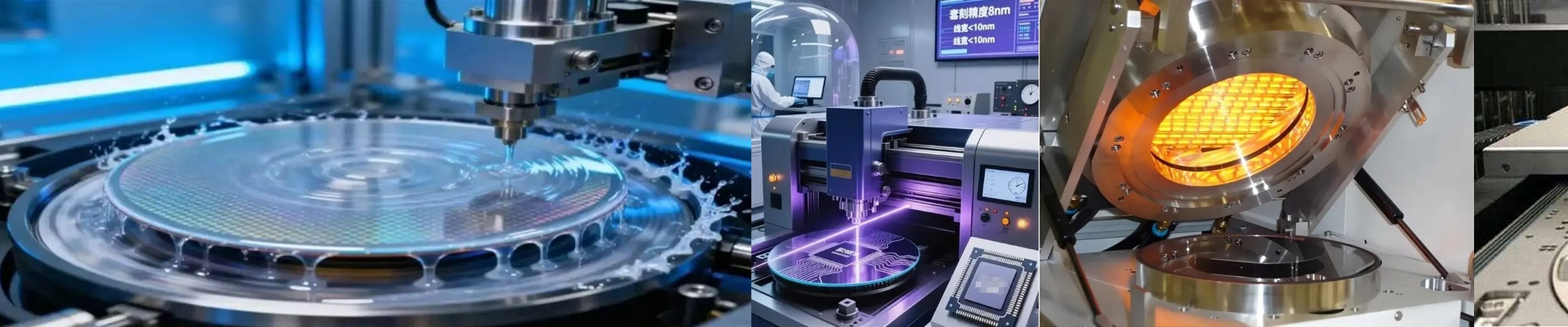
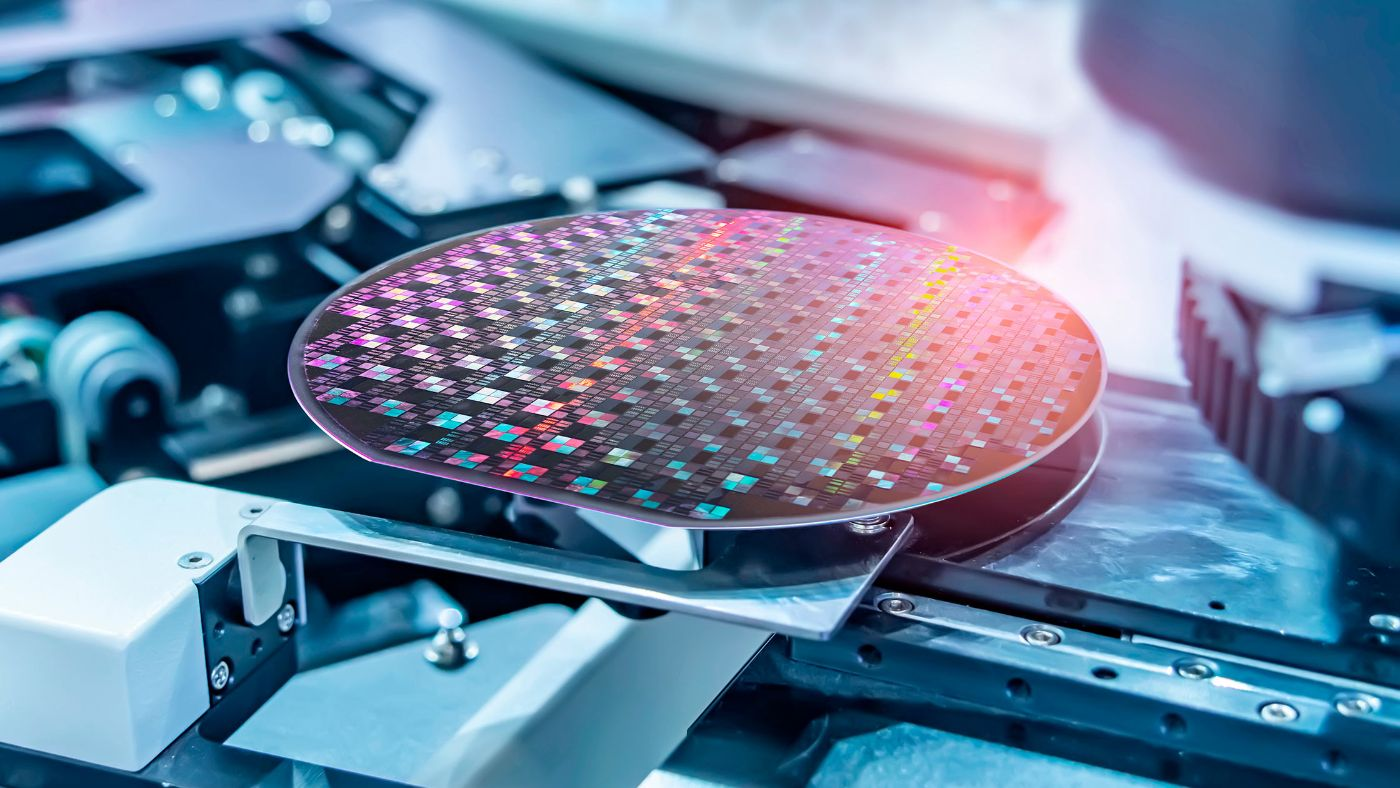
If you’re running a Class 100 environment, you already know the deal: one tiny flake of dust or a bit of off-gassing from a heating element isn’t just a nuisance. It’s a disaster. It ruins wafers. It kills your yield. Most standard heating lamps just aren’t built for this. They shed materials. They leak chemicals. We decided to fix that by using high-purity synthetic quartz.
Why the quartz matters
Here is the thing about fused silica. When you use the high-purity stuff, you don’t get that “outgassing” you see with cheaper glass. Even when you crank the heat, the quartz stays chemically inert. It doesn’t shed. It doesn’t flake. We also polish the surface to a mirror finish, which means there are no tiny pits or rough spots for dust to grab onto. It stays clean because there’s nowhere for the dirt to hide.
Power and Heat
We designed these lamps for high-watt density. By packing the power into a tight quartz envelope, you get intense shortwave IR radiation. The best part? You can heat the target substrate directly without turning your entire chamber into an oven. But a word of caution: you have to get your power supply exactly right. If you over-drive the filament, you’ll burn it out way too fast. Under-drive it, and your ramp-up times will crawl, which basically kills your throughput. It’s all about that sweet spot.
The Real-World Stuff
We use standardized connectors because a loose fit is a nightmare. A loose connection can cause an arc, and that creates metallic fumes. In a cleanroom, that’s the last thing you want. Now, let’s be honest about the trade-offs. High-purity quartz is brittle. It handles the heat shock beautifully, but if you drop it or clamp it too tight? It’ll crack instantly. You need to use soft-touch mounts. Period. Also, because these lamps put out so much concentrated heat, make sure your cooling fans are up to the task so your housing doesn’t warp. If you’re upgrading your fab and “zero particles” is the only metric that matters, these just drop right in.