Why municipalities are switching to infrared—and why it makes total sense
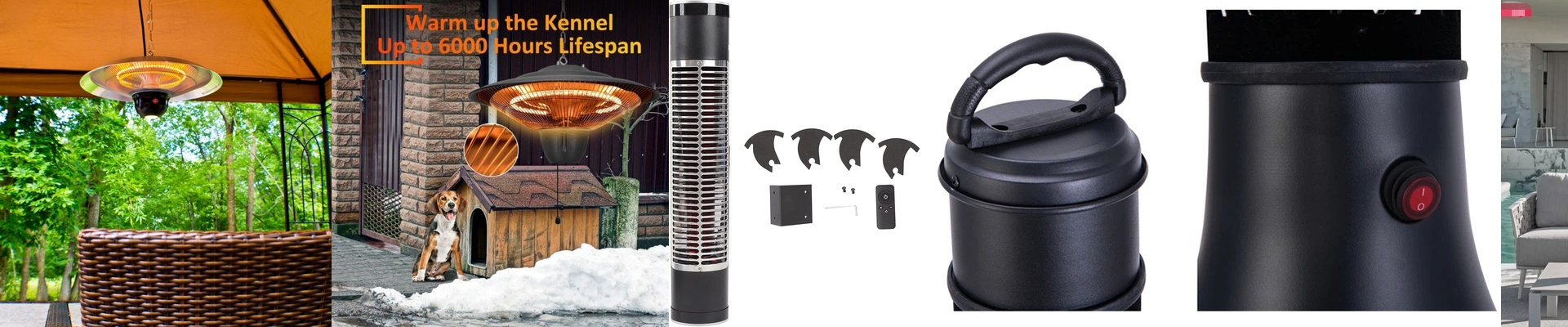
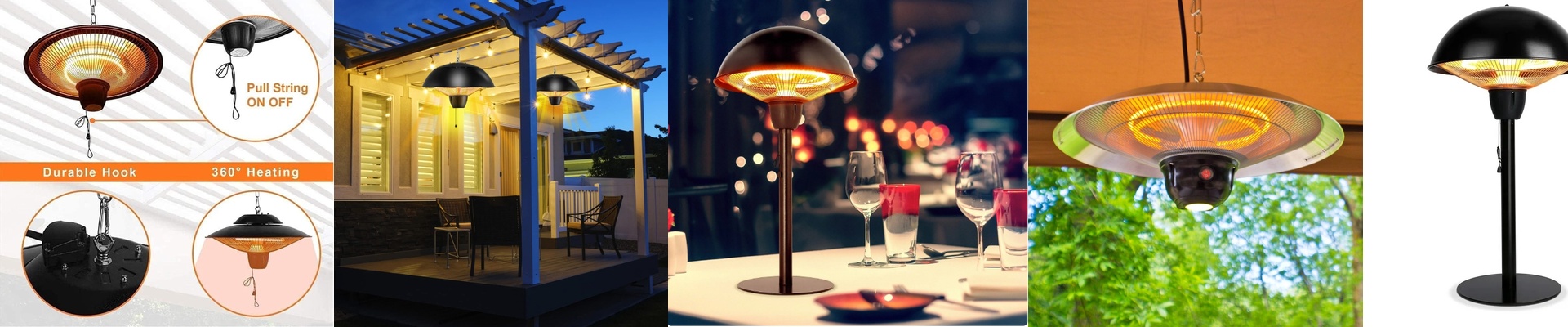
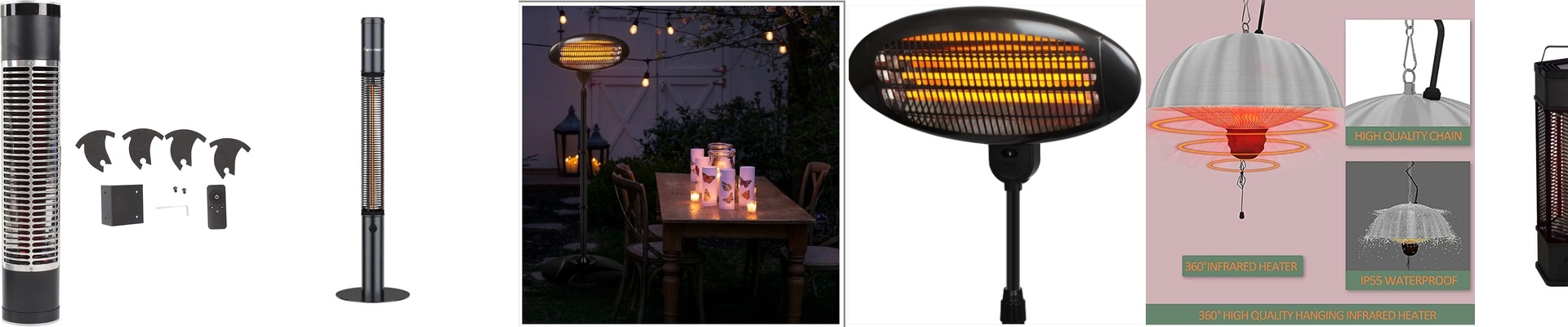
Picture this: a fire station, a city office, a public works bay. The building needs heat that just works. No fuss. No waiting. And honestly, as little maintenance as possible. That’s exactly why infrared has become the go-to for municipal heating. It warms people and surfaces directly, instead of wasting energy heating the air. So you’re not paying to warm empty space. When you’re running a whole network of public buildings, it’s the kind of logic that hits close to home: use less energy, spend less money.
The power, voltage, and space story—kept simple
We size these units to match what buildings actually need. The high-wattage infrared elements deliver strong, focused heat, so you can warm the spots people occupy without firing up the entire building’s HVAC. Voltage is picked to line up with municipal electrical systems, so installation doesn’t force you into expensive panel upgrades. And the footprint is tight. That means you can put heat where it matters—entryways, restrooms, service bays—without rearranging the whole layout.
Built to last: quartz, halogen, and a connector that actually stays put
Inside, you’ve got a quartz tube with a halogen fill. That combination keeps the filament temperature steady, handles sudden temperature swings, and holds up to constant on/off cycles without losing its punch. The coating is tuned to focus the emission where it delivers warmth. And the connector choice is practical, not fancy: an R7s base gives you a secure, industry-standard fit, so the lamp locks in quickly and stays put.
What it looks like on the ground—and how it feels
In practice, you get faster installs, fewer service calls, and energy use you can plan around. You can zone the heat, so you only run it where it’s needed. And you skip the standby losses that come with circulating hot water or ducted systems. A heads-up: the heat density is high, so you do need proper clearances and ventilation. But when you plan the layout right, the specs turn into something very real—lower annual heating budgets, year after year.