Stop the Glass Shower: Keeping Your Wafers Clean When Lamps Fail
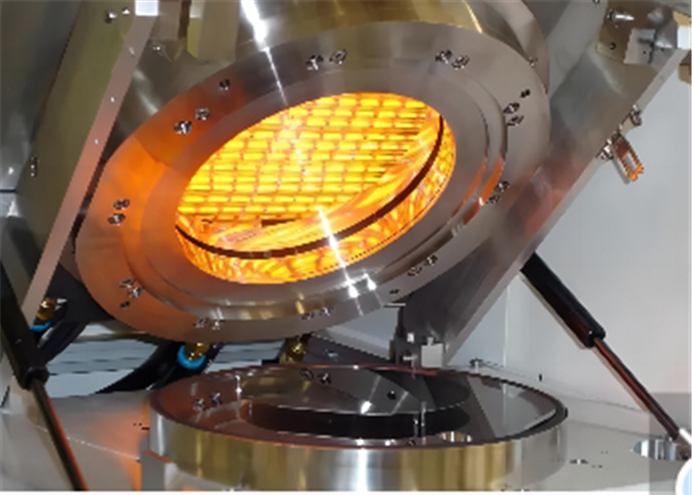
In a high-load semiconductor setup, a burst infrared lamp is basically a nightmare. When a quartz tube goes, it doesn’t just quit heating. It explodes. You end up with glass shards and chemical gunk raining down all over your wafer surfaces. Your yield doesn’t just dip—it dies. We’ve spent a lot of time figuring out how to kill that risk before it ever starts. Why tubes actually snap Most lamps pop because the heat isn’t spread evenly. When you’re pushing high wattage, the middle of the tube gets scorching while the ends stay relatively cool. That tension is what causes the break. To fix this, we use high-purity synthetic quartz. It doesn’t expand or contract nearly as much as the cheap stuff. This means the tube can take a beating during rapid power cycles without developing those tiny, invisible micro-cracks that eventually lead to a disaster. It’s built to handle the pressure. The “Safety Net” approach But let’s be real: parts fail. So, we don’t just trust the quartz to hold up. We added a second layer of defense—a protective sleeve that acts like a sacrificial shield around the heating element. If the inner lamp does burst, the shield catches all the debris. The mess stays inside the sleeve, and your wafers stay pristine. And then there are the end-caps. If a seal is weak, gas leaks out, the halogen cycle breaks, and your filament burns out way too soon. We vacuum-test every single seal to make sure the internal atmosphere stays locked in for thousands of hours. The honest trade-off Now, there is a catch. Putting a shield between the heat source and the wafer means you lose a tiny bit of direct infrared transmission. You’ll notice it. You might need to bump up your power settings or give the wafers a bit more soak time to hit your target temperature. It’s a small tweak to your process. But compared to the cost of tossing an entire contaminated batch? It’s a no-brainer.