Stop Heating Your Walls
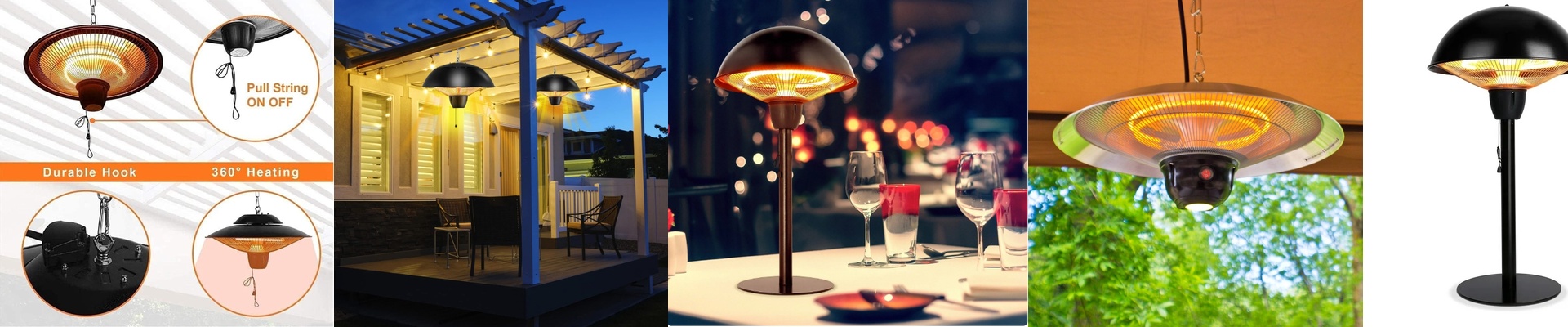
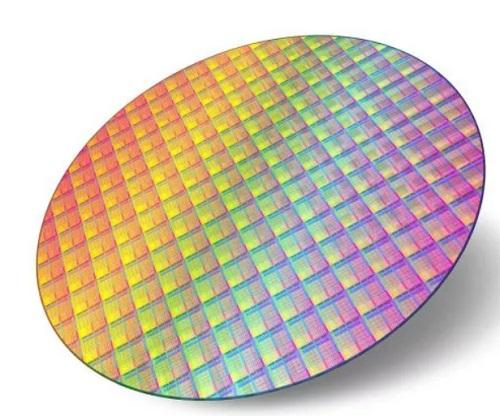
Most heating elements are kind of messy. They just throw heat in every direction—360 degrees of energy. In a semiconductor fab, that’s a huge problem. When your heat isn’t pointed in a specific direction, a massive amount of energy misses the wafer entirely and slams right into the inner walls of your equipment. You end up with “hot walls,” which is basically just throwing money away on electricity while creating a genuine burn hazard for whoever has to do maintenance.
How we actually fix this
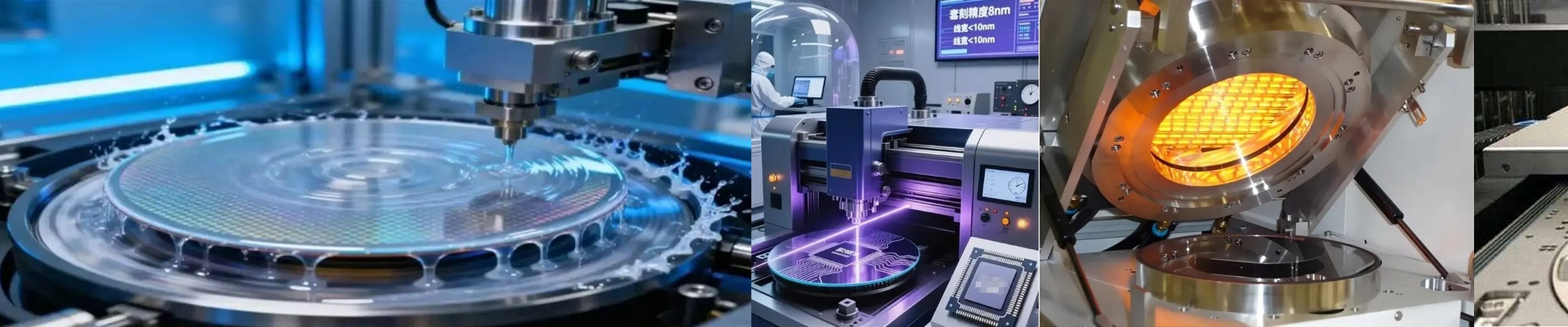
We use directional infrared (IR) lamps. Instead of just a bare quartz tube, we add reflectors and special coatings that force the heat to go exactly where it’s supposed to. It concentrates the IR flux right on the target. By tightening that angle, the equipment chassis stops acting like a giant sponge for waste heat. The result? A much tighter thermal footprint. Your workpiece hits the temperature ramp-rate it needs, but the inner walls stay cool enough that you aren’t terrified to touch them.
The real-world trade-offs
Getting these onto a fab line is pretty easy, but you can’t just plug them in and forget about it. You’ve got to get your power supply right. High-wattage IR lamps pull a lot of current. If you’re going for rapid thermal processing, make sure your electrical panels can take the surge without tripping every five minutes. And here’s the catch: because you’re concentrating all that heat on the target, the workpiece feels a lot more stress. You’ll need to spend some time calibrating your PID controllers so you don’t overshoot your target temperature. Also, don’t skimp on the cooling fans for the lamp housing. If they aren’t up to the task, the lamp will just soak in its own heat and burn out way too soon.
Why it matters on the floor
When you get rid of those internal hot spots, everything moves faster. You don’t have to spend nearly as much time waiting around for the chamber to cool down during lockout-tagout. Operators can get in there and get the job done. You save time, you keep your people safer, and you stop paying to heat steel walls that don’t need to be hot.