
Introduction
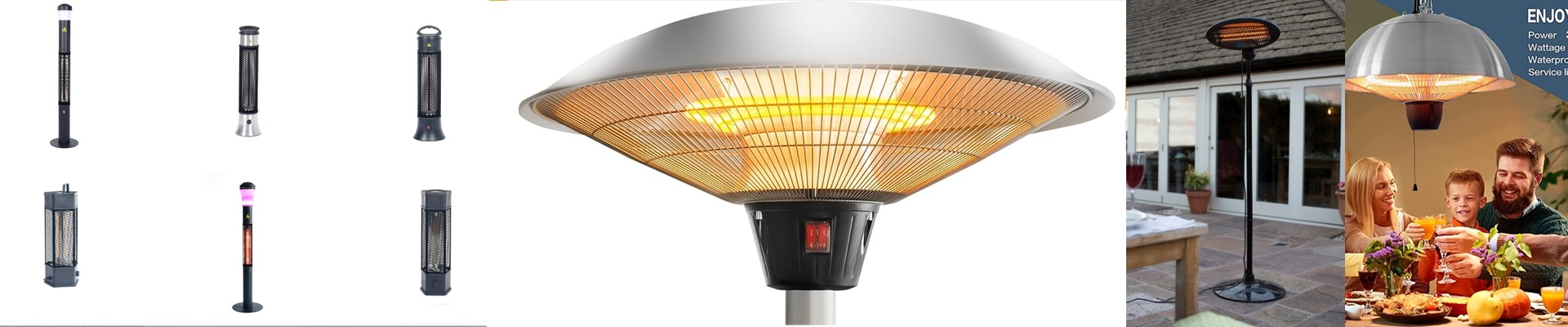
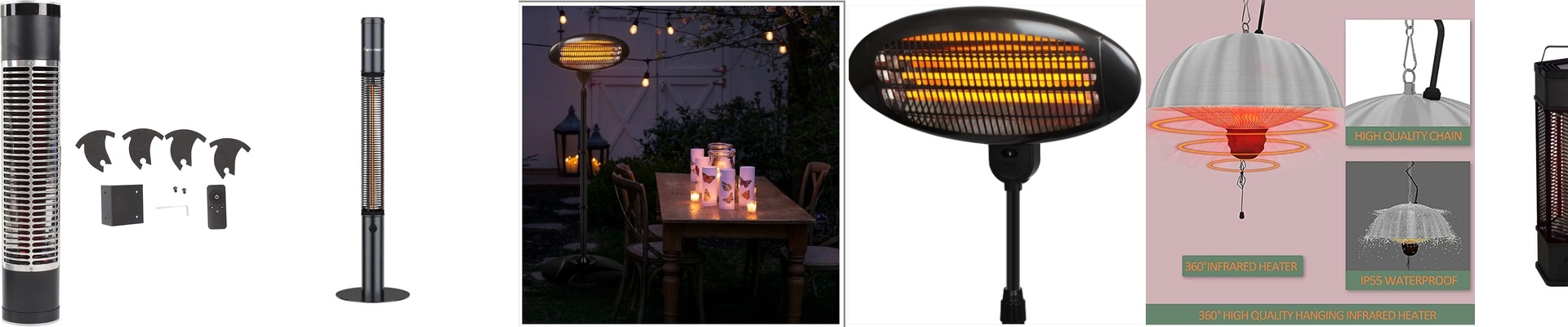
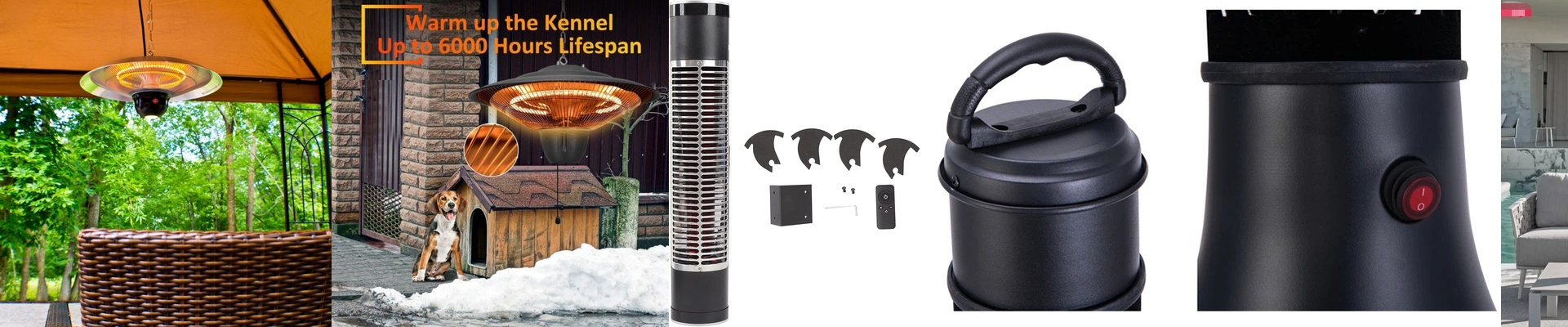
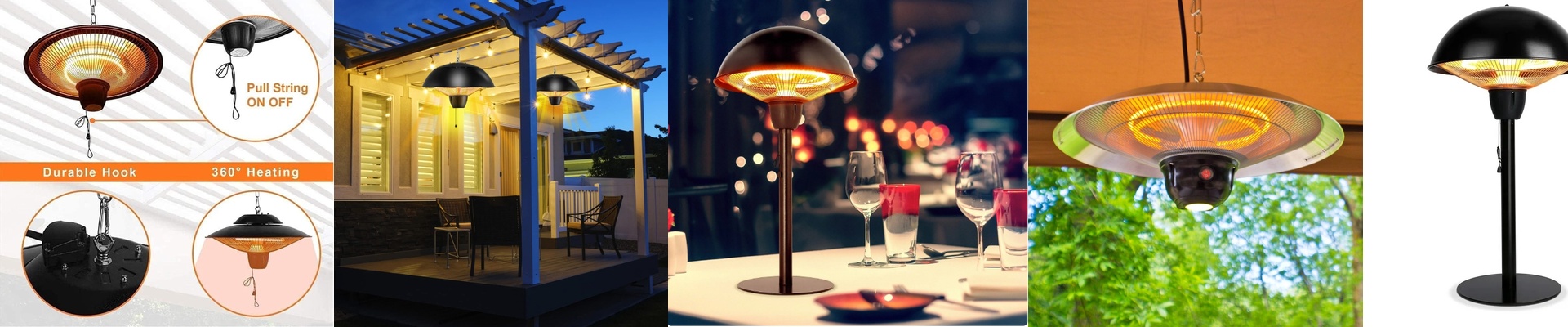
We built the Pyramid patio heater for people who want heat, pure and simple. No fuss, no fluff—just a direct blast of warmth that actually gets the job done. It’s a shortwave infrared halogen heater, and it’s designed to throw focused heat right where you need it, whether that’s an open patio or a semi-enclosed workshop. The whole idea is to match the wattage to the space—how it’s oriented, how well it’s insulated—so you get the power you need without overdoing it.
Power, Voltage, and Size: The Practical Stuff
Here’s the best part: it runs on standard electrical specs. So, it plugs right into what you already have without a major overhaul. Wattage is what gives you the heat density, and voltage is what determines how it’s wired. For the Pyramid, you can choose from 1500W to 2500W, with 230V or 400V options to match your panel and how you’re distributing the load. The tube length matters, too, because it affects both the physical size and how the heat spreads. A 300mm tube is compact, so it fits into tight spots. A 600mm tube spreads the warmth over a wider area, which is perfect if you’re mounting it higher up or need to cover a bigger zone.
The Design That Gets It Right
We chose a halogen-filled quartz tube because it allows the filament to run hot. That’s what gives you that shortwave infrared output. And that kind of heat is special. It cuts right through the air and warms people and objects directly, instead of wasting energy just heating the air around you. The tube also has a reflective coating that pushes the heat downward and outward. This means more of the warmth goes where you want it, and less is lost up into the sky. The connector is an R7s. It’s a reliable industrial bi-pin design that gives you a solid connection and makes replacement easy. It’s a simple drop-in fit for most R7s sockets, so you can swap out a burnt-out tube in minutes instead of fiddling with rewiring the whole thing.
Built for the Real World
This heater is built to handle what you throw at it. Wind, weather, the whole nine yards—it’s made for patios, workshops, and loading docks. When you’re figuring out the wattage, just match it to the space. Go higher for poorly insulated areas or spots that face north. A moderate wattage is fine for well-insulated, sun-drenched spaces. Now, there’s one thing to keep in mind. Because the heat is so intense, the fixture itself runs hot. That means the materials around it need to be able to handle the temperature, and you need to give it some clearance where you mount it. Just plan for proper airflow and a little heat shielding, and you’ll keep the surrounding structure safe from the heat.