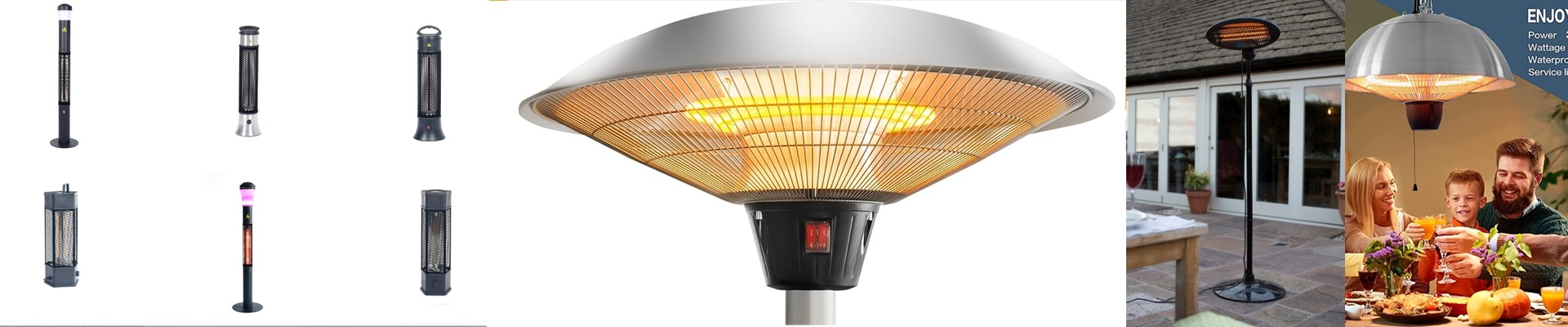

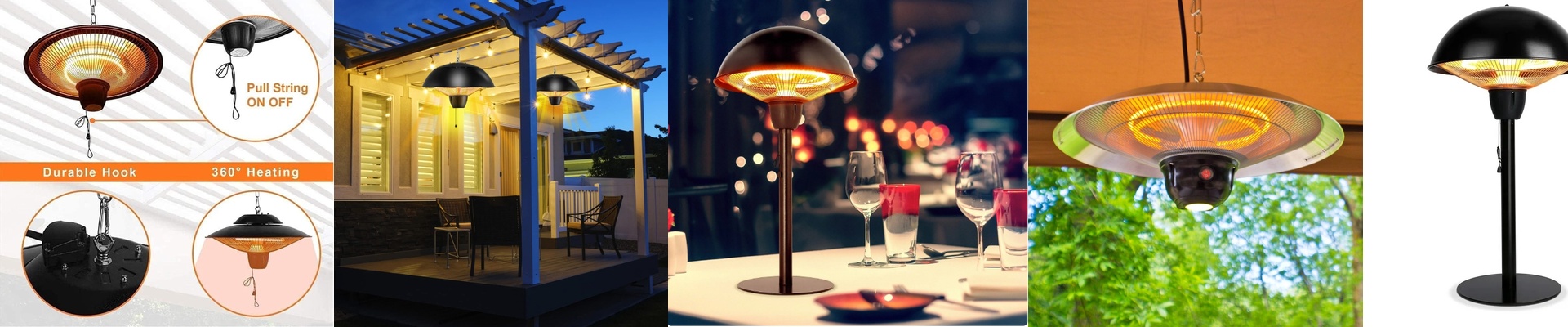
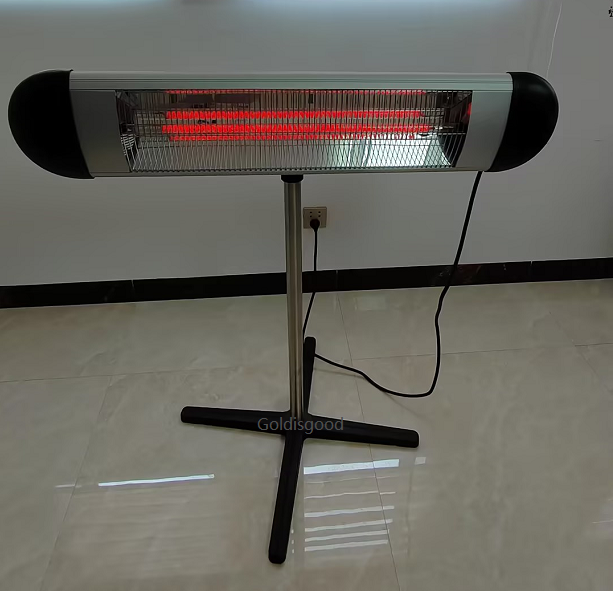
Night shouldn’t shut down the patio. The real headache is uneven warmth—hot when you’re dead center, cold for everyone else, and the blankets start circulating. We built the 2026 electric heater around a practical goal: radiant heat you can control, so comfort follows the people, not the unit.
What’s actually under the hood
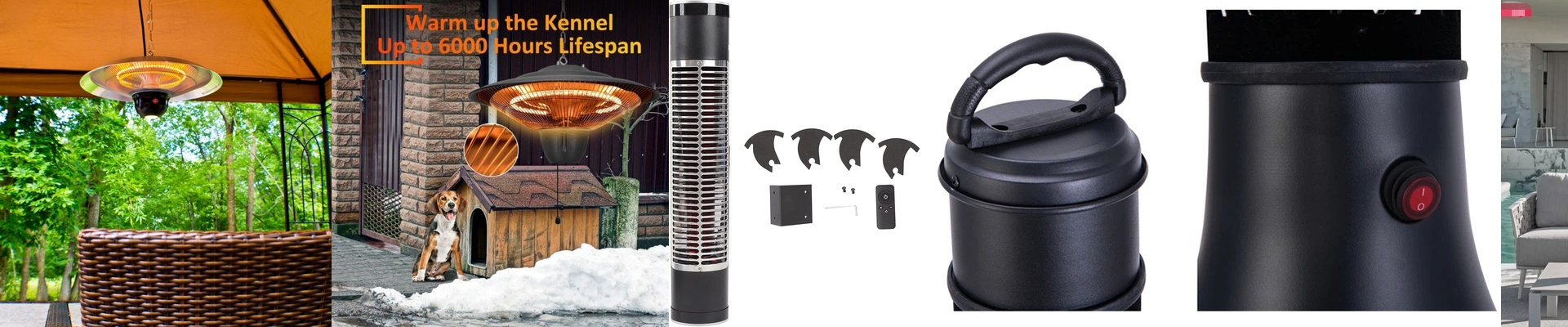
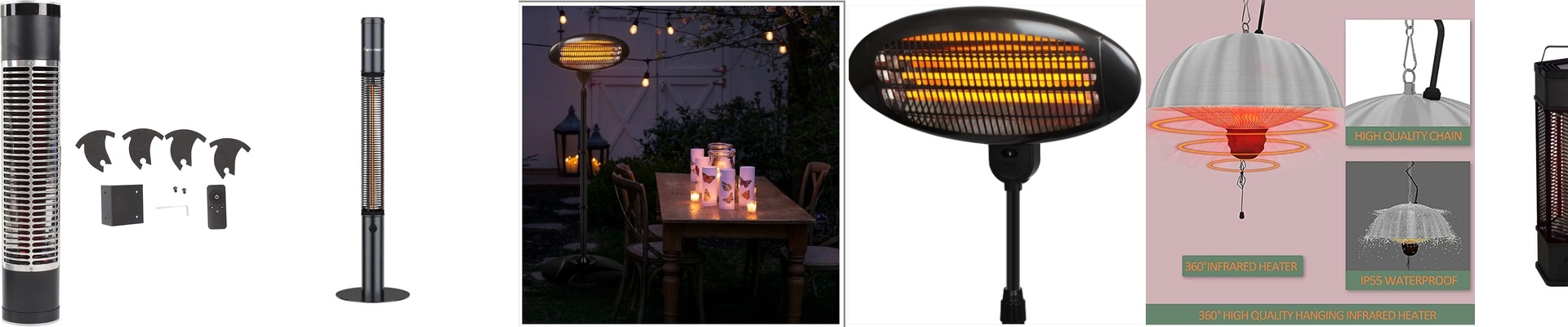
We run a high-output infrared element inside a compact, weather-resistant housing, so it delivers focused radiant heat instead of trying to warm the air. You feel the warmth where you are, right away—no waiting around for a fan to push heat around. A built-in thermostat keeps output steady, and the adjustable tilt head lets you aim the beam exactly where you need it. The unit is rated for outdoor use with an IP rating for protection against dust and splash, and it runs quietly—no roaring fans, no exposed hot coils.
Why this approach fits real outdoor life
On the patio, deck, or even a sunroom, comfort is about more than a number on a thermometer. It’s about warmth that stays even across the seating area, not just in one hot spot. With infrared, people feel the comfort within seconds, and the heat profile holds up better across the group. That translates to fewer interruptions, fewer blankets being passed around, and more time enjoying the evening. Energy use stays focused, so you’re not paying to heat empty air, and the build is meant to take season after season of outdoor duty.
What to keep in mind when you set it up
Because radiant heat warms objects and people directly, placement matters. It feels most natural when the heater sits at a comfortable distance and is aimed at the seating zone. For best results, position it 6–8 feet from occupants and angle it slightly downward. It needs a standard outlet, and it draws enough current to be the only major heat load on that circuit. In very windy spots, the beam can get disrupted, so a sheltered mounting location or a wind-shielded enclosure helps keep comfort consistent.