
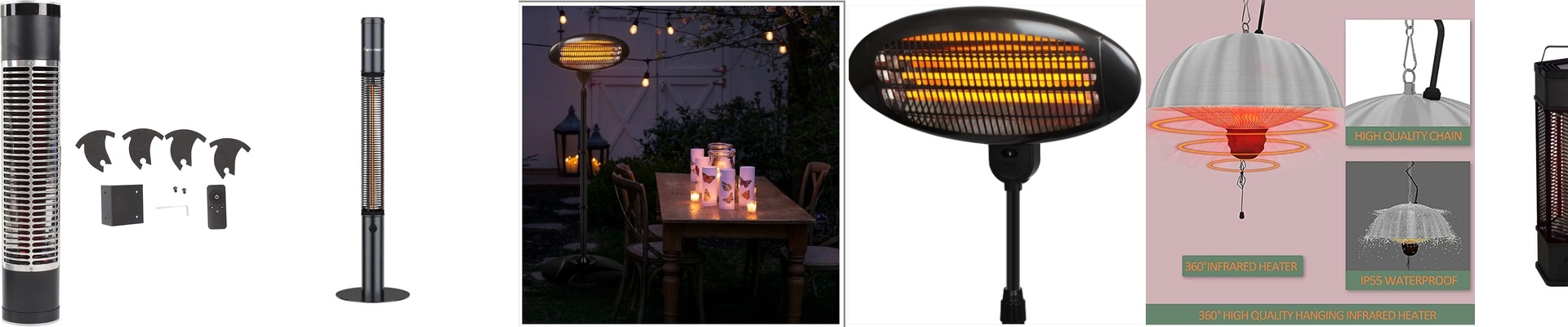


Why we’re swapping out old bathroom heat lamps for IP55 Infrared
Let’s be honest: there’s nothing worse than stepping out of a hot shower into a bathroom that feels like a walk-in freezer. Most of us have used those old halogen “light heaters.” They work for a bit, but they have a nasty habit of dying right when you need them. Why? Because bathrooms are basically steam rooms. All that moisture creeps into the heater, shorts out the electronics, and—pop—your fuse is gone and your heater is a paperweight. That’s why we’ve moved toward IP55-rated infrared heaters.
The “Water-Proof” Secret
You might see “IP55” on the box and think it’s just technical jargon. But in plain English? It means the thing is actually sealed. We use gaskets and sealed cable entries to keep the guts of the heater dry. While a standard heater lets steam seep in and rot the filaments from the inside out, an IP55 unit shrugs off splashes and heavy steam. It just keeps working.
Instant Heat (No Waiting Around)
Here is the cool part about the physics. Old-school heaters try to warm up the air. The problem is that bathroom air escapes or cools down the second you open the door. It’s a losing battle. Infrared is different. It doesn’t care about the air. It sends out waves of heat that hit you and the surfaces around you directly. The second you flip the switch, you feel it. It’s that immediate, cozy warmth that makes you actually want to stay in the bathroom a little longer. Because we use short-wave emitters, we can pack a lot of heat into a small unit. You don’t need some giant, ugly machine hanging from your ceiling to stay warm.
A Few Things to Keep in Mind
Now, you can’t just plug these into any old outlet. These units pull a decent amount of power to get that “instant” heat effect. If you try to piggyback them onto your lighting circuit, you’re probably going to trip your breaker. You’ll want a dedicated circuit to keep things safe and steady. And a pro tip on where you put them:Height matters. Short-wave IR is intense. If you mount it too low, it’ll feel like you’re standing under a heat lamp at a buffet—way too hot. Too high, and you lose that direct warmth. We usually suggest a specific balance of height and wattage so the heat hits you perfectly without baking your ceiling.