

Stop Letting the Cold Kill Your Patio Profits
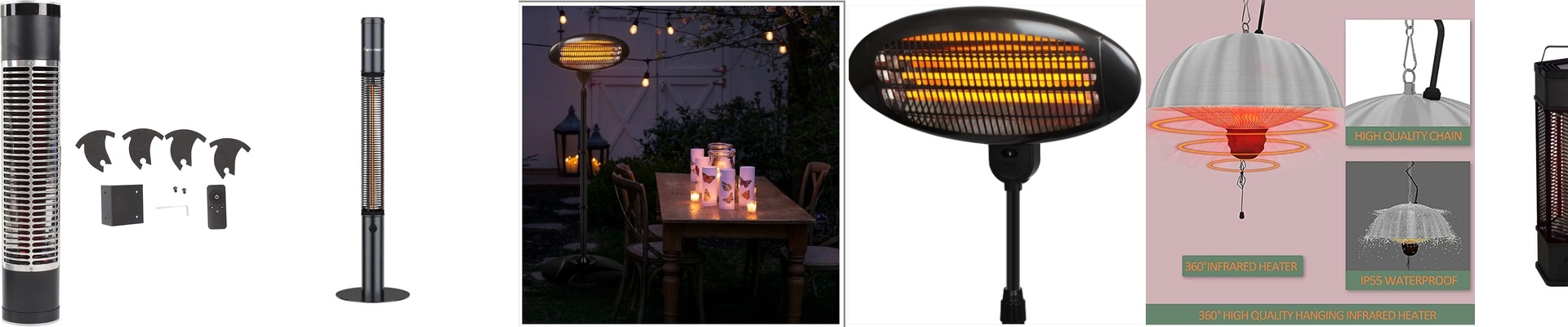
Most restaurant owners just give up on their outdoor seating once the temperature drops. It makes sense—nobody wants to shiver through a meal. But leaving those tables empty is basically leaving money on the sidewalk. The trick is using infrared heaters. Instead of trying to fight the wind by heating the air (which is a losing battle), these things target the people and the furniture. It’s like stepping into a patch of sunlight on a crisp day. You stay warm, your guests stay happy, and your tables keep turning. How it actually works Traditional heaters blow hot air around. The problem? The wind just carries it away. Infrared is different. It sends out waves that don’t even notice the air—they only turn into heat when they hit something solid. So, when those waves hit a customer’s coat or a wooden table, they feel the warmth instantly. Plus, we build these to be waterproof. You can leave them up through rain and snow without worrying about them frying. No more hauling equipment inside every time the clouds roll in. A few things to watch out for Before you go all-in, let’s talk power. These units pack a punch to make sure they can handle the outdoors, which means they pull a lot of electricity. Check your breaker box first. If you plug in a row of 2000W heaters without the right electrical setup, you’re going to blow a fuse right in the middle of the dinner rush. Not a great look. As for where to put them, aim for about 2.5 to 3 meters high. If you go too high, the heat disappears before it reaches the guest. Too low? You’ll end up baking the person sitting directly underneath it. The “Cold Spot” Problem Here is the honest truth: infrared creates a “zone.” It’s amazing while you’re in the beam, but if a guest shifts their chair two feet to the left, they’ll feel the chill again. It can be a bit jarring. The fix is simple, though it costs a bit more: overlap your heaters. By crisscrossing the heat patterns, you get a consistent blanket of warmth across the whole patio. It takes a bit more wiring and a few more units, but it’s the only way to make sure nobody is shivering.