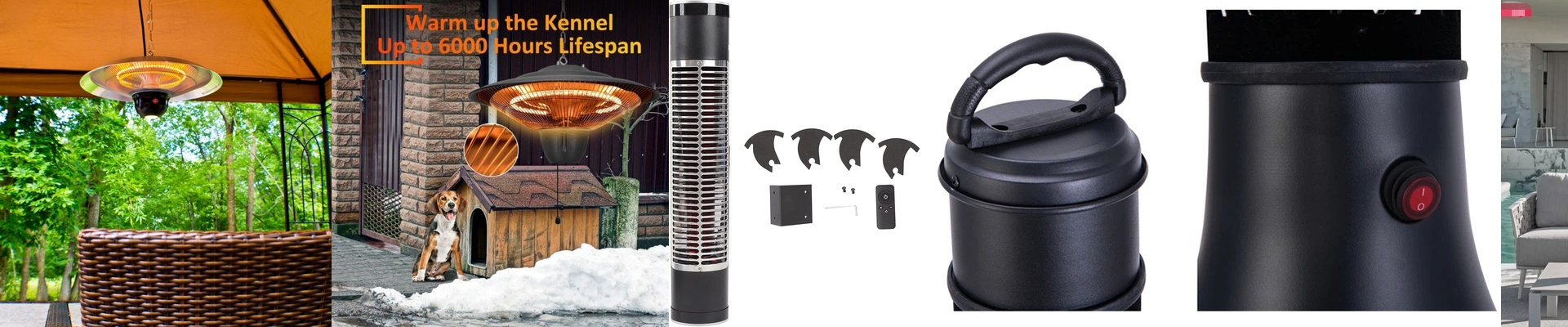
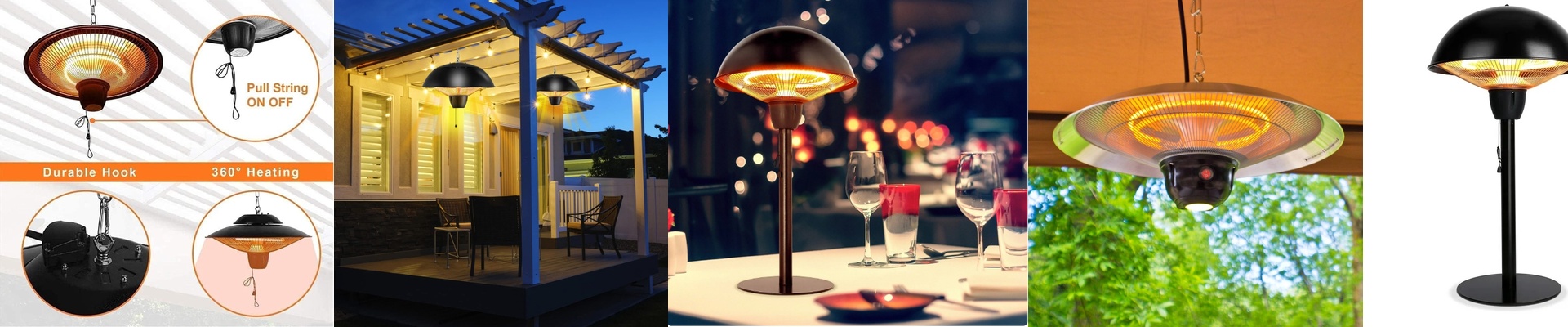
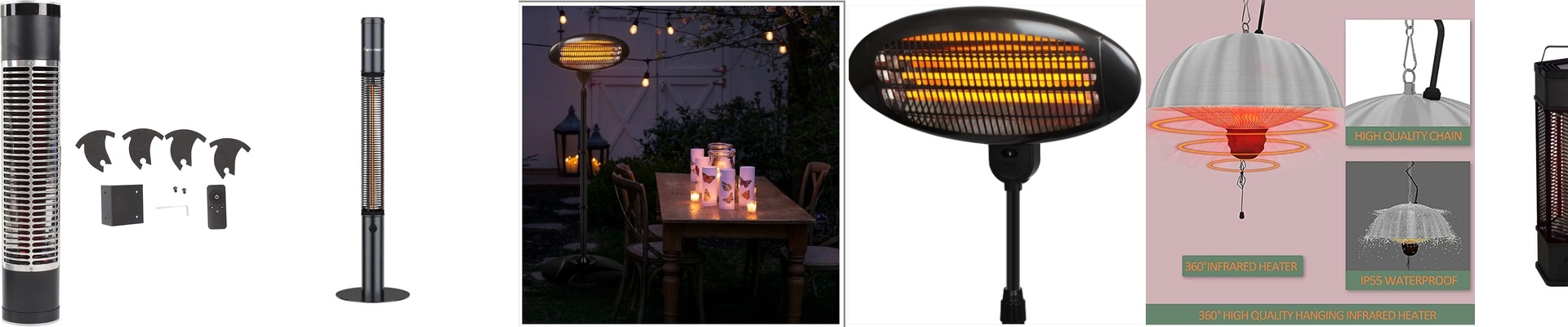
High-Output Infrared for High-Ceiling Factories
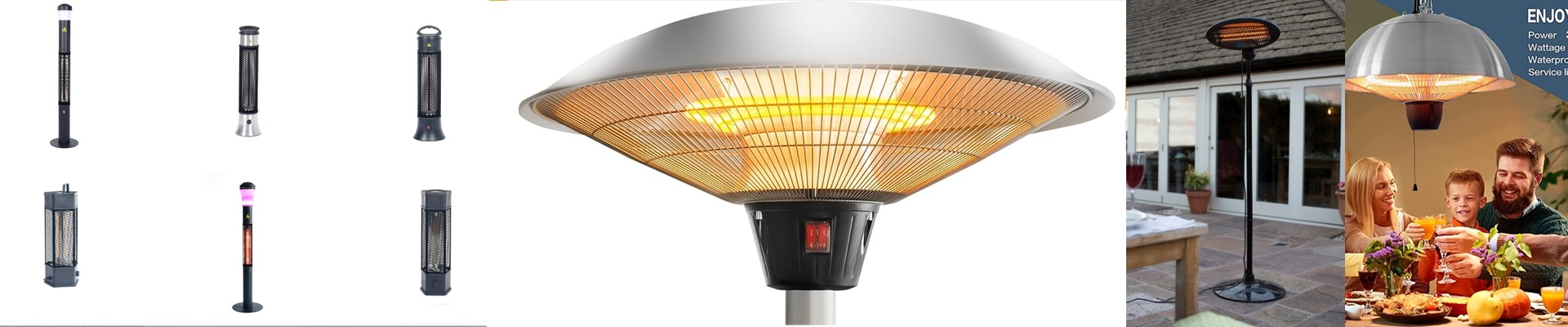
We built this radiator for one simple reason: to get heat where it actually matters in a tall factory. You know the problem—hot air rises, and your floor stays cold. This isn’t a convection heater. It’s infrared. So the heat travels straight out, line-of-sight, and lands on the people and equipment below. The moment it hits, you feel it. Warmth, right where you need it. And that means you’re not wasting hours—and energy—trying to heat a giant volume of air. It just works.
Power, Voltage, and Coverage
Tall spaces need serious heat density. So we set these up to run on industrial voltage, right on your existing 400V three-phase lines. No extra transformers. No messy installation. The tube length is designed to match the throw and spread you need across a wide bay. It’s long enough to cover a big footprint, but still compact enough to fit standard mounting hardware. Because each unit packs high wattage, you end up needing fewer fixtures. Fewer parts to fail. Fewer control channels to manage. Just keep one thing in mind: high power density means you’ll want a properly rated circuit and a ventilation plan that can handle the added heat.
Material, Design, and the Right Connector
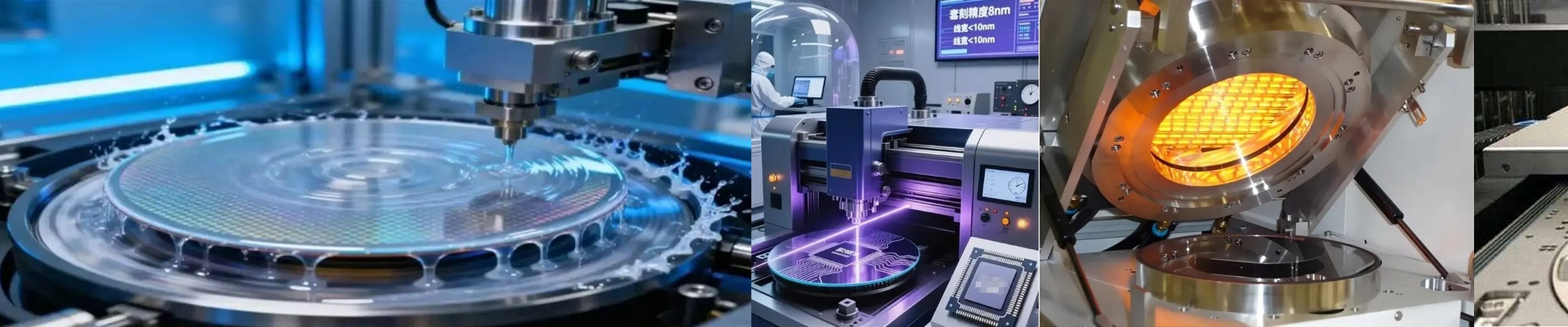
The core is a halogen-filled quartz tube. It handles rapid temperature swings without cracking, which is exactly what you need in a tough industrial environment. The coating on the tube keeps the energy focused in the infrared band—so you’re not wasting power on visible light. For installation, we use an R7s connector. It’s practical, field-proven, and makes replacement quick when a tube finally burns out. Wire it once, and you’re set.
Smart Integration That Actually Makes Sense
Here’s the part that matters: these heaters play nicely with building automation and IoT controls. That means you can fire them up with a single button—remotely. Turn them on when the shift starts. Turn them off when the line stops. No standby losses. No guesswork. Just immediate heat on demand, with control over comfort and cost. For engineers, it’s straightforward: targeted infrared heat, managed by a smart system, without ripping apart your factory’s infrastructure.